
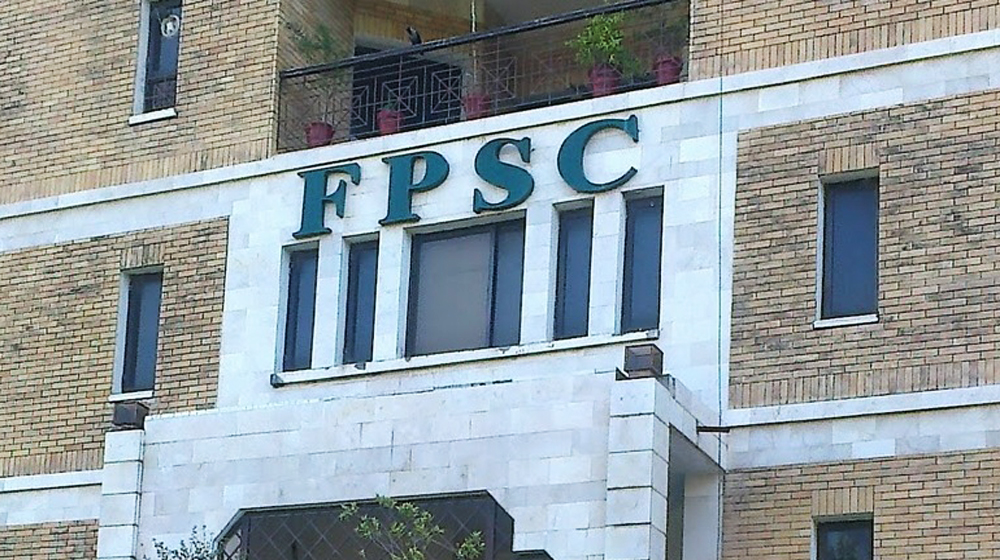
A robust recruitment architecture is the baseline of national efficiency, yet the recent FPSC exam mismanagement reveals a critical disconnect in administrative synchronization. On May 9, 2026, dozens of applicants arrived at designated venues, such as Ali Abbas Shaheed Model College in Islamabad, only to find staff completely uninformed about the scheduled General Recruitment Test Phase-I. This administrative friction creates a significant barrier to meritocratic progress and systemic reliability.
The Structural Breakdown in Islamabad
Candidates gathered early at the G-6/2 sector venue, expecting to initiate their professional journey. Consequently, they encountered locked gates and confused college personnel who claimed they received no notification regarding the exam. Although the Federal Public Service Commission (FPSC) officially listed the college as a testing site, the lack of ground-level coordination left high-potential applicants in a state of uncertainty.
The situation escalated as videos of frustrated candidates surfaced online. Furthermore, reports suggest this was not an isolated incident. Similar instances of FPSC exam mismanagement occurred across multiple cities, suggesting a calibrated failure in the commission’s internal communication protocols.
The Translation: Systemic Friction Explained
In technical terms, this incident represents a “logic break” between central planning and local execution. The FPSC had recently rescheduled the tests from an April-May window to a new May 9-May 20 timeframe. While the public notice was issued, the operational data apparently failed to integrate with the administrative systems of the specific testing venues. Essentially, the “command” was issued, but the “node” (the test center) never received the packet of instructions.
The Socio-Economic Impact: The Human Cost
How does this affect the daily life of a Pakistani citizen? For the individual candidate, this mismanagement translates into significant financial and psychological strain. Many applicants travel from rural areas to urban hubs like Islamabad, incurring costs for transport and lodging. When the system fails to deliver the promised service, it depletes the limited resources of households and erodes public trust in state-led meritocracy. For the nation, every hour lost to administrative confusion is an hour stolen from our collective productivity.
The Forward Path: A Stabilization Move Required
From a strategic perspective, this development represents a “Stabilization Move” that has failed. The rescheduling was likely intended to optimize the testing process, but the execution lacked precision. To regain momentum, the FPSC must implement a digital-first notification system that requires “read-receipt” verification from every venue head 48 hours before an exam. Precision is not optional when managing the future of the nation’s workforce.
- Structural Audit: Immediate review of communication logs between FPSC and venue administrators.
- Candidate Compensation: Transparent rescheduling with guaranteed priority for those stranded.
- Digital Baseline: Implementation of a real-time portal for venue staff to verify schedules.








