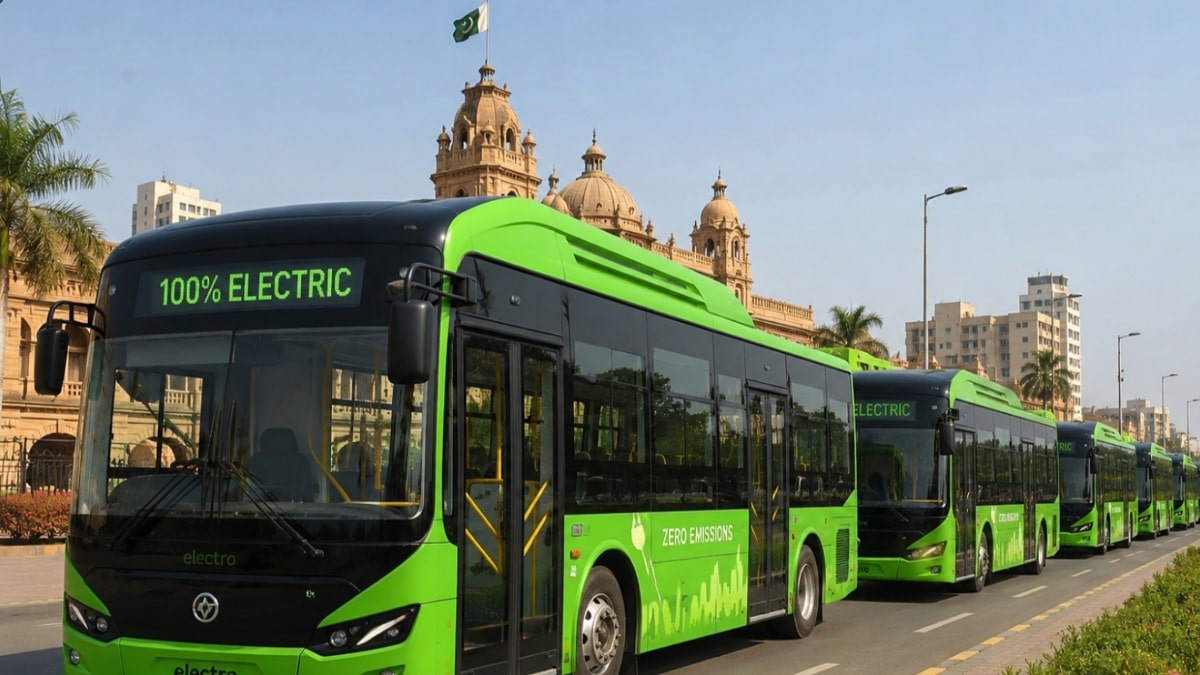
Punjab’s recent move to restore Punjab transport fares across its major transit networks signals a calibrated transition from temporary subsidies to fiscal stabilization. Effective Saturday, June 13, 2026, the Punjab government will conclude the free travel initiative that previously allowed citizens to navigate urban centers without cost. This decision impacts high-capacity systems, including the Orange Line Metro Train, Lahore Metrobus, Speedo Bus, and Green Electric Bus.
The Translation: Fiscal Recalibration
While the subsidy acted as a catalyst for immediate financial relief during regional fuel volatility, the state is now reverting to its baseline economic model. Officials originally designed this framework to mitigate the impact of rising fuel costs linked to Iranian geopolitical tensions. Consequently, the temporary suspension of fare collection served its strategic purpose. The system now returns to a self-sustaining revenue structure to ensure the longevity of these urban arteries.
The Socio-Economic Impact: Precision Data
For the 800,000 daily passengers, this change represents a significant shift in monthly household expenditure. Data indicates that 290,000 daily commuters utilize the Orange Line Train, while over 100,000 rely on the Metro Bus. These students and professionals must now reintegrate Punjab transport fares into their financial planning. However, the government continues to provide precision support in other sectors, such as the Rs 100 per liter diesel subsidy for farmers and fuel relief for registered motorcyclists.
The Forward Path: A Momentum Shift
This development constitutes a Momentum Shift toward fiscal realism. While subsidies provide short-term stability, long-term infrastructure health requires a balanced revenue stream. The government’s ability to pivot from blanket relief to targeted sectoral support—like the agricultural diesel subsidy—demonstrates a more structural approach to economic management. Consequently, future efficiency will depend on maintaining this balance between citizen welfare and system sustainability. We view this as a necessary stabilization move for the province’s transport architecture.