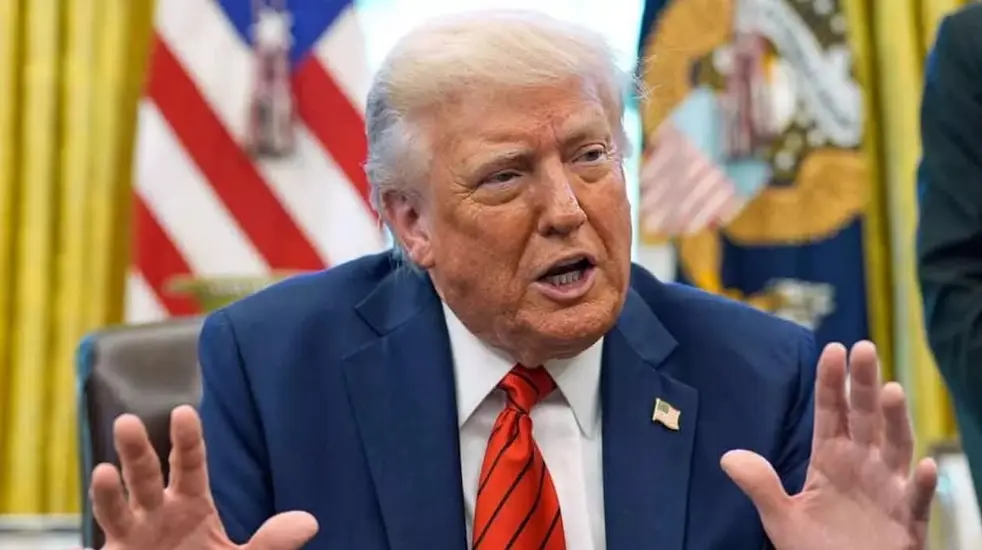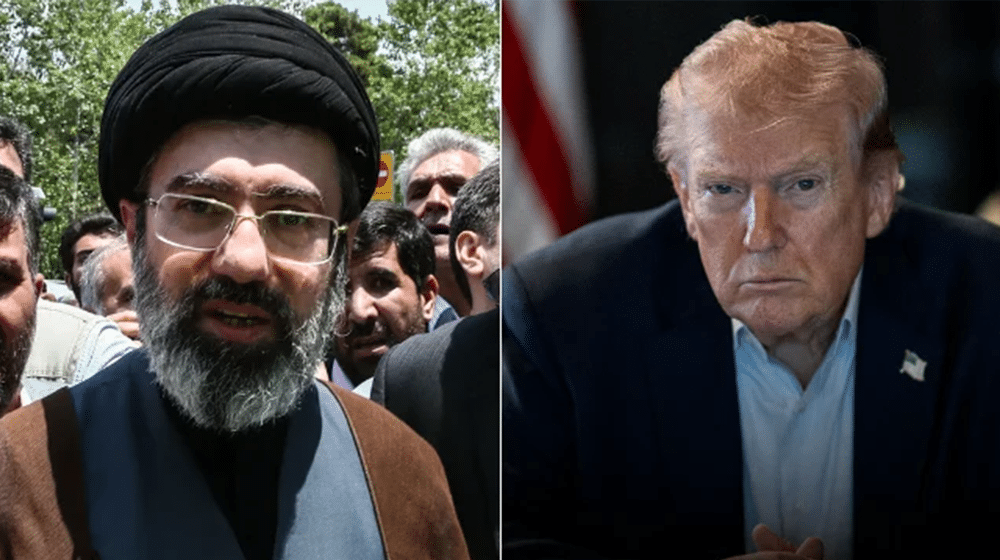
Iran’s Supreme Leader Ayatullah Mojtaba Khamenei recently signaled a systemic shift in Gulf regional security by warning that United States military installations are no longer safe. This strategic baseline follows President Donald Trump’s latest violation of ceasefire terms, which has forced a recalibration of Middle Eastern diplomacy. Consequently, the Iranian leadership has declared that regional states will no longer serve as a logistical shield for American forces.
The Strategic Recalibration of Regional Hubs
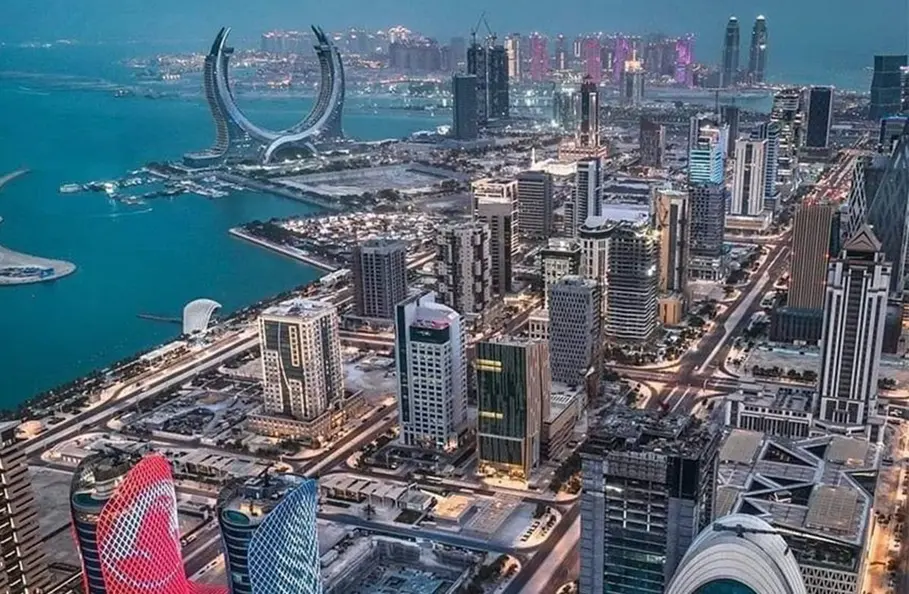
In a precise message shared across digital platforms, Khamenei emphasized that conditions in the Middle East have reached a point of no return. He stated that the era of providing a safe operating space for US installations is over. Furthermore, regional states will no longer accept any level of cover or logistical protection for these military assets. This development acts as a catalyst for a broader structural change in how Gulf nations manage foreign military presence.

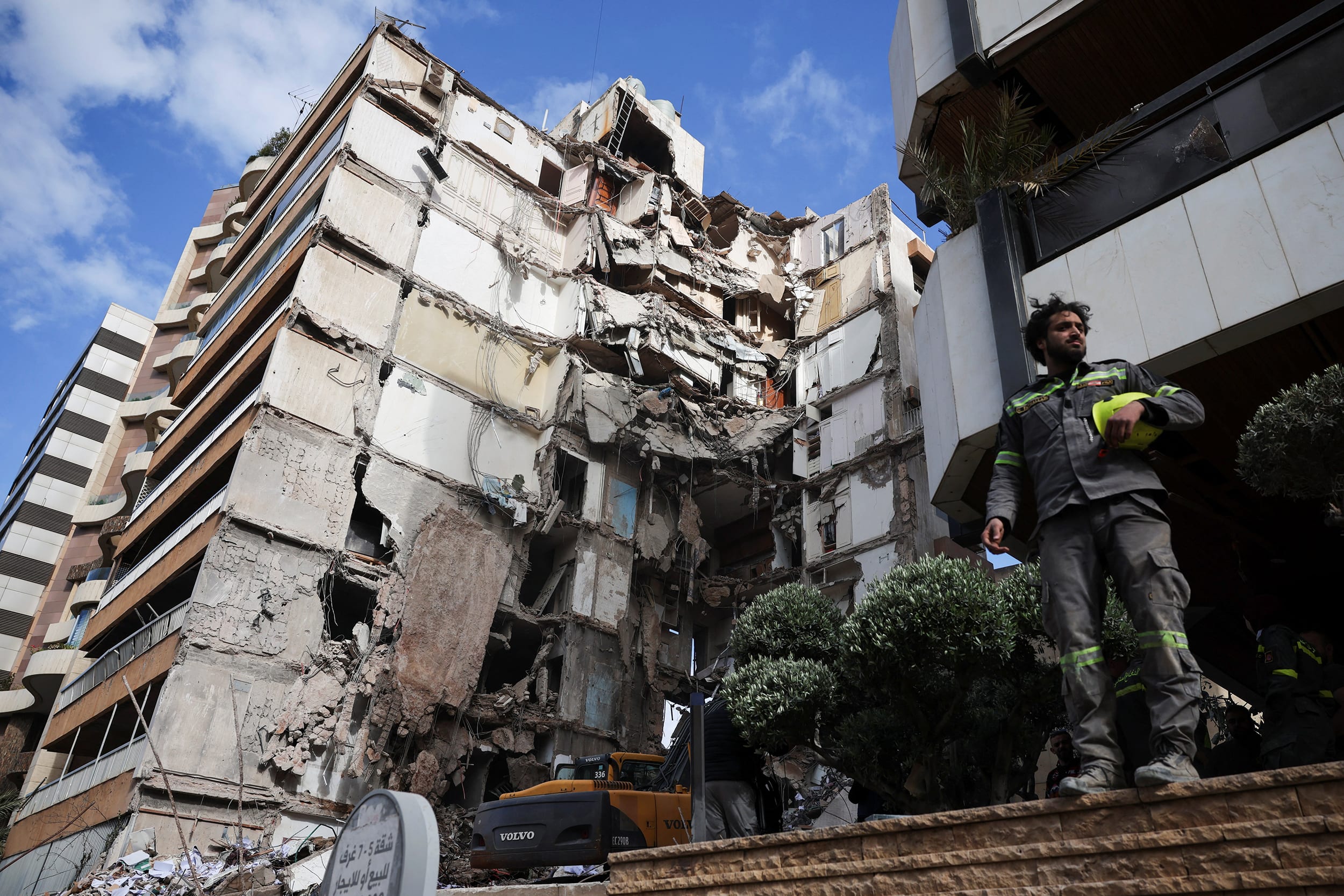
The Supreme Leader’s comments come immediately after the United States bombed the southern region of Iran, violating its own established ceasefire. This aggressive move triggered a rapid response from Mojtaba Khamenei, who recently assumed leadership after his father was martyred. Although he has yet to make frequent public appearances, his disciplined focus on a wartime economy suggests a more rigid foreign policy stance.
The Translation: Breaking Down the Regional Shield
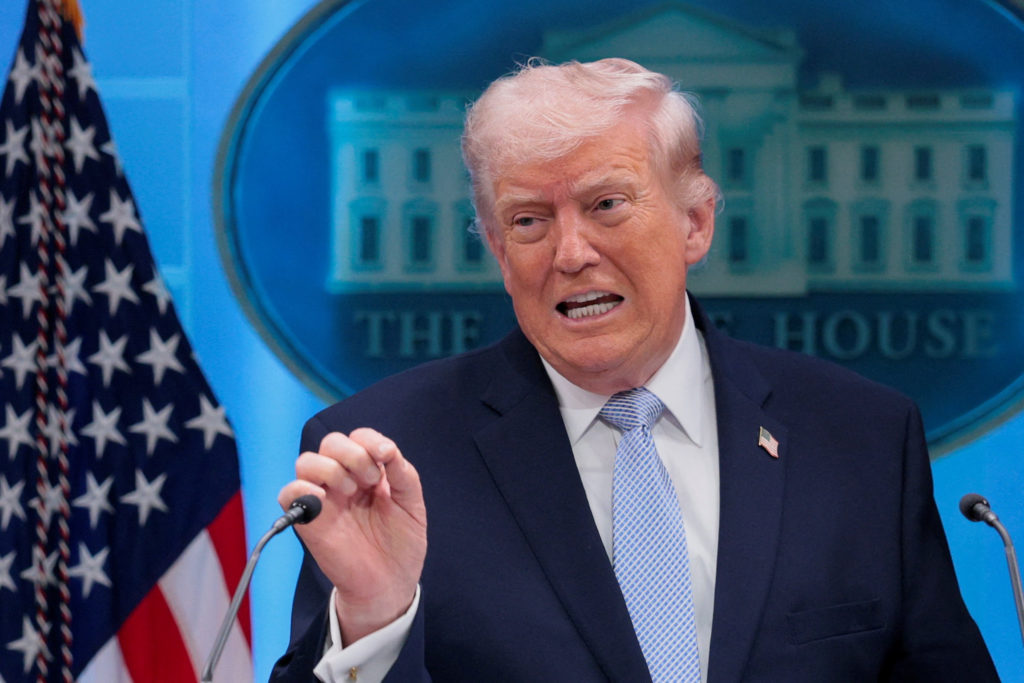
In “Next Gen” terms, the Iranian leadership is dismantling the informal agreement that allowed US bases to operate without regional interference. By stating that neighbors will no longer act as a “shield,” Iran is pressuring Gulf allies to choose between American security cooperation and regional peace. This is not just rhetoric; it is a calculated attempt to isolate US military assets from their local support systems, effectively increasing the risk profile for every American soldier in the region.
The Socio-Economic Impact: What This Means for You
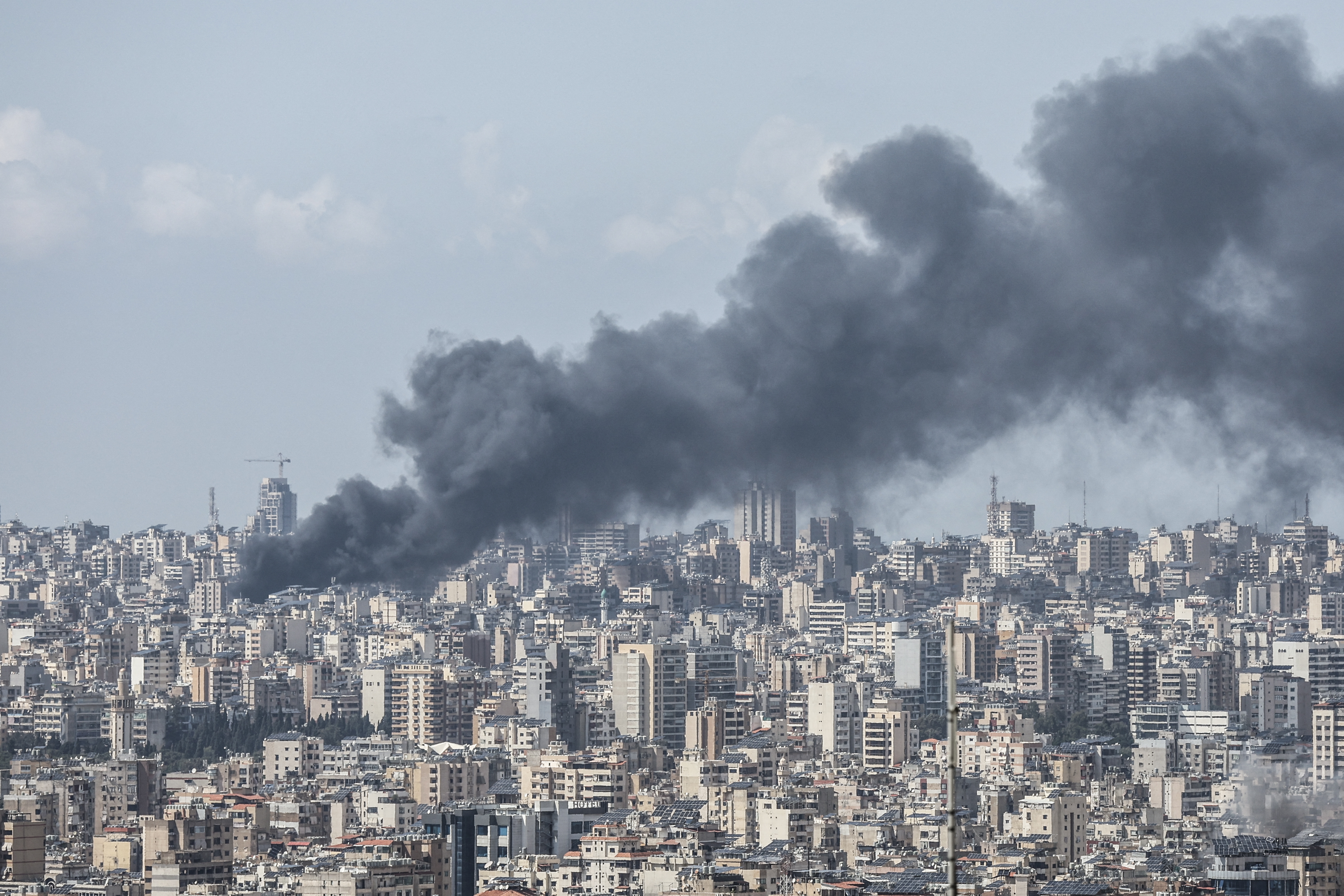
For the average Pakistani citizen, these developments in Gulf regional security often translate to economic volatility. Escalation in the Gulf typically impacts global oil prices and supply chain stability. We must consider these specific effects:
- Energy Precision: Potential spikes in fuel costs as shipping lanes in the Gulf become high-risk zones.
- Remittance Stability: Over 4 million Pakistanis working in the Gulf could face increased professional uncertainty if regional conflict escalates.
- Market Sentiment: Strategic instability often leads to currency devaluation, impacting the household purchasing power of the middle class.
The Forward Path: A Momentum Shift Toward Escalation
This development represents a significant Momentum Shift toward regional escalation. The move from a reactive posture to a proactive threat against US bases suggests that Iran has stabilized its internal leadership and is now focused on external leverage. We are moving away from a period of maintenance and toward a structural showdown. For Pakistan, the strategic baseline must now involve preparing for a Middle East where the “shield” of neutrality is no longer an option.