
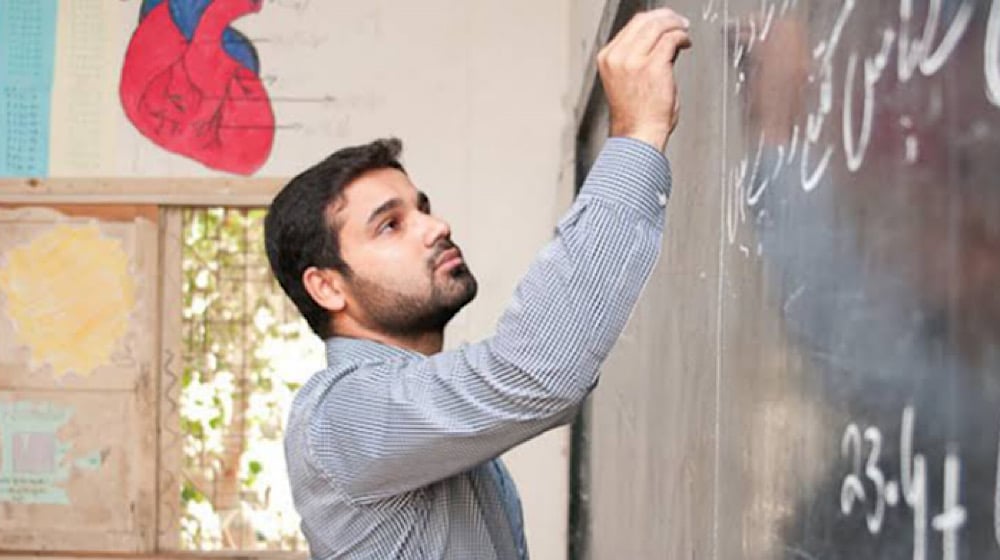
Intellectual capital serves as the structural foundation of a nation’s development. Consequently, the recent stagnation in career pathways for Punjab college teachers represents a significant friction point in our academic infrastructure. For nearly a decade, the Punjab Public Service Commission (PPSC) has failed to advertise direct recruitment quotas for BPS-19 and BPS-20 positions. This administrative delay leaves highly qualified PhD professors trapped in lower grades, stalling the very engine of innovation intended to drive Pakistan forward.
Stagnant Pipelines for Punjab College Teachers
Many lecturers and associate professors invested years into post-doctoral research to improve their pedagogical precision. They expected these credentials to serve as a catalyst for professional advancement. However, the non-implementation of existing service rules has calibrated a system where merit is secondary to bureaucratic inertia. Senior faculty members now face retirement without ever achieving the senior titles their research and teaching expertise earned. This systemic failure discourages younger researchers from pursuing advanced STEM degrees within the country.

The Translation: Breaking Down the Academic Bottleneck
In technical terms, the BPS (Basic Pay Scale) system requires a mix of internal promotions and direct recruitment to maintain a balanced hierarchy. When the PPSC halts direct induction for senior roles (BPS-19/20), it creates a “bottleneck” effect. Essentially, the path to the top is blocked because the government has not opened the recruitment doors for ten years. This isn’t just an HR issue; it is a structural breakdown of the merit-based incentives that govern our higher education institutions.
The Socio-Economic Impact: What This Means for Pakistan
This stagnation directly affects the quality of education for Pakistani students. When PhD professors are demotivated, research output declines and institutional prestige suffers. For the average household, this translates to a less competitive degree for their children in the global market. Furthermore, as senior educators retire without being replaced, the intellectual baseline of public colleges drops, widening the gap between public and private education sectors.
The Forward Path: A Momentum Shift or Stabilization?
This development represents a critical Stabilization Move required to prevent total brain drain. While Punjab Minister Rana Sikandar Hayat emphasizes merit and transparency, these words must be backed by immediate PPSC advertisements. Restoring the promotion quota is a necessary catalyst for academic stability. Without structural reform, Pakistan risks losing its most seasoned intellectual assets to international institutions or early retirement. The government must act now to recalibrate the system for excellence.








