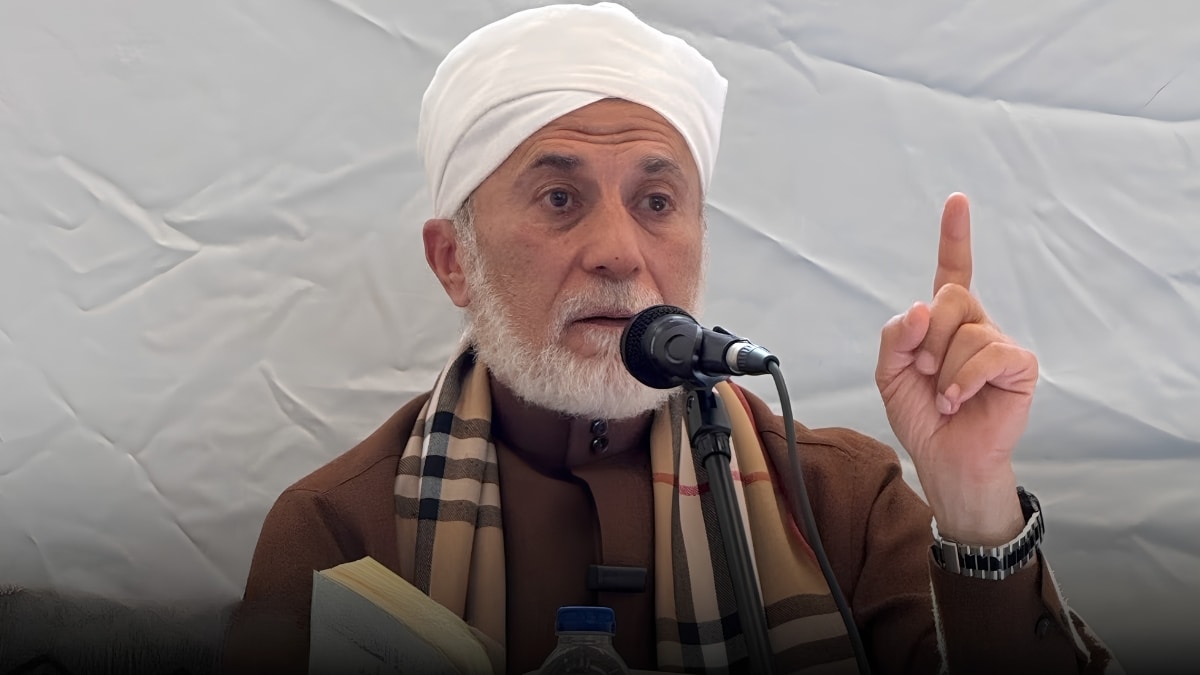
The structural integrity of modern social discourse requires a calibrated approach to public rhetoric. Recently, a significant Islamic scholar backlash emerged in London after Egyptian preacher Yusri Jabar delivered a sermon at Jamia Masjid Hounslow. During this address, Jabar characterized women as “wild animals” that require training to prevent further feral behavior. This incident has triggered intense scrutiny regarding visa vetting processes and the baseline standards for community leadership within the United Kingdom.
The Intersection of Extremist Rhetoric and Public Policy
Despite previous warnings from both Labor and Conservative lawmakers, the UK Home Office permitted Jabar to enter the country. Consequently, critics now question the precision of current border security protocols. Former Counter-Terrorism Command head Peter Clarke highlighted a strategic contradiction in government policy. He argued that allowing such speakers undermines new measures designed to protect vulnerable communities from divisive ideologies. This Islamic scholar backlash serves as a catalyst for a broader debate on how nations must balance free speech with the prevention of structural social decay.
- The Sermon: Delivered at Jamia Masjid Hounslow, comparing women to animals under a specific interpretation of Sharia.
- The Political Response: Shadow Home Secretary Chris Philp condemned the decision, citing the promotion of hatred.
- The Investigation: The UK Charity Commission is currently reviewing the mosque’s hosting history and governance.
Institutional Accountability and Oversight
Structural failures in mosque oversight often lead to the platforming of radicalizing agents. The Charity Commission’s active investigation into Jamia Masjid Hounslow indicates a systemic move toward greater accountability. Furthermore, the Islamic scholar backlash reflects a growing intolerance for rhetoric that devalues human dignity. When leaders utilize precision-based language to dehumanize segments of the population, they disrupt the social equilibrium necessary for national advancement.
The Situation Room Analysis
The Translation (Clear Context)
This incident transcends a mere verbal dispute; it represents a failure in the vetting infrastructure of the UK’s counter-extremism strategy. The technical jargon used by the scholar attempts to mask regressive ideologies under religious authority. In Next Gen terms, this is a “system glitch” where legacy interpretations of social hierarchy collide with modern legal frameworks. We must view this through the lens of intellectual security—protecting the public mind from calibrated misinformation that targets gender equality.
The Socio-Economic Impact
For the average Pakistani citizen, whether at home or in the diaspora, such rhetoric impacts the social capital of the community. When women—who represent 50% of the potential workforce—are described in dehumanizing terms, it creates a psychological barrier to professional participation. This regressive outlook hinders economic mobility and discourages young girls from pursuing STEM or leadership roles. Consequently, the daily life of a household becomes restricted by outdated social engineering rather than being driven by meritocratic progress.
The “Forward Path” (Opinion)
This development represents a Stabilization Move. While the backlash itself shows progress in public consciousness, the entry of the preacher suggests that institutional filters remain porous. For Pakistan and its global community to move forward, we must implement more rigorous intellectual standards for those granted the privilege of the pulpit. Stabilization requires a unified rejection of rhetoric that compromises our digital and social frontiers.