The ICC Corruption Investigation has turned its focus toward Cricket Canada following serious match-fixing allegations during the T20 World Cup. Specifically, investigators are analyzing a high-variance over delivered during the match against New Zealand. This probe highlights systemic vulnerabilities within the sport’s global governance frameworks and requires a calibrated response to maintain integrity.
Analyzing the ICC Corruption Investigation and Match Allegations
According to a Canadian documentary, the Anti-Corruption Unit (ACU) is scrutinizing the fifth over of New Zealand’s chase. Consequently, the performance of Canada captain Dilpreet Bajwa has come under a precision lens. Bajwa, who recently assumed leadership, delivered a no-ball followed by a wide, eventually conceding 15 runs in a critical phase of the game.

Furthermore, the investigation extends beyond on-field actions. A leaked audio recording involving former coach Khurram Chohan suggests that board officials applied structural pressure regarding player selection. These allegations imply a lack of professional autonomy within the national squad’s hierarchy.
Internal Governance and Systemic Instability
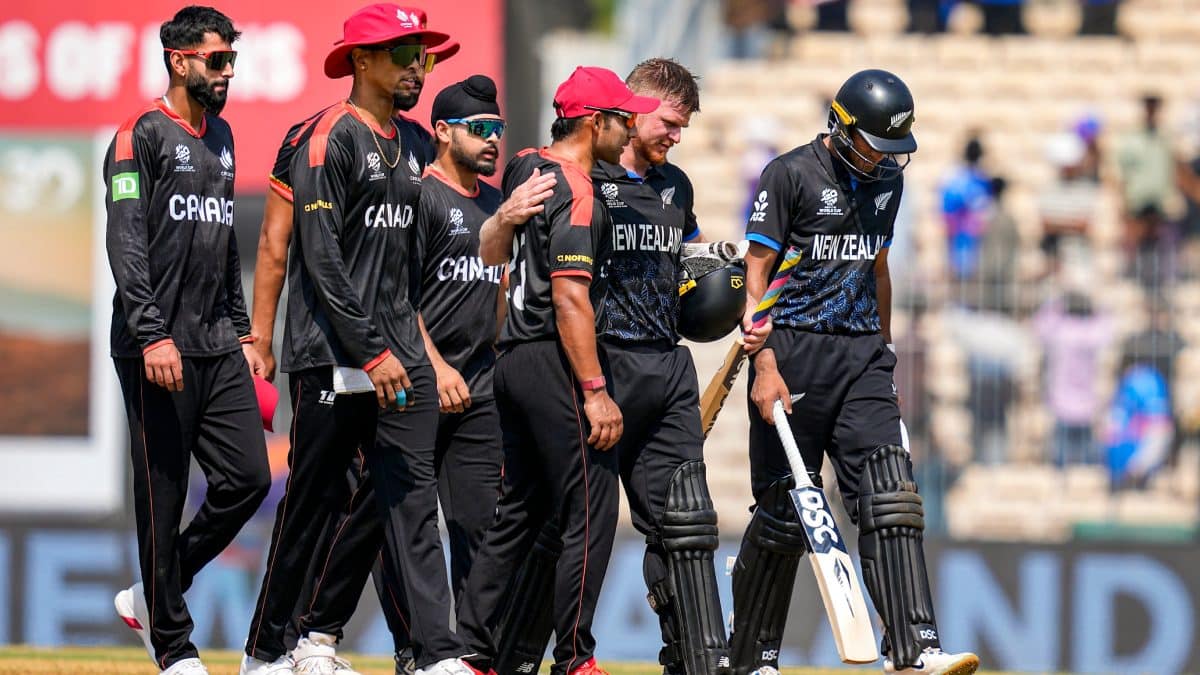
Cricket Canada faces additional scrutiny regarding its baseline operations. In addition to fixing claims, the board has struggled with delayed player payments and controversial leadership transitions. Former coach Pubudu Dassanayake has also initiated legal action for wrongful dismissal, citing outside influence on team strategy. These cumulative factors indicate a catalyst for broader institutional reform.
The Translation
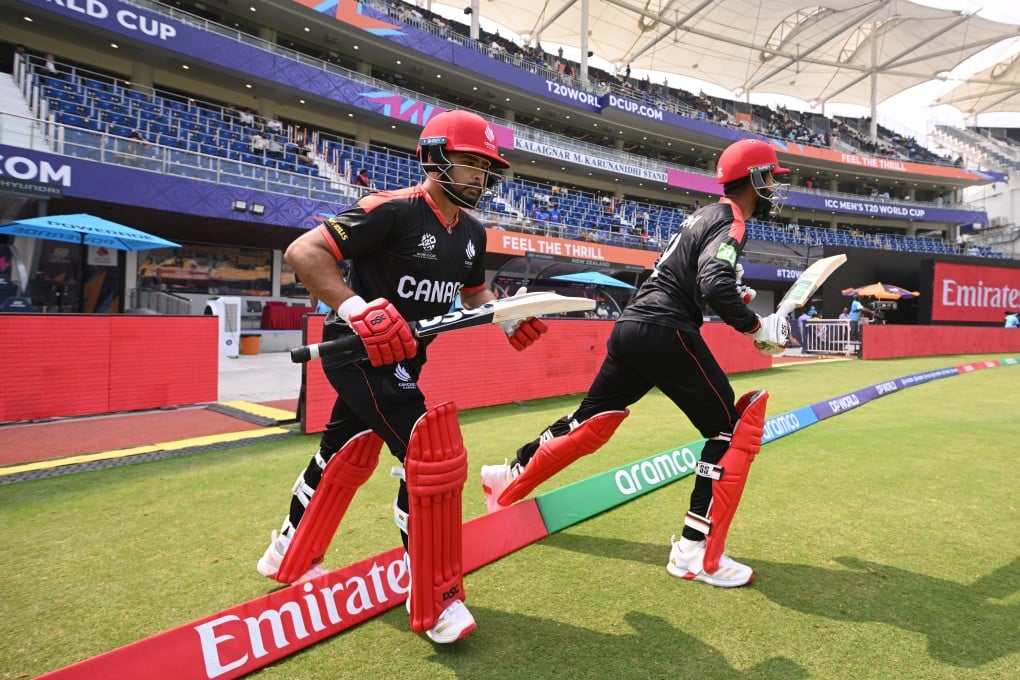
To understand the logic behind the ICC Corruption Investigation, one must view the “Anti-Corruption Unit” (ACU) not as a police force, but as a system debugger. They identify “anomalies”—actions that deviate from statistical norms, like an unusual sequence of extras. When these anomalies align with outside financial influence or internal board pressure, the system flags a breach of integrity.
The Socio-Economic Impact
For the average Pakistani citizen, such scandals in international cricket degrade the value of merit-based competition. When governance fails in a developing cricketing nation like Canada, it threatens the financial ecosystem of the sport globally. Consequently, this reduces sponsorship confidence and limits the resources available for grassroots development, which ultimately impacts young athletes aspiring for professional careers.
The Forward Path
The ICC Corruption Investigation represents a necessary Stabilization Move. While the allegations are damaging, the ICC’s proactive intervention is a calibrated effort to restore the baseline of fair play. However, for Cricket Canada, this is a moment of critical failure that requires a complete structural overhaul of their governance to prevent future systemic decay.