
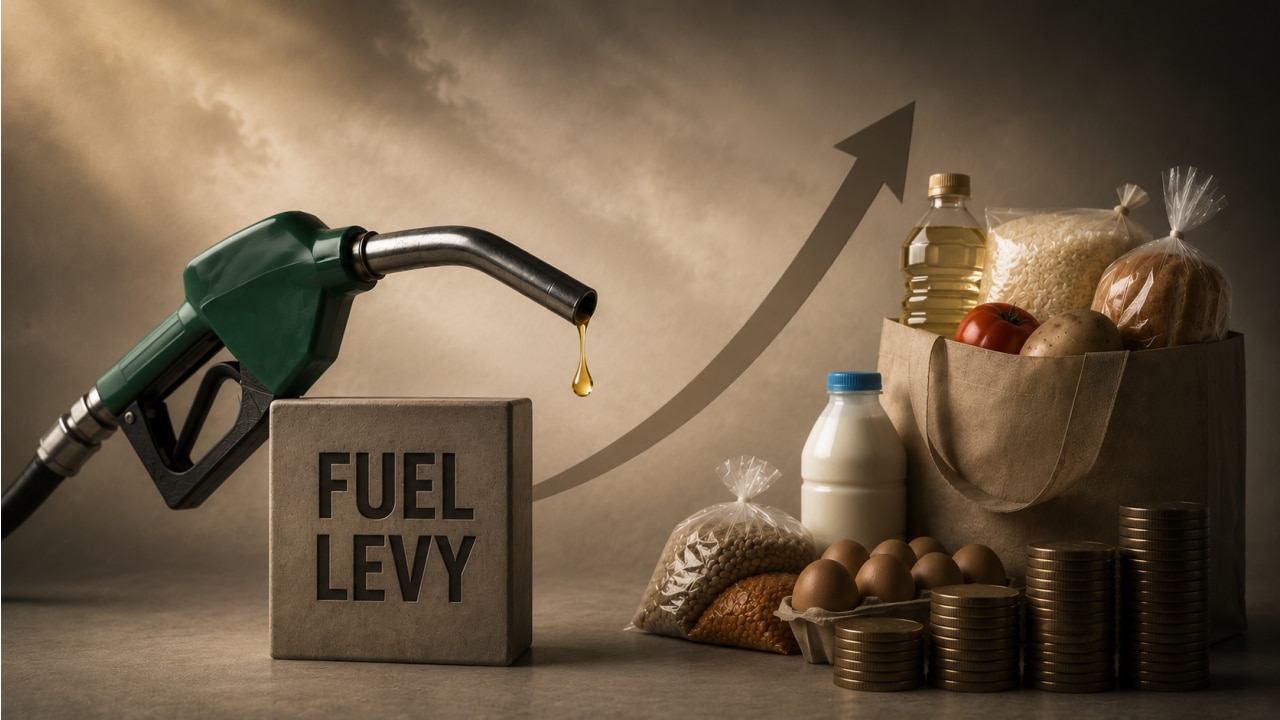
The structural integrity of Pakistan’s economy is currently facing a calibrated challenge as fuel tax inflation emerges as the primary catalyst for rising prices. Recent data indicates that the government’s strategic reliance on the petroleum levy has transitioned from a price stabilization tool into a high-output revenue engine. Consequently, this shift is accelerating costs across the national supply chain, overshadowing traditional consumer demand as the main inflationary driver.
The Revenue Catalyst: Analyzing the Petroleum Levy
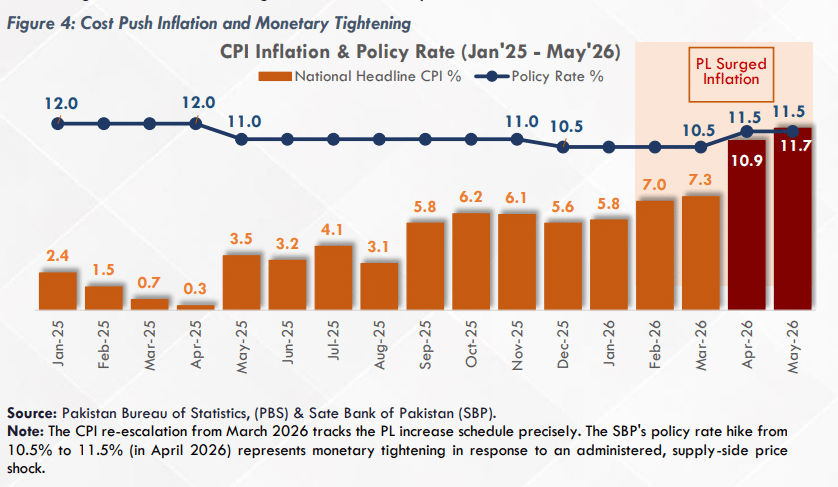
The Policy Research and Advisory Council (PRAC) recently highlighted a precision-based concern regarding the petroleum levy’s evolution. According to their findings, inflation surged from 7.3% in March to 11.7% in May. This timeline aligns perfectly with the levy reaching Rs. 117.4 per litre. Even when global crude prices eased, the internal taxation baseline prevented any reduction in costs for the local consumer.
The Translation
In technical terms, Pakistan is witnessing a “cost-push” inflation cycle. This means prices are not rising because people are spending more money. Instead, prices are rising because the baseline costs of energy and transport—administered by government taxes—have been intentionally increased. Essentially, the “system efficiency” of the economy is being taxed to meet fiscal targets, regardless of international market corrections.
Dissecting the Impact of Fuel Tax Inflation on Transport
Transport inflation reached a staggering 36.8% in May, representing a significant momentum shift in operational expenses. Furthermore, housing and energy costs rose by 16.8%. Together, these sectors accounted for over half of the total headline inflation rate. Diesel, the backbone of the industrial and agricultural sectors, saw its tax rate jump from Rs. 28.7 to Rs. 68.9 per litre within a single month.

- Logistics: Higher diesel costs increase the price of transporting essential goods.
- Agriculture: Farmers face increased costs for tube wells and heavy machinery.
- Industrial Output: Manufacturing expenses rise as energy inputs become more expensive.
The Socio-Economic Impact
For the average Pakistani household, this development translates into a direct reduction in purchasing power. As transportation costs climb, the price of every perishable item in the market increases. For professionals and students, commuting costs are no longer a stable variable but a volatile expense that disrupts monthly financial planning. Urban and rural households alike are feeling the friction of this tax-driven price surge.
Policy Mismatch: Fiscal Revenue vs. Monetary Control
A critical divergence exists between the government’s fiscal goals and the State Bank of Pakistan’s monetary policy. While the government raises fuel taxes to generate revenue, the central bank raises interest rates to curb inflation. However, researchers argue that higher interest rates cannot fix fuel tax inflation because expensive borrowing does not lower government-imposed levies.

The Forward Path
This development represents a Stabilization Move that has arguably overshot its target, leading to economic friction. While securing revenue is a fiscal necessity, the current reliance on fuel levies creates a structural barrier to growth. To regain momentum, a calibrated balance must be struck between revenue generation and the baseline cost of doing business. Without this precision, the economy risks stagnation fueled by its own taxation architecture.








