

The Pakistan oil industry currently faces a critical structural baseline as the Oil Companies Advisory Council (OCAC) warns of an imminent sector-wide collapse. Consequently, Petroleum Minister Ali Pervaiz Malik has calibrated an emergency summit with refinery executives and oil marketing companies (OMCs) to address policy-driven losses totaling Rs. 104 billion. This strategic dialogue seeks to stabilize a downstream sector currently reeling from unilateral pricing decisions and severe liquidity constraints.
Analyzing the Structural Threat to the Pakistan Oil Industry
The industry’s current distress stems from a revised pricing mechanism that devalued existing inventories. At present, the Pakistan oil industry maintains a surplus of 505,000 metric tonnes of petrol and 655,000 metric tonnes of high-speed diesel. However, the OCAC argues that recent government price reductions—implemented without cross-sector consultation—have eroded working capital and decimated investor confidence. Furthermore, OMC profit margins have remained stagnant since September 2023, failing to account for high inflation and rising operational costs.
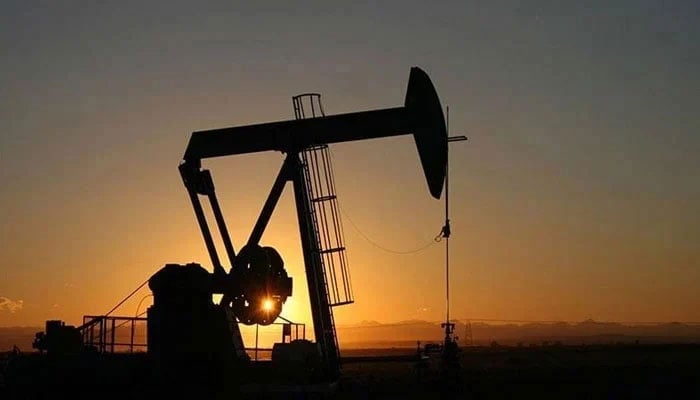
In addition to pricing friction, the sector is struggling with nearly Rs. 66.7 billion in outstanding Price Differential Claim (PDC) payments. These delayed disbursements serve as a significant catalyst for the current liquidity crunch. Therefore, the OCAC is demanding a transparent, consultative framework to provide precision in future pricing and safeguard the energy supply chain against abrupt inventory shocks.
The Situation Room Analysis
The Translation: Contextualizing the Crisis
To understand the “imminent collapse” cited by the OCAC, one must look at inventory valuation. When the government slashes petrol prices at the pump, refineries that purchased crude oil at higher global rates are forced to sell their refined product at a loss. This “policy-driven loss” is not a result of market inefficiency but a direct consequence of a rigid pricing formula that fails to protect the Pakistan oil industry from volatile market shifts.

The Socio-Economic Impact: What This Means for Citizens
For the average Pakistani household and professional, this instability poses a two-fold threat. First, if liquidity constraints prevent OMCs from importing or refining fuel, the nation could face localized supply shortages. Second, the financial erosion of the Pakistan oil industry limits future investment in domestic refining capacity, keeping the country dependent on expensive imported fuel, which ultimately drives long-term inflation in transport and electricity costs.
The Forward Path: Strategic Expert Opinion
This development represents a Stabilization Move rather than a Momentum Shift. The government’s decision to meet is a necessary intervention to prevent a total shutdown of the energy grid. However, for true progress to occur, the administration must transition from ad-hoc crisis management to a precision-driven, deregulated pricing model. Without a structural overhaul, the sector will continue to oscillate between emergency meetings and financial insolvency.








