
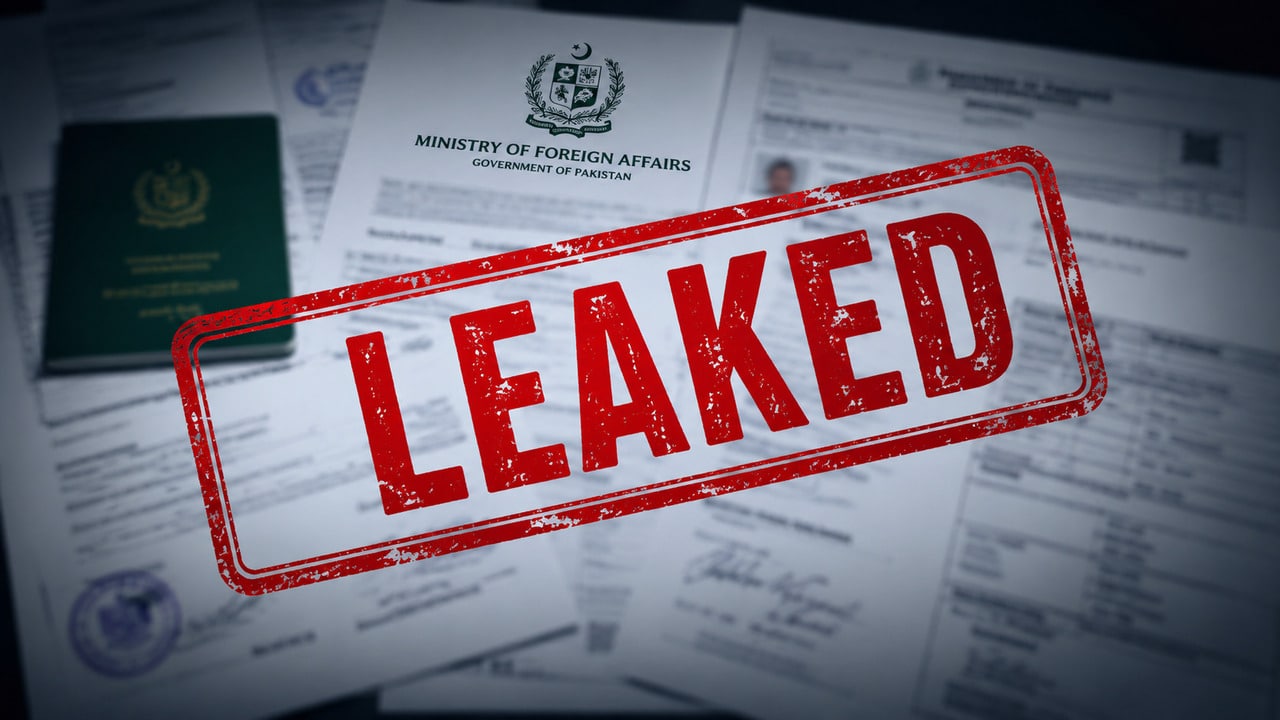
National digital infrastructure requires a calibrated defense to maintain structural integrity. Recent reports of a MOFA security vulnerability in the official document verification portal underscore the urgent need for systemic precision in our cybersecurity protocols. Consequently, this flaw could potentially expose sensitive government records and citizen documents to unauthorized access, demanding an immediate strategic response.
Analyzing the MOFA Security Vulnerability
Social media users recently identified potential bypasses in the Ministry of Foreign Affairs (MOFA) online verification system. These vulnerabilities suggest that unauthorized parties could view confidential documents processed both domestically and from overseas. Cybersecurity professionals emphasize that this issue represents a significant baseline risk to the national digital ecosystem. Furthermore, the reports suggest that the flaw might stem from older system designs or unresolved technical bottlenecks within the verification platform.

Strategic Response and Mitigation
The National Cyber Emergency Response Team (National CERT) has initiated a structural review of the situation. Officials confirmed their active involvement, stating that the MOFA document verification process is currently undergoing a rigorous security update. By recalibrating security controls, the government aims to prevent unauthorized exfiltration of sensitive information. Moreover, experts highlight that cooperation with independent researchers is a catalyst for creating a more resilient and transparent digital frontier.

The Situation Room Analysis
The Translation (Clear Context)
The reported issue likely involves an architectural weakness where the system fails to verify a user’s permission level before granting access to a specific document. In technical terms, this is often a “Broken Object Level Authorization” flaw. Essentially, if a user can guess or manipulate a document ID, the system provides the file without checking the requester’s identity. This bypasses the intended security layers of the MOFA platform.
The Socio-Economic Impact
The MOFA security vulnerability directly impacts the daily lives of Pakistani citizens in the following ways:
- Identity Theft Risk: Personal data leaked from official documents can be exploited for fraudulent activities.
- Global Mobility Hurdles: Overseas Pakistanis rely on these systems for visa and legal processing; any system compromise could delay essential travel or employment documentation.
- Erosion of Trust: Persistent flaws in government digital portals may discourage the adoption of “Digital Pakistan” initiatives among urban and rural households.
The Forward Path (Opinion)
This development represents a Momentum Shift in Pakistan’s cybersecurity journey. While the exposure is concerning, the rapid acknowledgment by National CERT indicates a transition toward professional accountability. However, stabilization is not enough. The state must move beyond reactive patching and adopt a “Secure-by-Design” framework. We recommend institutionalizing a national bug bounty program to utilize the precision of independent security researchers before flaws are exploited.








