

The federal government has calibrated a strategic extension of govt austerity measures until June 13, 2026. This directive, issued by the Cabinet Division, prioritizes system efficiency amid a volatile global economic landscape. Consequently, the state is enforcing a rigorous baseline for resource consumption across all federal departments to ensure national fiscal integrity. This high-density summary reflects the government’s commitment to disciplined economic management.
Precision Protocols for National Fuel Conservation
The updated notification mandates a series of structural restrictions designed to optimize the state’s operational footprint. Specifically, the government has implemented a 50% reduction in fuel allocation for official vehicles. Furthermore, authorities have grounded 60% of the government fleet to curb unnecessary expenditures and mitigate energy price risks. These govt austerity measures also include a comprehensive ban on foreign visits and official travel, ensuring that administrative focus remains localized and efficient.
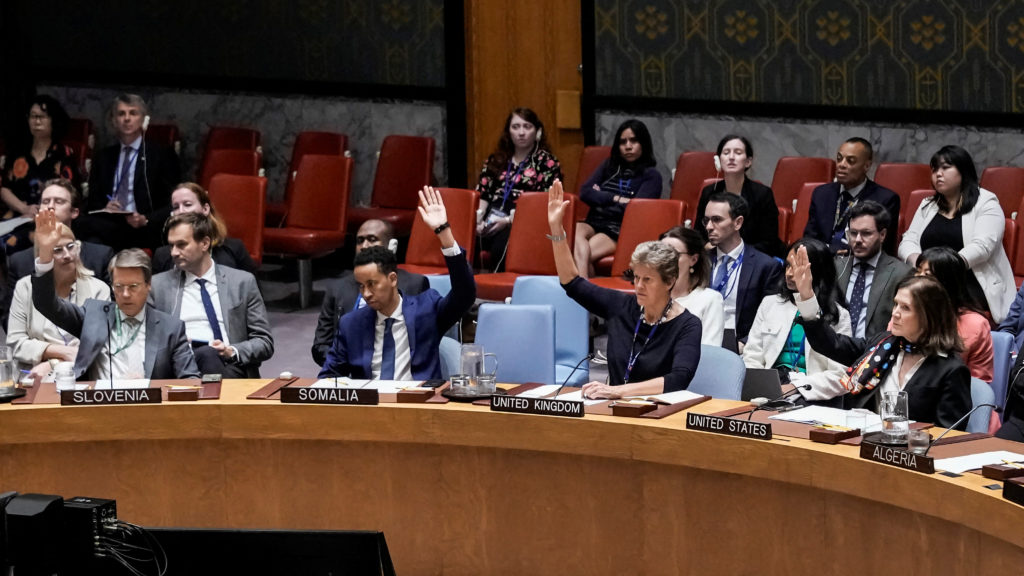
The Translation: Decoupling Rhetoric from Fiscal Reality
The decision to extend these measures stems from a precision analysis of global energy markets and regional stability. Following the rejection of the Iran war proposal by the Trump administration, the government is navigating a complex geopolitical nexus. While direct conflict risks may have shifted, the underlying volatility in fuel prices necessitates a defensive posture. The Cabinet Division is essentially shielding the national treasury from potential shocks by enforcing a “lean” state model that prioritizes essential services over administrative luxury.
The Socio-Economic Impact: Protecting the Pakistani Household
For the average Pakistani citizen, these govt austerity measures serve as a vital buffer against inflation. By drastically reducing state-level fuel consumption, the government alleviates pressure on foreign exchange reserves. This strategic move directly contributes to maintaining price stability at the pump for households and students. Additionally, the travel ban signals a shift toward digital governance, where professional outcomes take precedence over bureaucratic movement, potentially accelerating system-wide efficiency.
The Forward Path: A Necessary Stabilization Move
This extension represents a “Stabilization Move” rather than a momentum shift. It provides the architectural breathing room required for Pakistan to navigate ongoing global energy volatility without compromising domestic fiscal targets. While these measures may appear restrictive, they are a catalyst for long-term structural integrity. The government’s disciplined stance sets a baseline for sustainable growth, ensuring that the nation remains resilient in an unpredictable international environment.








