

The Higher Education Commission (HEC) of Pakistan has initiated a calibrated effort to expand higher education opportunities for Bangladeshi students. By launching the second series of Pakistan Higher Education Expos, the HEC actively strengthens the Pakistan-Bangladesh Knowledge Corridor. This strategic framework currently showcases the academic excellence of 20 prestigious Pakistani universities across major Bangladeshi hubs, including Dhaka, Barishal, and Chittagong. Consequently, this initiative serves as a catalyst for regional intellectual integration and advanced technical training.
The Architecture of the Knowledge Corridor
The 10-day academic tour facilitates direct engagement between Pakistani institutions and talented Bangladeshi applicants. During the inaugural ceremony in Dhaka, Education Minister Dr. A. N. M. Ehsanul Hoque Milon emphasized the structural importance of this bilateral exchange. Furthermore, the High Commissioner of Pakistan, Mr. Imran Haider, highlighted Pakistan’s competitive advantage in emerging sectors such as Artificial Intelligence, Data Sciences, and Aviation. These expos provide a precision-engineered roadmap for students seeking to excel in the global STEM landscape.
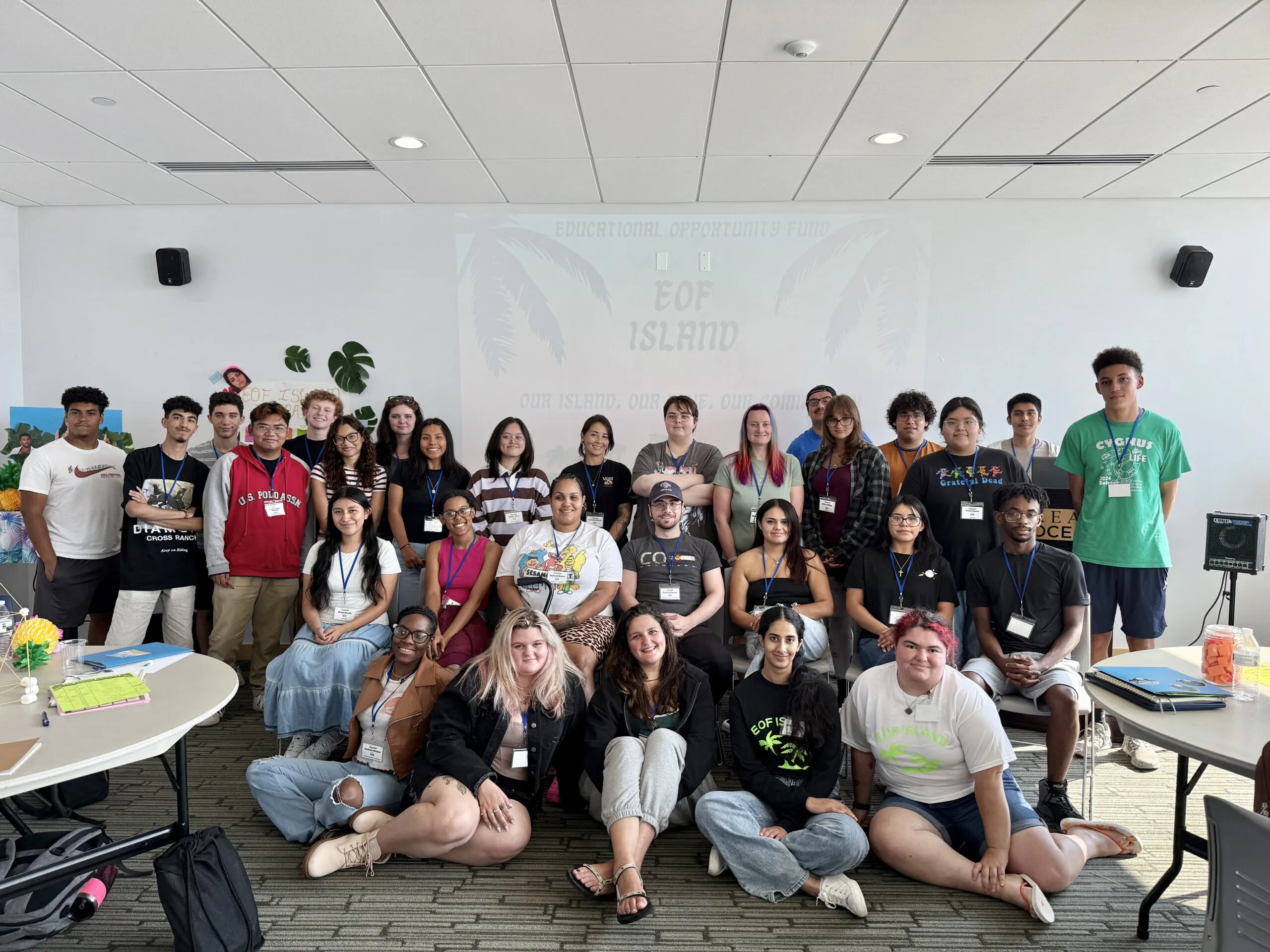
At the core of this initiative lies the Allama Muhammad Iqbal Scholarship program. Under this scheme, the Government of Pakistan offers 500 fully-funded scholarships to eligible Bangladeshi candidates. Notably, the first batch of 74 students has already transitioned into Pakistani universities, pursuing rigorous disciplines like Cyber Security and Medical Sciences. This data-driven approach ensures that the scholarship recipients contribute directly to the technical baseline of their home country upon completion of their degrees.
Strategic Resource Distribution and EdTech Trends
The HEC’s commitment extends beyond undergraduate and postgraduate degrees. The initiative also incorporates specialized training modules for Bangladeshi civil servants, fostering institutional synergy. By integrating modern educational trends, Pakistan positions itself as a regional hub for high-density knowledge transfer.

The Situation Room Analysis
The Translation
The “Pakistan-Bangladesh Knowledge Corridor” is more than a diplomatic gesture; it is a human capital infrastructure project. By standardizing educational access through the Allama Iqbal Scholarships, both nations are creating a synchronized academic ecosystem. This reduces technical barriers and allows for a seamless exchange of research and innovation across borders.

The Socio-Economic Impact
For the average Bangladeshi student, this development represents an accessible pathway to elite technical training without the prohibitive costs of Western education. In urban centers like Rajshahi and Sylhet, the availability of 500 fully-funded seats in Engineering and AI significantly boosts the local talent pipeline. This initiative effectively mitigates the impact of regional aid fluctuations by providing a stable, state-backed academic alternative.
The Forward Path: Momentum Shift
This development is a definitive Momentum Shift. Pakistan is no longer just providing aid; it is exporting a high-value educational system. As more Bangladeshi professionals graduate from Pakistani universities, we anticipate a structural increase in bilateral trade and collaborative research projects. This is a foundational step toward a more integrated and self-reliant South Asian digital economy.








