

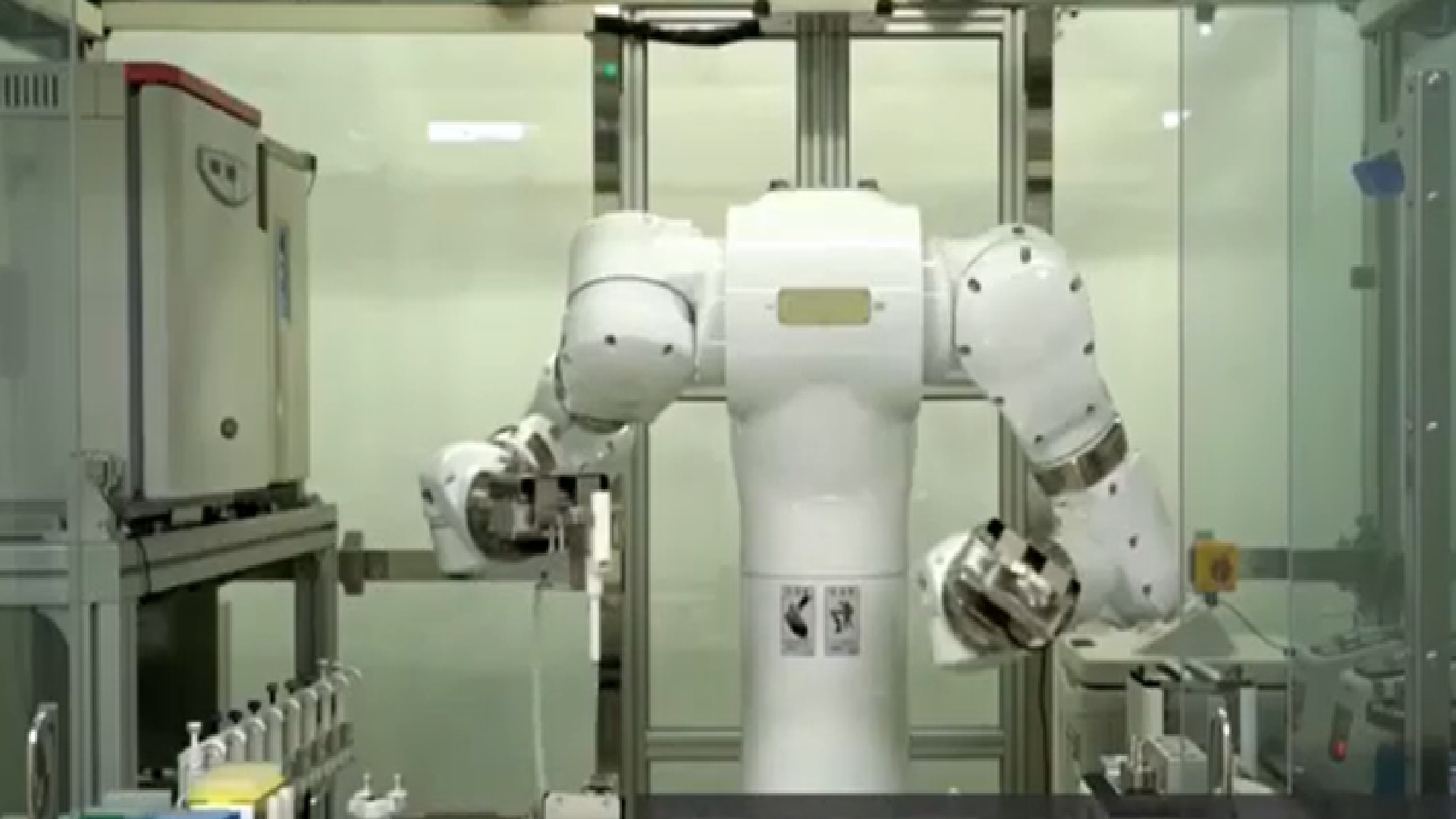
National advancement requires the seamless integration of human ingenuity and machine precision. Recently, the Institute of Science Tokyo achieved a significant milestone by establishing a pioneering robot-run lab at its Yushima campus. This Robotics Innovation Center currently employs ten advanced robots, including the sophisticated Maholo LabDroid, to conduct medical experiments without any human staff present on the laboratory floor.
Precision Automation: Inside the Robot-Run Lab
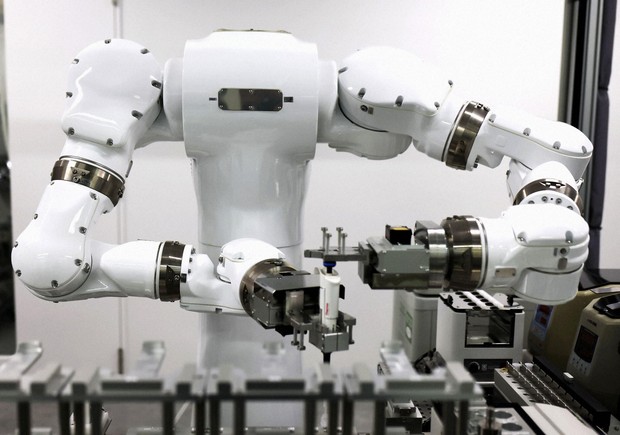
The facility represents a structural shift in how we approach scientific discovery. Specifically, these robots utilize dual-arm systems to execute delicate tasks that previously required human researchers. They can accurately transfer volatile reagents and manage temperature-controlled equipment with a level of consistency that eliminates traditional manual variability.
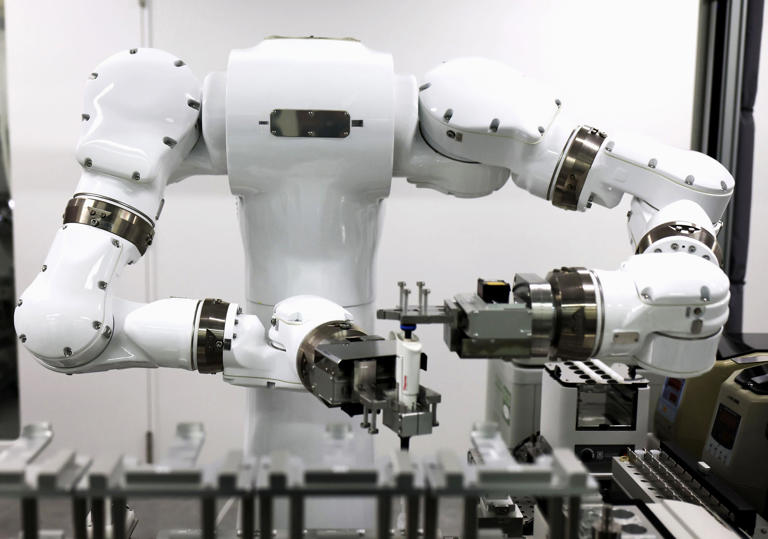
Furthermore, the university has already successfully programmed autonomous cell cultivation. Consequently, the system operates as a calibrated environment where artificial intelligence manages the experimental lifecycle. This move addresses critical global challenges, such as labor shortages and the persistent need to minimize human error in high-stakes clinical research.

Scaling to the 2040 Vision
The current setup serves as a baseline for an ambitious long-term strategy. The university plans to scale the facility to include approximately 2,000 robots by 2040. This expansion will allow the robot-run lab to manage the entire scientific process—from generating initial hypotheses to final experimental verification—without human intervention.
The Translation (Clear Context)
While traditional labs rely on human researchers to perform repetitive physical tasks, this “unmanned” facility uses Robotics and AI as a unified operating system. The “Maholo” robots are not just machines; they are precision instruments capable of learning complex biological protocols. By removing the human variable, the lab ensures that every experiment is performed under identical, optimized conditions every single time.

The Socio-Economic Impact
For the average citizen, this development acts as a catalyst for faster medical breakthroughs. In Pakistan, where skilled lab technicians are often in high demand but short supply, such autonomous systems could provide a blueprint for high-efficiency diagnostic and research centers. For students and professionals, this shifts the career focus from “manual lab work” to “system architecture” and “data analysis,” creating higher-value roles in the digital economy.
The Forward Path (Opinion)
This development represents a definitive Momentum Shift for global science. By automating the physical execution of research, Tokyo University is freeing the human mind to focus entirely on creative problem-solving and strategic direction. This is the precision-driven future of STEM: humans design the logic, while robots execute the physical reality with flawless accuracy.









