
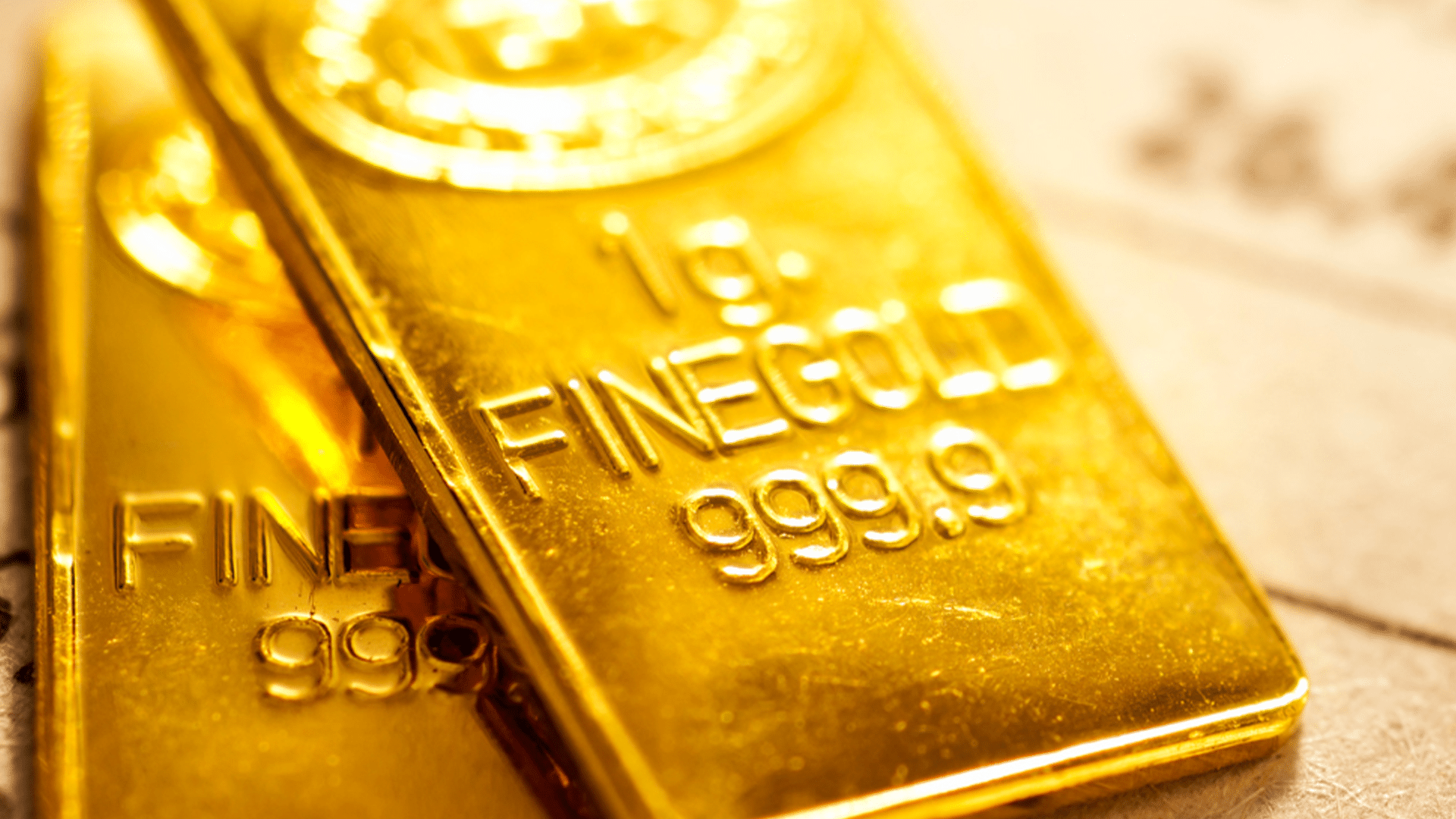
Gold prices in Pakistan surged significantly on Saturday as international market shifts triggered a sharp local rebound. The All Pakistan Sarafa Gems and Jewelers Association confirmed that the per tola price escalated by Rs. 4,370, reaching a new baseline of Rs. 444,336. This development follows a period of rapid fluctuations, indicating a strategic recalibration within the bullion sector to match global valuation benchmarks.
Strategic Analysis of Gold Prices in Pakistan
The latest data indicates that 10 grams of gold also appreciated by Rs. 3,933, settling at Rs. 379,880. Consequently, this upward trajectory has effectively mitigated the losses recorded during the previous session. While the market saw a dip of Rs. 7,250 on Friday, the current acceleration highlights the sensitivity of local rates to international catalysts. Furthermore, silver prices tracked this upward movement, gaining Rs. 200 to settle at Rs. 7,279 per tola, demonstrating a synchronized rally across precious metals.
The Translation: Decoding the Market Logic
The domestic bullion market operates on a precision-weighted mechanism tied directly to global trends. Specifically, when international gold prices jumped by $43 to reach $4,219 per ounce, it forced an immediate structural adjustment in Pakistan. This synchronization ensures that local trade remains aligned with international liquidity, preventing arbitrage and maintaining market efficiency despite high-frequency volatility.
The Socio-Economic Impact: Effects on the Household
Fluctuating precious metal rates exert structural pressure on the middle-class economy of Pakistan. For households currently navigating the marriage season, these sudden price spikes necessitate immediate budget re-evaluations and strategic spending shifts. Moreover, for young professionals using gold as a hedge against inflation, these jumps represent a higher entry barrier for asset acquisition, impacting long-term financial precision and savings goals.
The Forward Path: Momentum Shift or Stabilization?
Our analysis categorizes this development as a Momentum Shift. The consecutive increases signal that international bullish trends are currently overriding local stabilization efforts. Consequently, market participants should anticipate continued sensitivity as global geopolitical factors remain the primary catalyst for this upward trajectory. This is not a mere stabilization move; it is an active market rally driven by external precision metrics.








