The geopolitical landscape of the Middle East is currently undergoing a structural shift characterized by a calibrated increase in systemic aggression. Recent UN data reported by Oxfam highlights that West Bank violence has resulted in more Palestinian deaths over the past three years than in the preceding seventeen years combined. This alarming statistical baseline signals a move toward unprecedented regional instability and humanitarian erosion.
Analyzing the Surge in Fatalities
Between 2023 and the end of 2025, Israeli forces and settlers killed 1,244 Palestinians in the West Bank. This figure includes 268 children, representing a tragic demographic impact. In contrast, the 17-year period from 2006 to 2022 recorded 1,036 deaths. Consequently, the intensity of West Bank violence in the modern era has surpassed the total mortality rate of the previous two decades in a fraction of the time.

Structural Displacement and Territorial Erosion
Forced displacement serves as a primary catalyst for the current humanitarian decline. Over the past three years, approximately 46,000 Palestinians were forced from their homes. Comparatively, only 13,000 displacements occurred in the 14 years prior to this period. Israeli military operations, calibrated settler violence, and strategic home demolitions primarily drive this displacement trend, effectively restructuring the demographic map of the territory.

Current Trajectory and Reporting
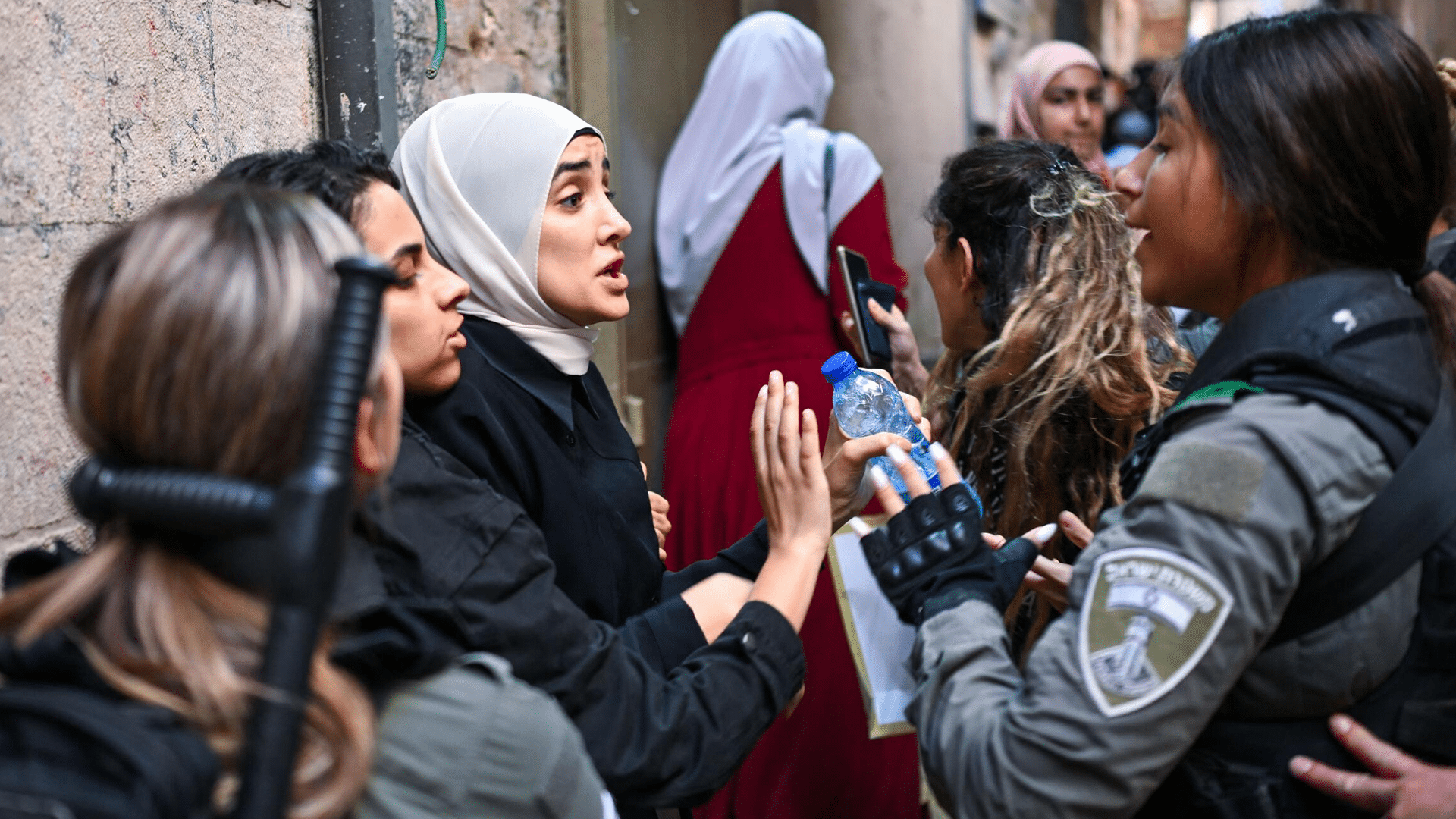
In the first quarter of the current year alone, Oxfam recorded over 540 settler attacks and 33 Palestinian deaths. Furthermore, these events triggered more than 2,200 new displacements. Bushra Khalidi of Oxfam described the situation as an unprecedented surge of violence. While international attention remains focused on Gaza, the structural violence in the West Bank continues to accelerate at a precision pace.

The Translation: Contextualizing the Data
The transition from sporadic clashes to a sustained, high-casualty environment indicates a systemic policy shift. This is not merely a series of isolated incidents but a calibrated use of military and settler power to accelerate territorial control. The logic behind the statistics points to a strategic effort to dismantle the social fabric of Palestinian communities through movement restrictions and economic strangulation.
The Socio-Economic Impact
For the average Pakistani citizen, this development serves as a critical baseline for understanding global humanitarian justice. The surge in West Bank violence disrupts global supply chains and heightens regional tension, which indirectly impacts the Pakistani economy. Furthermore, for the youth of Pakistan, these developments emphasize the urgent need for expertise in international law and digital advocacy to address systemic global inequities.
The Forward Path: Expert Opinion
This development represents a significant Momentum Shift. We are no longer observing a period of stabilization; rather, we are witnessing a rapid escalation toward total systemic erasure in the West Bank. To prevent a complete humanitarian collapse, international stakeholders must apply precise, structural pressure to restore the rule of law and halt the cycle of displacement.