

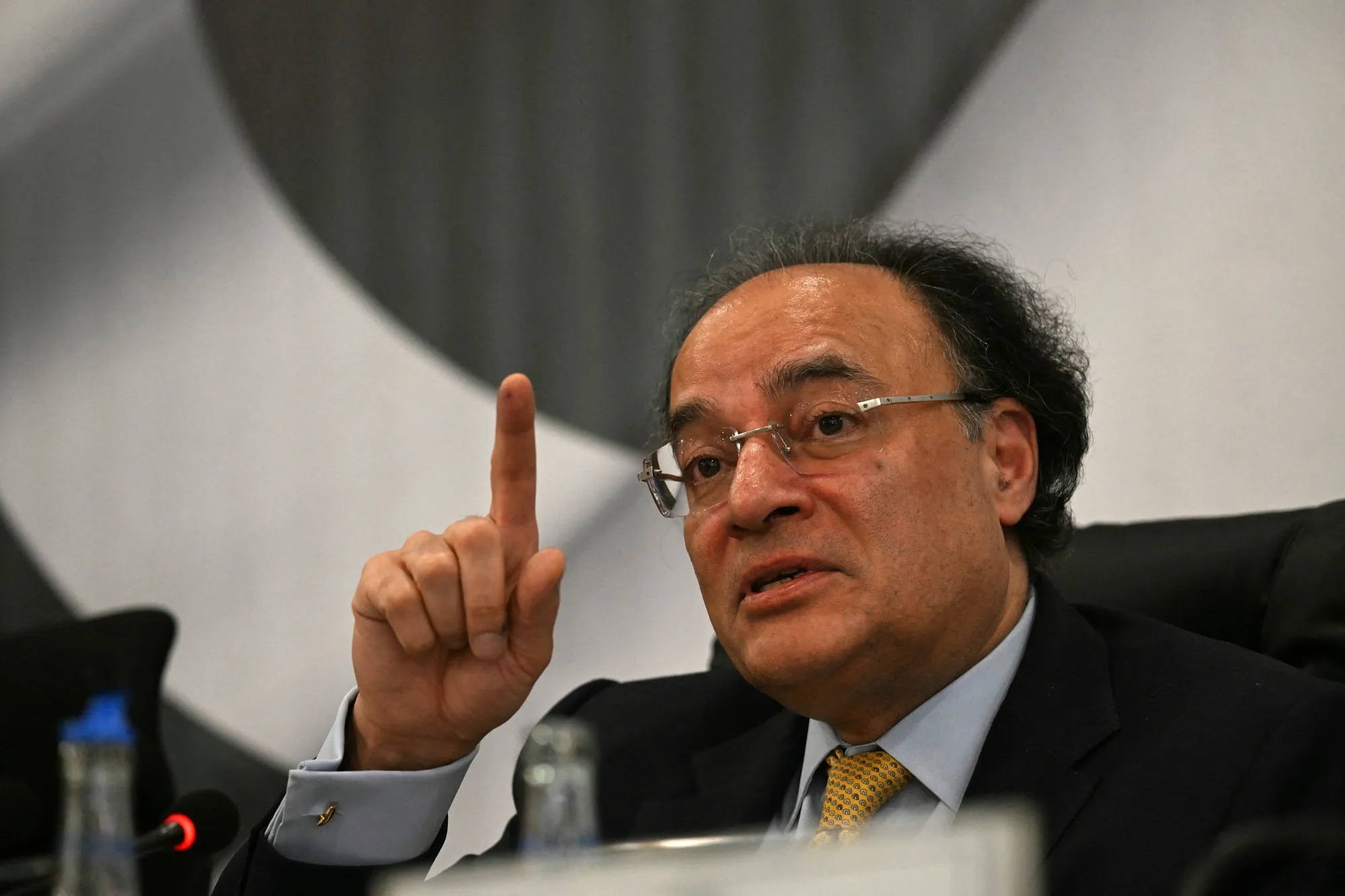
Finance Minister Muhammad Aurangzeb confirms that Pakistan’s economic recovery has entered a calibrated phase of acceleration. Recent data indicates a strategic pivot from stabilization to sustainable expansion, with a targeted 4% GDP growth rate for fiscal year 2026-27. This transition serves as a catalyst for structural reform, aiming to reduce inflation from 11.7% to a projected 8.2%. Ultimately, these measures aim to fortify the national financial baseline against global volatility.
The Translation: Calibrating the Macroeconomic Baseline
The government is currently re-engineering the architecture of the national economy. Specifically, the shift focuses on moving from consumption-heavy models toward export-led growth. Finance Minister Aurangzeb highlighted that Pakistan has achieved a historically low fiscal deficit and a primary surplus. Consequently, foreign exchange reserves now provide a safety margin equivalent to three months of import cover. This precision in fiscal management ensures that the system remains resilient during the upcoming transition to sustainable growth.
Furthermore, the Federal Budget for FY 2026-27 introduces business tax relief to incentivize investment. The government has established an ambitious revenue target of Rs. 15.3 trillion. While this goal requires high efficiency, it remains a necessary benchmark for maintaining hard-won fiscal gains. The roadmap emphasizes revenue collection and public finance strengthening as the primary drivers of this new economic era.
Measuring the Socio-Economic Impact
How does this macro-level shift affect the daily life of a Pakistani citizen? The projected decline in inflation to 8.2% directly preserves the purchasing power of households. As price volatility eases, both urban and rural families can better manage essential expenses. Additionally, the focus on export-led growth creates a demand for specialized labor, offering students and young professionals new pathways in high-value industries. Tax relief for businesses acts as a catalyst for job creation, potentially stabilizing the domestic labor market.
The Forward Path: A Momentum Shift for Pakistan
This development represents a Momentum Shift for the country. The transition from mere stabilization to a proactive growth strategy indicates that the structural baseline of the economy is finally firm. However, external risks remain a significant variable. Specifically, geopolitical tensions in the Middle East could impact energy markets and inflation targets. Despite these uncertainties, the current fiscal discipline and IMF-supported reforms provide a robust framework for long-term progress. Pakistan is no longer just maintaining; it is actively building a more efficient system.








