
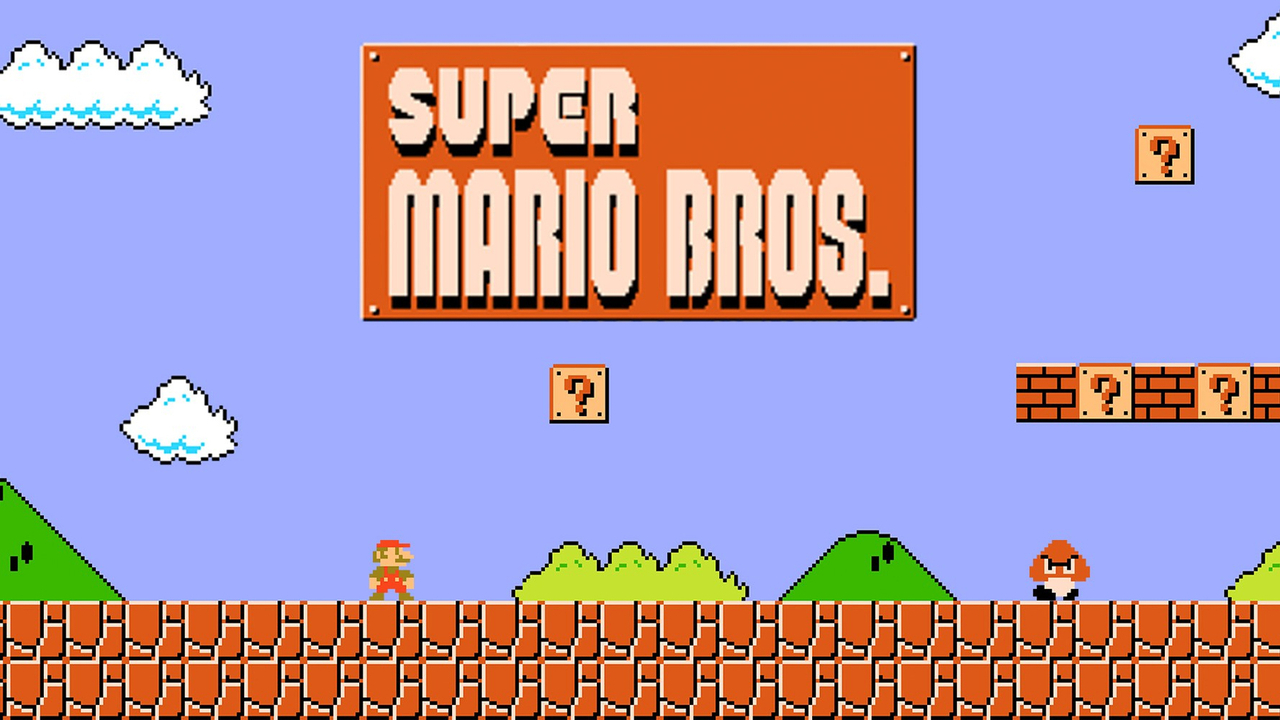
The recent Super Mario Auction finalized a landmark $3 million transaction, establishing a new structural baseline for the valuation of high-grade digital artifacts. Heritage Auctions facilitated the sale of a sealed, second-production copy of Super Mario Bros. for the NES, marking it as the most significant video game ever offered to the public. Consequently, this calibrated preservation effort has transformed a 40-year-old consumer product into a primary-tier investment asset.
The Mechanics of a $3 Million Super Mario Auction
This specific unit remained untouched for four decades within a box containing a launch edition NES Control Deck console. Furthermore, the item carries a prestigious PSA 9.6 A++ grade, signifying near-perfection in its physical state. Collectors consider this variant rare because it features an unbroken glossy sticker seal—a format Nintendo utilized for a very narrow window in 1986 before transitioning to standard shrink-wrap packaging.
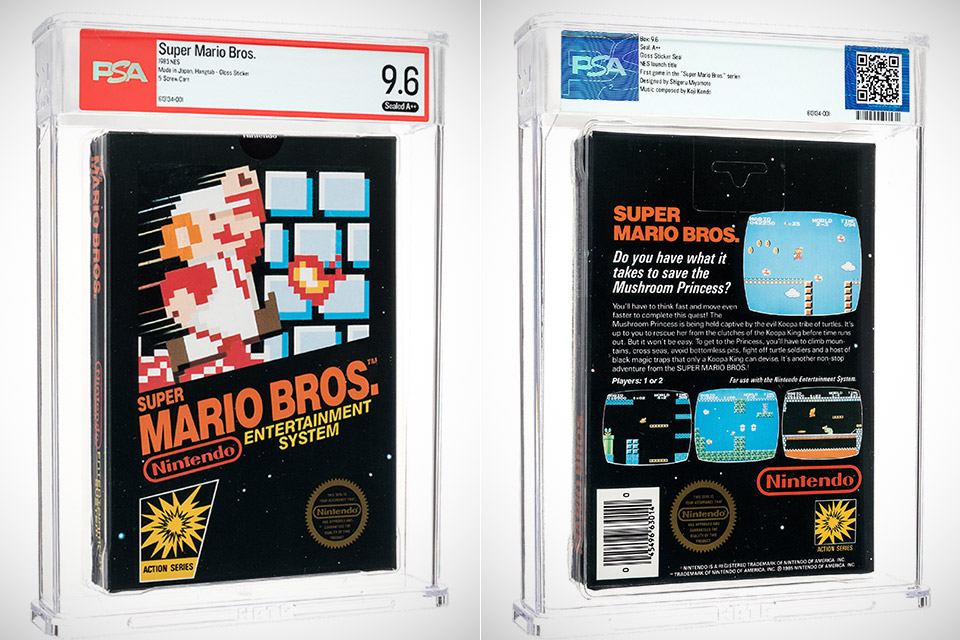
According to Heritage Auctions, only three such second-production copies with this specific gloss sticker format are currently known to exist. Because this variant had never appeared in a public auction before, it served as a catalyst for intense market competition. Historically, these games lacked plastic protection, making the discovery of such a well-preserved specimen a statistical anomaly.
The Translation: Precision Scarcity
In the world of high-stakes collecting, “The Translation” of this event is simple: rarity is defined by manufacturing transitions. The shift from sticker seals to shrink-wrap created a “structural ghost” in supply. While millions of games were produced, only a handful exist from this specific production run with their original seals intact. This $3 million price tag reflects the precision grading of a moment in time when gaming moved from a novelty to a cultural cornerstone.
Historical Context and Heritage Valuation

The game and its accompanying console originated from the Los Angeles test market era. This period represents the initial, strategic expansion of Nintendo into the United States market. Heritage Auctions noted that this item allows a collector to possess the exact moment Super Mario Bros. began its trajectory toward global dominance. Consequently, the sale represents more than nostalgia; it is the acquisition of a historical pivot point in digital media.

Socio-Economic Impact: Assets for the Next Generation
How does a $3 million game impact the daily life of a Pakistani citizen? It signals a diversification of the global “Asset Class.” For Pakistani students and young professionals, this highlights the rising value of digital heritage preservation. As the world moves toward intangible assets, the ability to identify, preserve, and grade historical technology becomes a viable professional path. It validates the idea that precision-kept items from our current era could be the catalysts for wealth in the future.
The Forward Path: A Momentum Shift
In my expert opinion, this development represents a clear Momentum Shift. We are no longer viewing video games as mere toys, but as “Digital Gold.” The precision required to maintain a PSA 9.6 grade over 40 years is an architectural feat of preservation. This sale will likely trigger a global search for similar artifacts, including within the growing tech-collector circles in Pakistan. We are witnessing the birth of a new, disciplined market for historical software.








