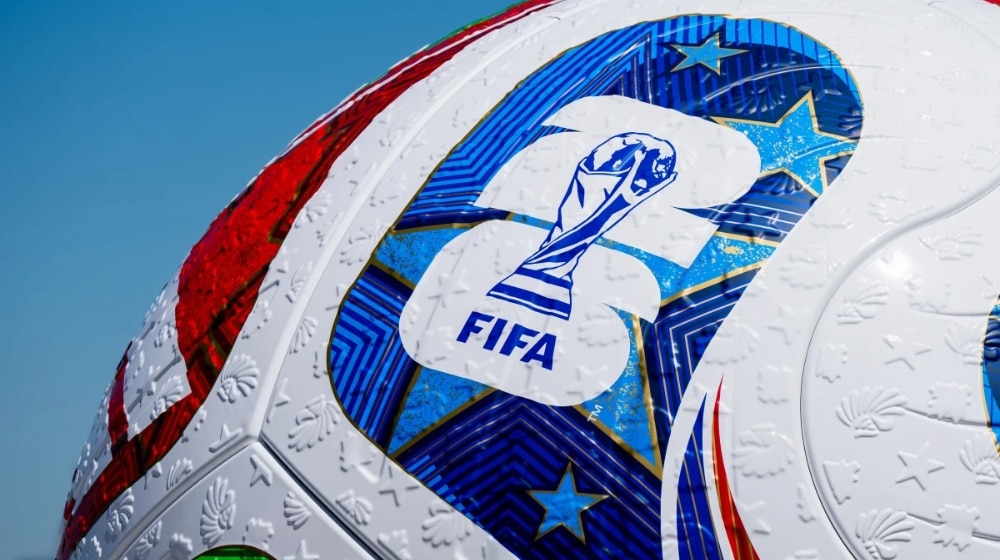
As the World Cup 2026 anticipation reaches a fever pitch, we are witnessing the construction of the most complex sporting infrastructure in human history. This tournament is not merely a game; it is a tri-national logistical operation across the United States, Mexico, and Canada. By transitioning to a 48-team model, FIFA is executing a massive structural expansion that will redefine global fan engagement and system efficiency.
A Structural Breakdown of the 48-Team Era
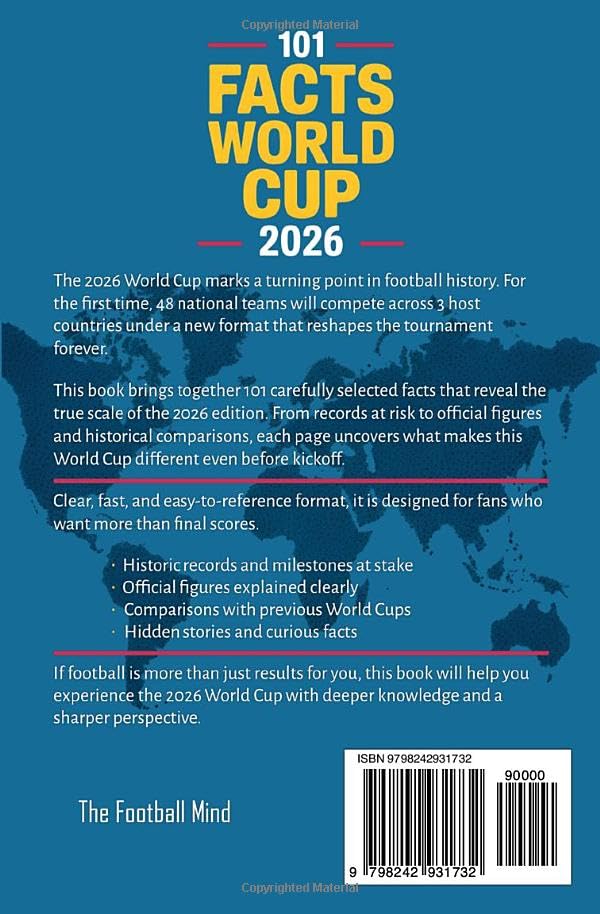
The transition from a 32-team model to a 48-nation bracket is a calibrated effort to democratize the sport’s highest stage. This structural overhaul increases the match count from 64 to a staggering 104 games. Consequently, the tournament will span 39 days, requiring a precise baseline of elite physical performance from every athlete. Furthermore, the introduction of a Round of 32 ensures that the stakes remain high throughout the extended calendar.

Sixteen host cities will serve as the catalysts for this new era. Eleven high-tech venues in the US, alongside key sites in Mexico and Canada, have been strategic targets for infrastructure upgrades. For instance, stadiums like the Dallas Stadium and MetLife Stadium are undergoing rebranding to meet rigorous FIFA precision standards. These venues are preparing to manage near-six-figure crowds, testing the limits of modern urban transit systems.
Measuring the World Cup 2026 Anticipation in Fan Culture
The magnitude of this expansion has pushed World Cup 2026 anticipation toward an unprecedented peak. Logistical complexity is now a defining feature of the fan experience. Unlike previous localized tournaments, supporters must now navigate multi-hour flights across diverse time zones. This evolution transforms the event from a singular festival into a continental traveling circus, blending hyper-modern North American tailgating with traditional global football passion.

Data-driven integration is the new baseline for fan interaction. The rollout of a smartphone-integrated FIFA Fan ID represents a shift toward a digital ecosystem. This system offers augmented-reality experiences and instant merchandise customization. By embedding the sport within the NFL and Liga MX infrastructures, FIFA is securing a permanent strategic position within the North American market.
The Situation Room: Analysis
The Translation (Clear Context)
The move to a 48-team format means more than just “more games.” It is a move to maximize media rights and market penetration in previously underrepresented regions. The Round of 32 is a new “survival gate” that rewards consistency, while the 12-group structure is designed to minimize early-exit volatility for high-value teams.

The Socio-Economic Impact
For the average Pakistani citizen, this expansion provides a clearer path to global participation and professional benchmarks. As digitalization speeds up fan engagement, local professionals can leverage the “Fan ID” ecosystem as a case study for domestic sports management. Moreover, the prime-time scheduling for Asian markets will drive a surge in domestic viewership, stimulating local advertising and digital media economies.
The “Forward Path” (Opinion)
This development represents a Momentum Shift. While the logistical chaos and travel fatigue are genuine risks, the sheer scale of the 104-match format creates a “Blue Ocean” of commercial and athletic opportunities. If the technical quality remains high despite the volume, the 2026 World Cup will be remembered as the moment football became a truly global, data-integrated industry.