
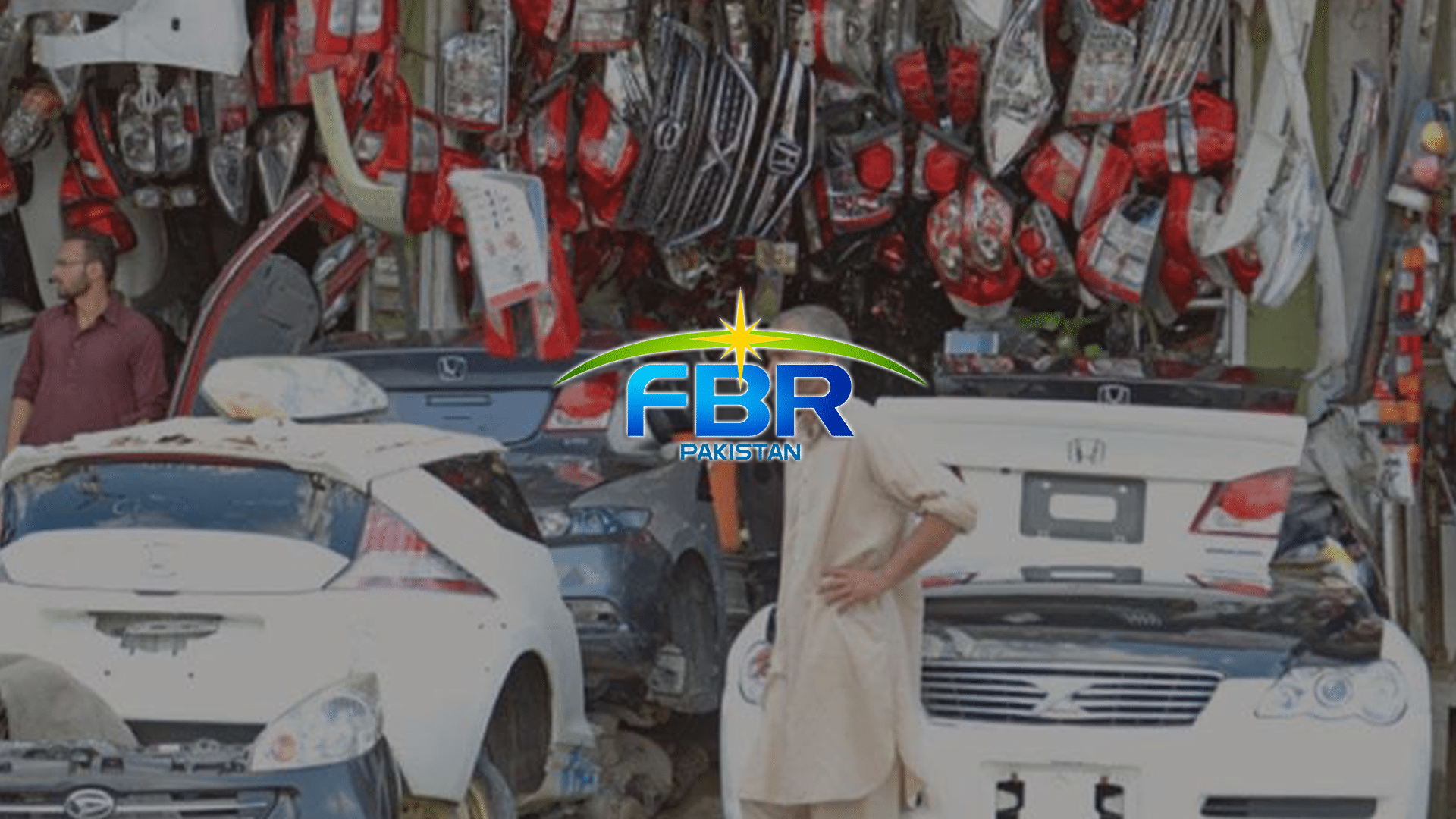
The Directorate General of Customs Valuation in Karachi has implemented a calibrated shift in the assessment of imported car parts. By introducing Valuation Ruling No. 2092 of 2026, the authorities have moved away from an outdated weight-based system. Instead, they have established a precise valuation framework grounded in vehicle application and engine capacity for components sourced from China, Japan, and Europe.
Calibrating Values for Imported Car Parts
This structural update replaces the six-year-old Valuation Ruling No. 1402-I/2019. The new directive specifically targets essential replacement components, including water pumps, oil pumps, fuel pumps, and various filtration systems. Consequently, the Customs department now categorizes these items based on the specific power output and engine displacement of the vehicle they serve.
The Directorate initiated this review following strategic consultations with industry stakeholders. Groups such as the Pakistan Automobile Spare Parts Importers and Dealers Association (PASPIDA) and Indus Motor Company (IMC) provided critical baseline data. They argued that the market identifies imported car parts by engine capacity rather than physical weight, making the previous metrics obsolete.
The Situation Room: Strategic Analysis
The Translation (Clear Context)
In technical terms, the FBR has synchronized customs logic with actual market mechanics. Previously, a heavy but low-value part might have been over-taxed, while a lightweight, high-tech electronic pump for a large engine was under-valued. By using engine capacity (CC) as the primary metric, the Directorate ensures that the tax burden reflects the actual economic value and utility of the component in the Pakistani market.
The Socio-Economic Impact
For the average Pakistani citizen, this move promises a more predictable pricing structure for vehicle maintenance. Households and professionals relying on imported spare parts can expect
- Consistent pricing across different dealerships
- Fairer valuation for small-capacity “city cars”
- Increased availability of specific high-performance parts due to clearer import guidelines.
This precision reduces the “corruption buffer” often found in discretionary weight-based assessments.
The Forward Path (Opinion)
We categorize this development as a Momentum Shift. Moving beyond a static, weight-based system that survived for over six years indicates a drive toward system efficiency. While the transition may cause a short-term calibration period for retailers, the long-term structural alignment with global automotive standards is a catalyst for a more mature domestic auto-parts market.








