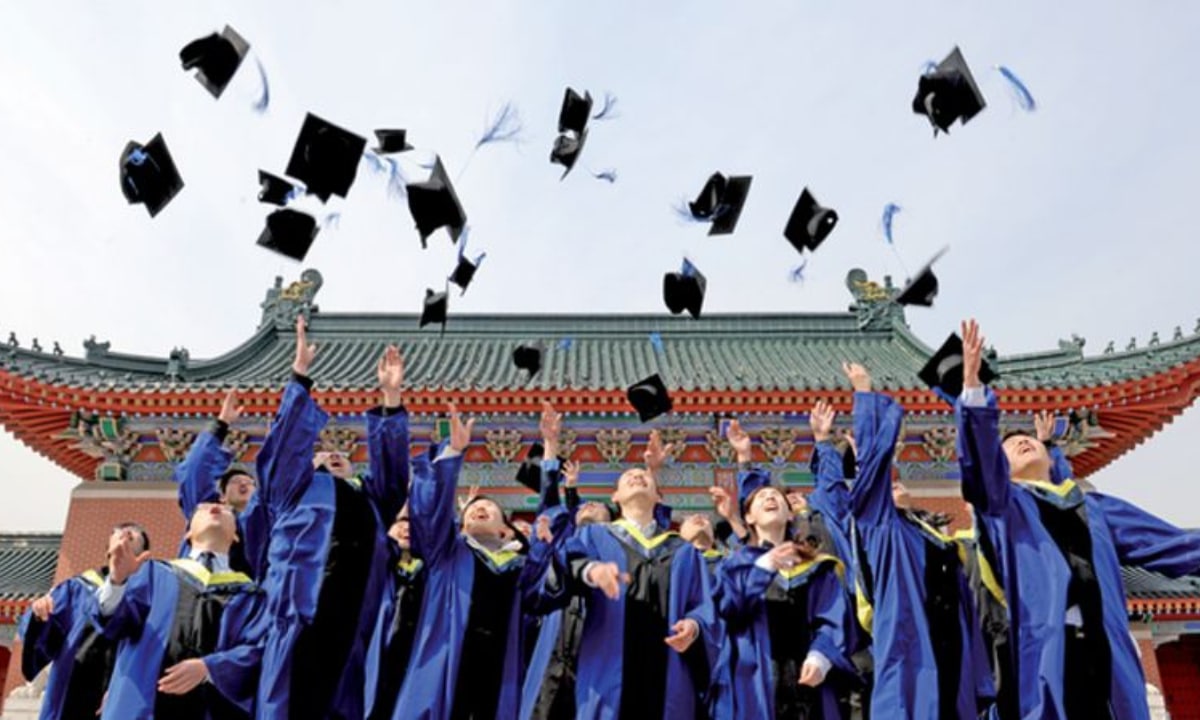
National advancement requires structural precision. Consequently, China has initiated a massive AI education reform, cutting 12,200 obsolete programs to recalibrate its workforce for the digital frontier. This strategic pivot ensures that higher education directly supports the country’s industrial priorities and technological baseline. Between 2021 and 2025, Chinese universities revoked or suspended over 30% of their existing undergraduate programs while simultaneously launching 10,200 new, technology-centric courses.
The Structural Pivot Toward Embodied Intelligence
Beijing is actively pruning disciplines that officials now categorize as “oversaturated.” Specifically, most cuts targeted the arts, humanities, foreign languages, and management disciplines. In contrast, institutions are rapidly expanding majors in embodied intelligence and advanced artificial intelligence. This shift reflects a disciplined effort to avoid a mismatched labor market where graduates possess qualifications that do not meet the needs of a technology-driven economy.
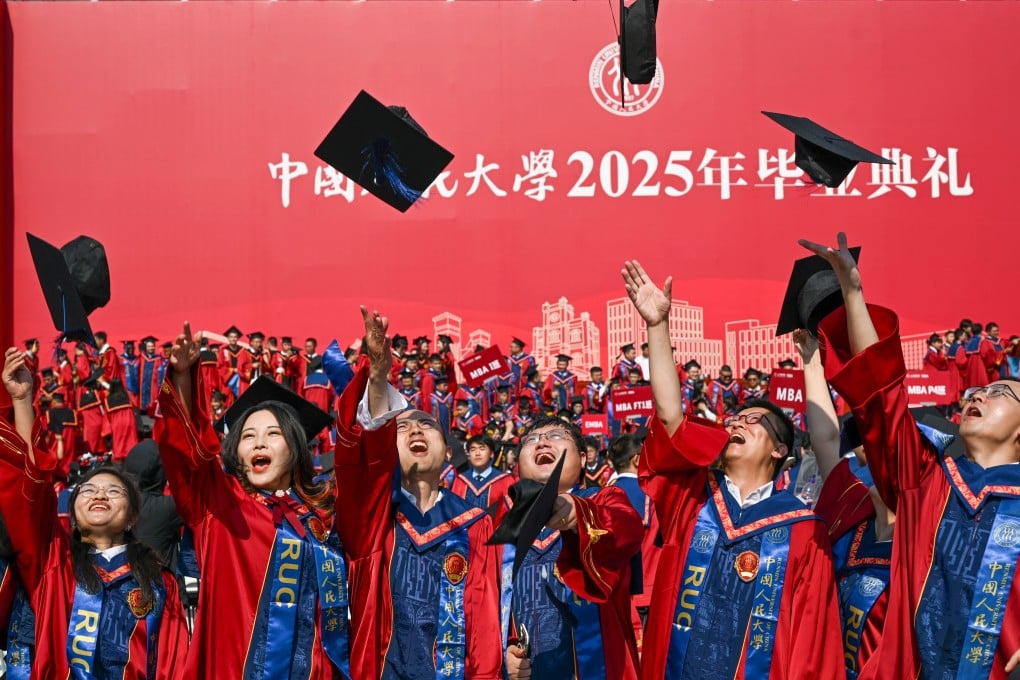
Data from the Ministry of Education confirms that this AI education reform serves as a catalyst for national innovation. As record numbers of students enter the workforce annually, the government is prioritizing fields that will define the next decade of global competition. Experts believe these changes will improve graduate employment outcomes by aligning academic degrees with high-growth sectors.
The Translation: Jargon to Clarity
The “obsolete degree” label does not imply these subjects lack intellectual value. Rather, it signifies a system efficiency move. China is moving away from the “Generalist” model of the 20th century toward a “Precision Specialist” model. They are effectively treating the university system like a software update—deleting old code that slows down economic throughput and installing new drivers for automation, robotics, and machine learning.
The Socio-Economic Impact
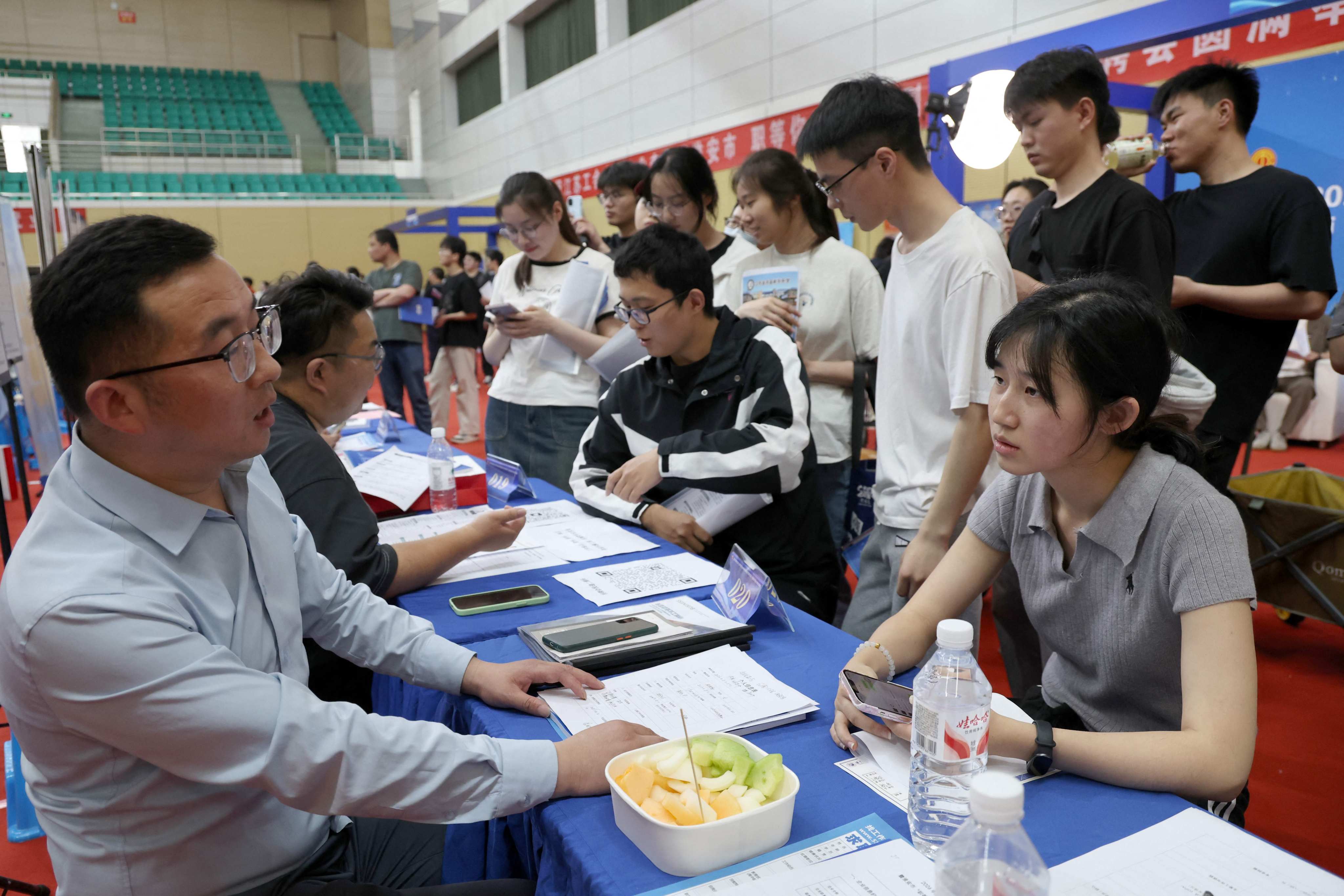
How does this change daily life? For the average citizen, this AI education reform fundamentally alters the career roadmap. Students in urban centers like Shenzhen or Beijing will find higher subsidies and clearer job placement for technical majors. Conversely, those pursuing traditional humanities may face higher competition or a requirement for digital upskilling. This shift forces families to view higher education not as a cultural rite of passage, but as a calibrated investment in the technical workforce.
The Forward Path: A Momentum Shift
This development represents a significant Momentum Shift in global education. While traditionalists argue for flexible learning models and academic freedom, China’s top-down approach prioritizes national survival in the AI race. By aggressively pruning 12,000 degrees, the state is signaling that the era of “education for education’s sake” is over. For Pakistan, this serves as a critical blueprint: we must decide if our current academic output is a catalyst for progress or a baseline for stagnation.