
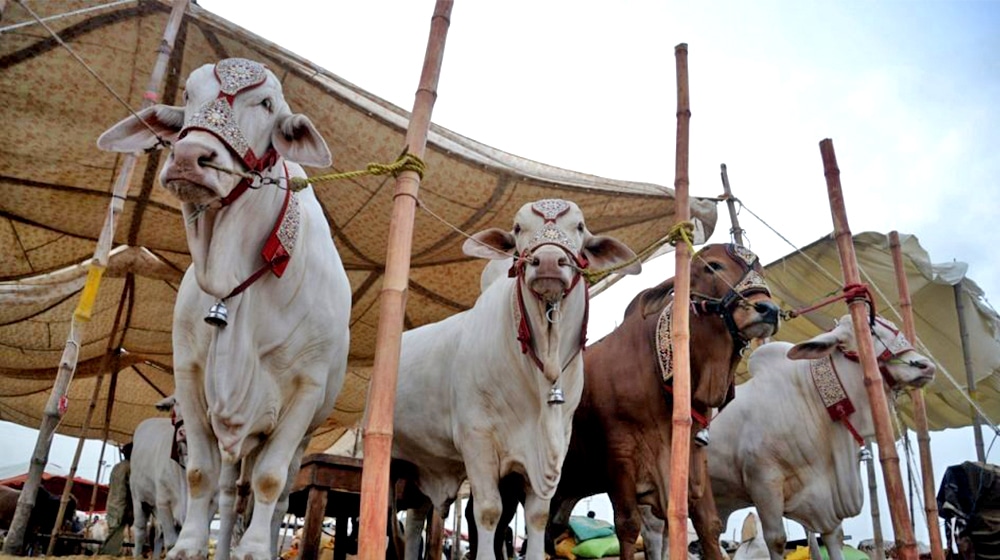
Pakistan is positioned to unlock millions in climate finance through a strategic pivot in its livestock sector. A feasibility study confirms that Punjab’s cattle markets can generate high-value Carbon Credits Pakistan needs to stabilize its green economy. By converting raw animal waste into biogas and fertiliser, the public sector creates a sustainable revenue baseline while addressing environmental hazards.
Calibrating the Infrastructure for Carbon Credits Pakistan
Punjab’s largest livestock hubs, including Multan, Lahore, and Sheikhupura, handle over 80,000 animals every week. These facilities produce a staggering 87,000 kilograms of manure daily. Currently, this waste remains unmanaged, acting as a catalyst for methane emissions. In contrast, the Punjab Cattle Market Management and Development Company proposes a structural shift toward anaerobic digesters to capture these emissions.
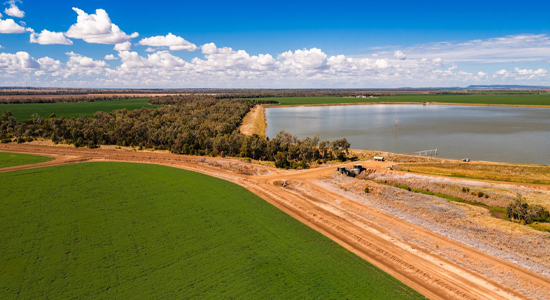
Strategically, sites in Multan and Chichawatni have emerged as the most commercially viable priority zones. These precision-engineered systems will transform raw waste into three distinct assets:
- Internationally Tradable Carbon Credits: Generating an estimated 2 million credits over five years.
- Renewable Biogas: Providing a cleaner fuel alternative for local industries.
- Organic Fertiliser: Supporting the agricultural baseline with nutrient-rich soil enhancers.
The Translation: From Waste to Wealth
The logic behind this initiative is the “Circular Economy” model. Instead of allowing methane—a potent greenhouse gas—to escape into the atmosphere, we trap it using calibrated technology. This process converts a logistical liability into a financial asset. Essentially, Pakistan is turning its domestic waste into a global commodity that can be sold for foreign exchange.
The Socio-Economic Impact
This development directly improves the daily lives of Pakistani citizens by reducing the pollution levels in urban peripheries. For households, the production of biogas offers a potential buffer against energy shortages. Furthermore, the influx of millions in foreign exchange through Carbon Credits Pakistan helps stabilize the national economy, benefiting every professional and student by strengthening the fiscal framework.
The Forward Path: Momentum Shift
This initiative represents a significant Momentum Shift. It marks the transition from reactive waste management to proactive economic engineering. By scaling this precision model across all provincial cattle markets, Pakistan can establish itself as a leader in sustainable climate finance. This is not just a cleaning project; it is a structural upgrade for our national economy.








