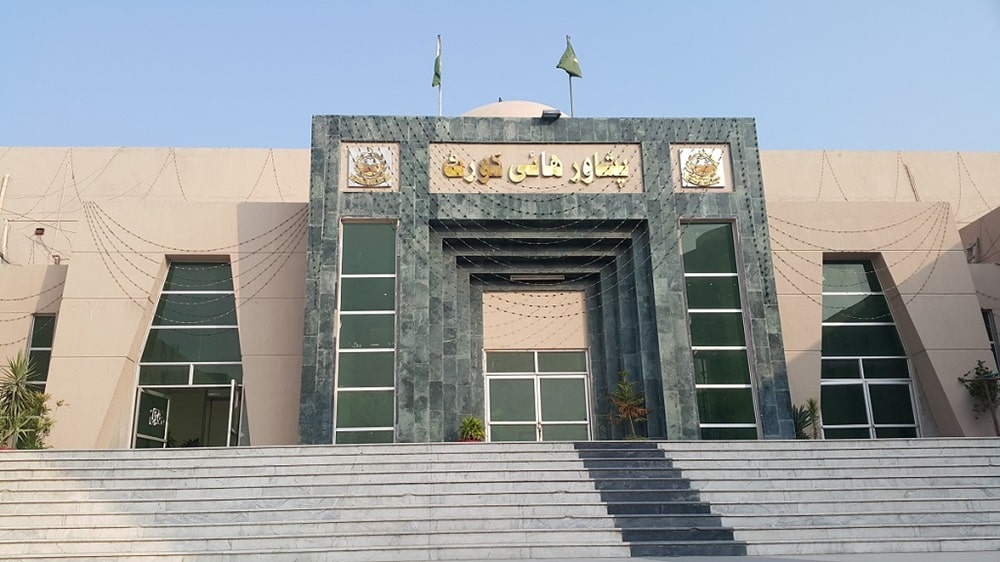
The Peshawar High Court (PHC) has calibrated a vital legal precedent regarding Police Clearance Certificates, distinguishing between technical infractions and serious misconduct. Consequently, a bench comprising Justice Syed Muddaser Ameer and Justice Aurangzeb ruled that minor offenses must not serve as adverse entries. This decision specifically ensures that petty convictions do not obstruct an individual’s reputation or professional prospects. By removing the “convicted” label for nominal fines, the court has reinforced the constitutional right to rehabilitation and dignity.
Structural Reform for Police Clearance Certificates
The judicial bench issued this directive while allowing a petition from Mohammad Raqeeb, who faced systemic barriers due to a 2016 minor fine. Although the petitioner paid a nominal penalty under the KP Arms Act, police authorities initially refused to issue a clean record. However, the court observed that such labeling violates constitutional principles. Furthermore, the ruling emphasizes that criminal records must remain proportionate to the offense, preventing minor mistakes from becoming permanent stigmas.

The Constitutional Right to Rehabilitation
Islamic principles and the Khyber Pakhtunkhwa Probation and Parole Act 2021 both support the reintegration of citizens into society. Notably, the court highlighted that technical violations do not equate to moral turpitude or serious depravity. In contrast to the government’s stance on unalterable records, the bench ruled that transparency must balance with fairness. Ultimately, the judgment protects the individual’s right to a fresh start after completing legal requirements.

The Translation (Clear Context)
In legal terms, “moral turpitude” refers to conduct that is inherently base or dishonest. The PHC clarifies that a Rs500 fine for a technical violation does not reach this baseline of criminal depravity. Therefore, the police cannot legally categorize these minor events as “adverse entries” on Police Clearance Certificates. This logic separates administrative lapses from genuine threats to public safety, ensuring data precision in state-issued documents.
The Socio-Economic Impact
This ruling functions as a catalyst for socio-economic mobility for the average Pakistani citizen. Previously, a minor traffic or technical fine could trigger a rejection during job background checks or visa applications. Now, students and professionals can pursue international opportunities without the fear of irrelevant historical data sabotaging their careers. This systemic adjustment reduces the friction in the workforce and restores the human capital value of those previously sidelined by minor clerical convictions.
The Forward Path (Opinion)
This development represents a significant Momentum Shift in Pakistan’s judicial landscape. By prioritizing rehabilitation over permanent labeling, the PHC is aligning national policy with international human rights standards. Moving forward, the state must digitize and synchronize these records to ensure that police departments implement these changes automatically. Precision in our judicial reporting is not just a legal requirement; it is a structural necessity for a modern, meritocratic society.