
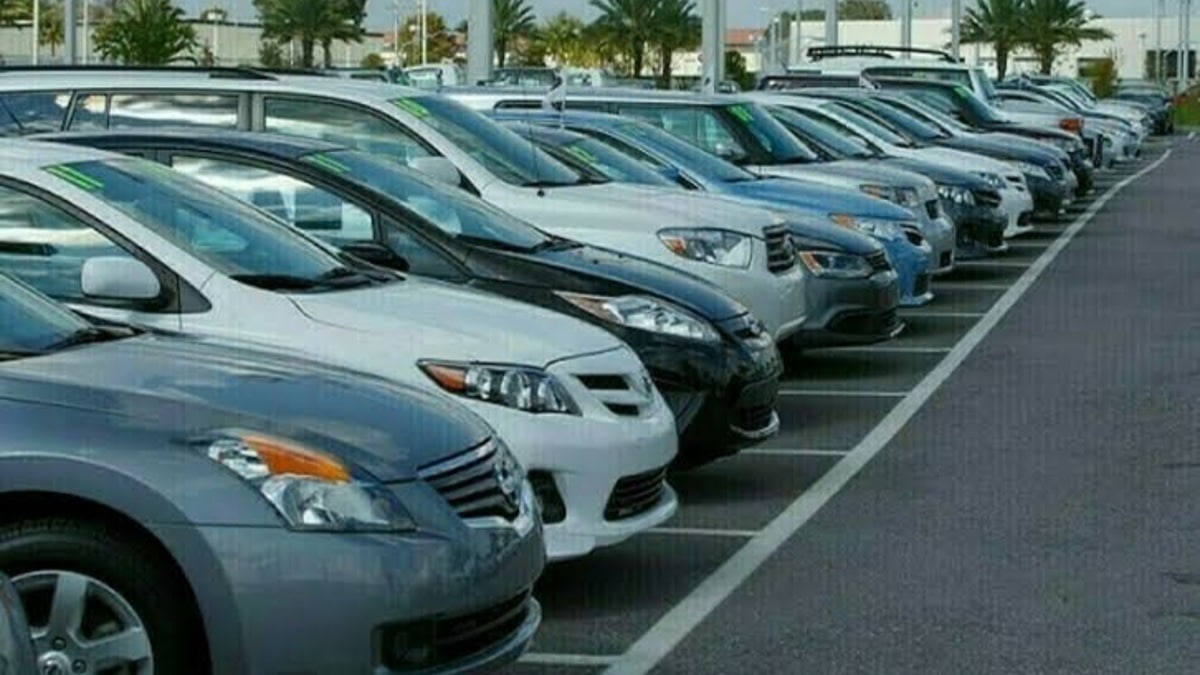
Structural Redesign: The National Tariff Policy
Pakistan’s automotive landscape faces a calibrated structural shift as the federal government prepares to slash import duties. This strategic move aims to recalibrate the domestic market and enhance system efficiency. Consequently, the federal government is redesigning the auto sector\’s duty structure through the National Tariff Policy (NTP), which could cause Pakistan car prices to fall sharply. Commerce Secretary Jawad Paul confirmed that fully implementing the NTP would reduce customs duties on cars and jeeps by 25-50%. This reform aims to lower the maximum tariff ceiling from 156% to a baseline of 74%, potentially revolutionizing vehicle affordability across the nation.
The Translation: Decoding the Duty Reductions
The government is executing a multi-year roadmap to align the auto sector with international trade standards. By reducing the “tariff wall,” the state incentivizes market competition rather than protecting stagnant domestic monopolies. The primary metrics of this shift include:
- Maximum Tariff Reduction: A drop from 156% to 74%.
- Direct Duty Cuts: Customs duties on finished vehicles and parts will decrease by 25% to 50%.
- Revenue Impact: An estimated adjustment of Rs. 143.4 billion in government revenue to support consumer relief.
Furthermore, the Commerce Secretary clarified that the second-year reforms involve cuts across thousands of tariff lines. This systemic overhaul ensures that duties on most vehicle categories will gradually decline, providing a predictable baseline for future buyers.
How NTP Reforms Will Lower Pakistan Car Prices
The proposed changes represent a catalyst for broader economic accessibility. Currently, the high cost of entry for vehicle ownership stifles mobility for the middle class. By lowering these barriers, the government facilitates a more fluid economy. However, this transition remains under scrutiny. The International Monetary Fund (IMF) has raised concerns regarding the speed of these reductions and their impact on the national budget. Despite these frictions, the government is moving forward as the current auto policy is set to expire on June 30.
The Socio-Economic Impact
For the average Pakistani citizen, these reforms could be the difference between relying on public transport and owning a private vehicle. Pakistan car prices have historically been inflated due to protectionist taxes. This shift empowers urban professionals and rural entrepreneurs by lowering transportation costs. Conversely, local assemblers must now innovate rapidly. The influx of more affordable imports will force domestic manufacturers to improve quality and pricing to remain viable in a competitive market.
The Forward Path: A Momentum Shift
We categorize this development as a Momentum Shift. While the immediate revenue loss of Rs. 143.4 billion is significant, the long-term gains in market efficiency and consumer purchasing power are vital for national advancement. The government must balance IMF requirements with the necessity of making the auto sector sustainable. This transition from a protected market to a competitive one is a necessary step toward a modernized economy. Precision in legislative approval before the June 30 deadline will be critical to ensuring these benefits reach the public.








