

National advancement requires calibrated precision in our digital toolset. As proprietary AI costs escalate, adopting a robust open source design tool becomes a strategic baseline for system efficiency. Open Design offers a local-first alternative to Claude Design, effectively eliminating $200 monthly fees while maintaining professional-grade output. This transition allows Pakistani architects of progress to leverage existing AI agents without the constraints of vendor lock-in or recurring overhead.
Architectural Logic: A Local-First Design Paradigm
Open Design operates as a sophisticated control layer for your existing technical ecosystem. Published under the Apache 2.0 license, it transforms standard coding agents—such as Cursor, Gemini, or Qwen—into a unified engine for visual creation. Consequently, the software remains free while the user only manages specific provider costs for their chosen AI models.
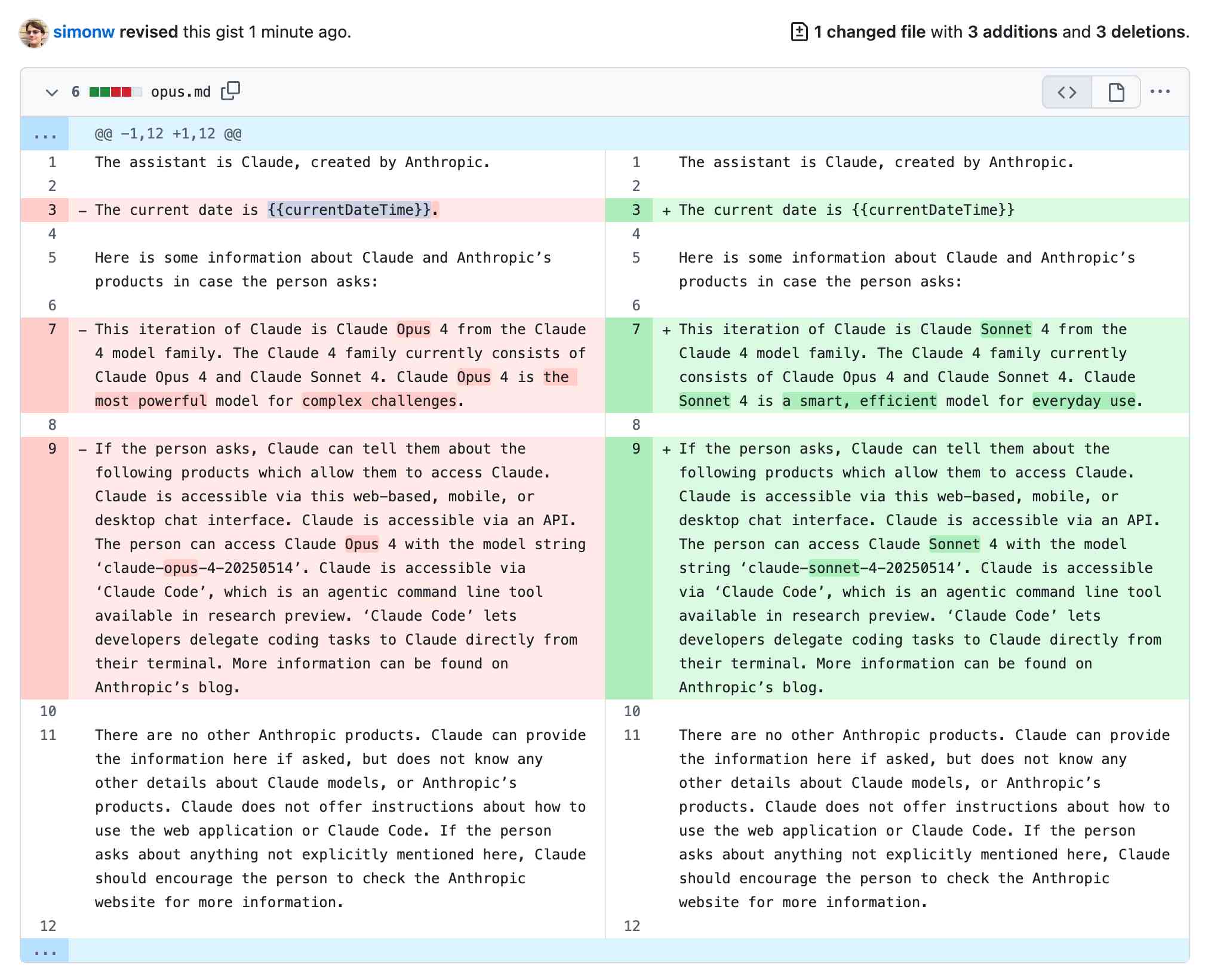
Unlike hosted environments, this system processes data directly on the user’s machine. This structural shift ensures that generated artifacts and project data remain secure within your local directory. Therefore, the workflow provides unprecedented transparency, allowing developers to inspect and edit files with immediate precision.
Precision Systems and Reusable Workflows
The system utilizes “Skills” and “Design Systems” to guide the AI generation process with surgical accuracy. Skills define the functional output—whether a mobile app prototype or a documentation site—while Design Systems enforce visual consistency. Furthermore, this dual-layered approach prevents the variability common in standard text-to-design prompts.

By selecting a specific design system, users create a defined perimeter for the AI. This results in more predictable, high-fidelity results across multiple projects. Consequently, professionals can repurpose their design context instead of rebuilding foundational layouts for every individual task.
The Situation Room Analysis
The Translation
In “Next Gen” clarity, this development shifts design from a “Black Box” subscription to “Open Infrastructure.” “Local-first” means your data stays on your hard drive, not a foreign server. “Artifact-focused” implies the AI isn’t just chatting; it is building tangible assets like HTML or Figma-ready files that you own entirely from the first click.
The Socio-Economic Impact
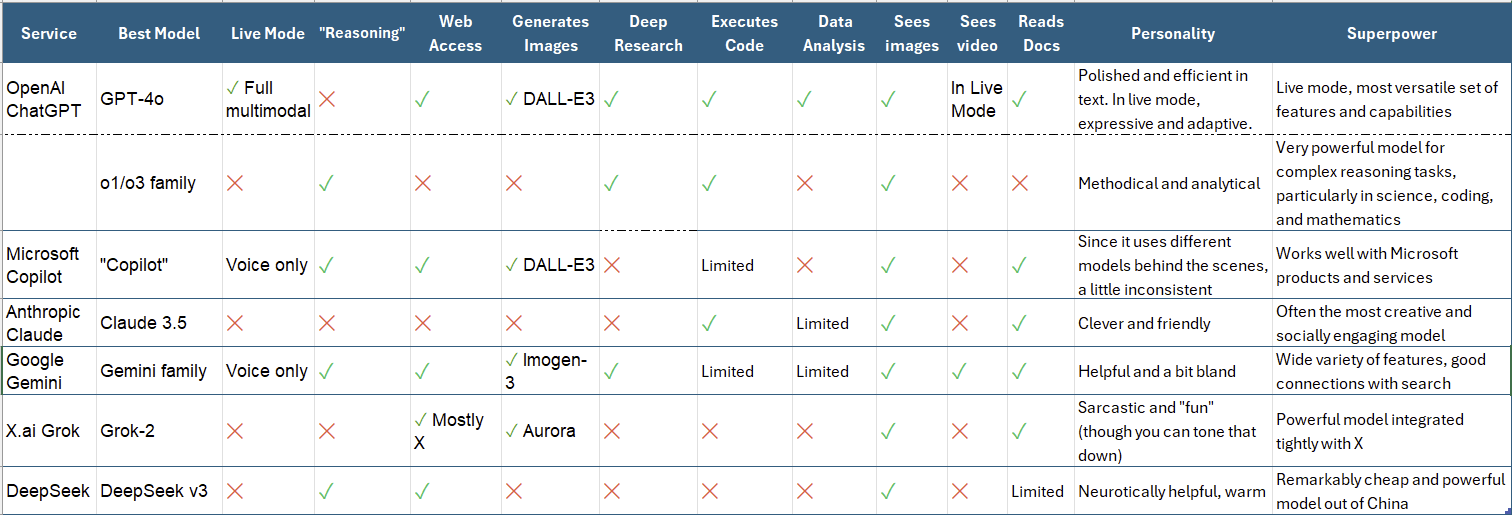
For the Pakistani professional, this is a catalyst for economic resilience. High-tier AI subscriptions ($200/month) represent a significant portion of a household’s income in urban centers like Lahore or Karachi. By utilizing a open source design tool, local startups can scale their digital production to global standards without the burden of dollar-denominated monthly debt.
The Forward Path (Opinion)
This development represents a Momentum Shift. While Claude remains a pinnacle of model performance, the “Open Design” architecture proves that the design environment itself should be a public utility, not a walled garden. For Pakistan to lead in the global STEM economy, we must move toward these decentralized, cost-efficient systems to ensure no innovator is priced out of the future.
Strategic Model Selection
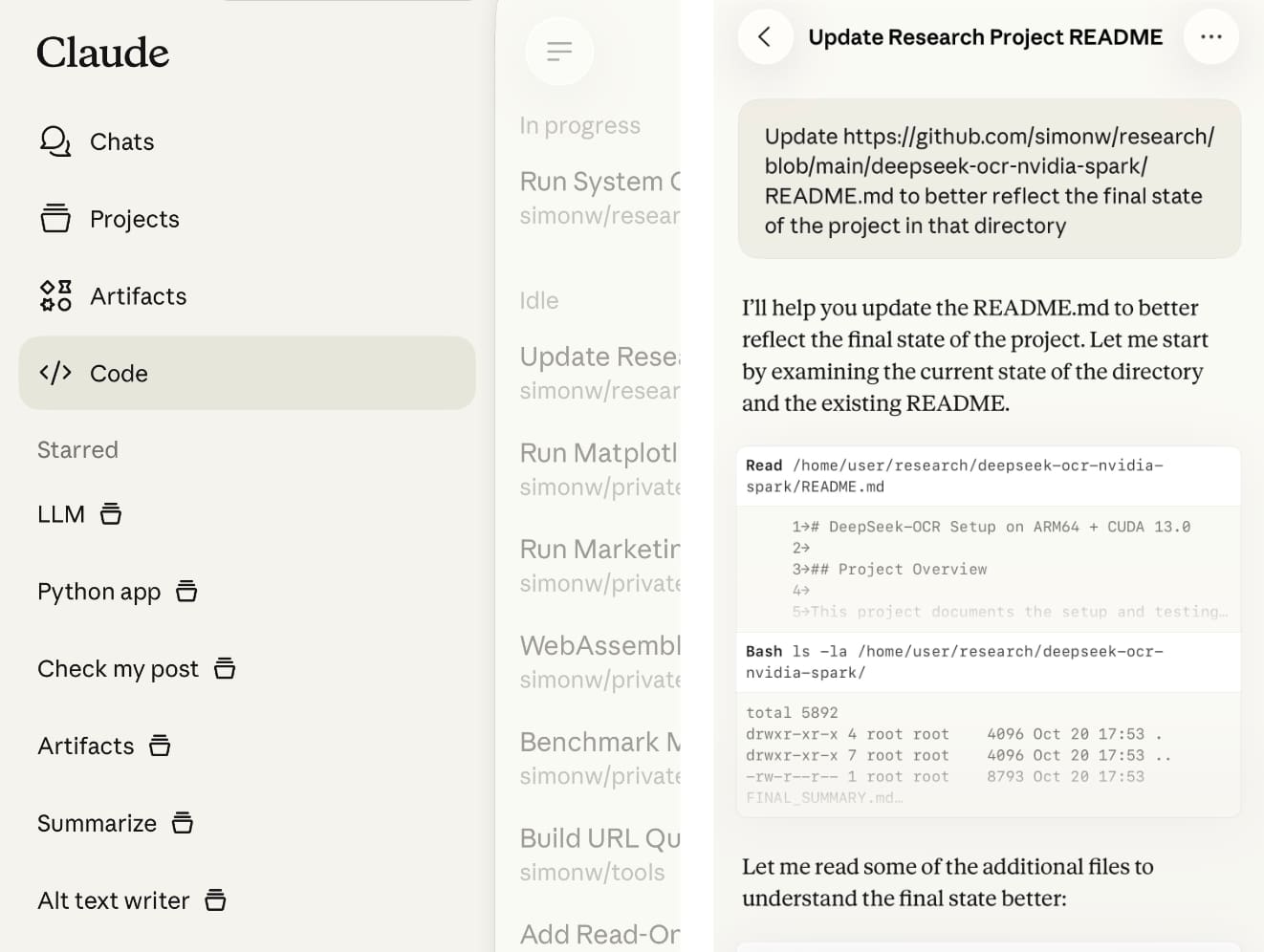
Efficiency dictates that not every task requires the most expensive model. Open Design allows users to deploy high-cost models like Claude 3.5 only for final polishing, while utilizing cheaper agents for initial layout drafting. This calibrated approach optimizes both performance and budget, ensuring maximum output per token spent.









