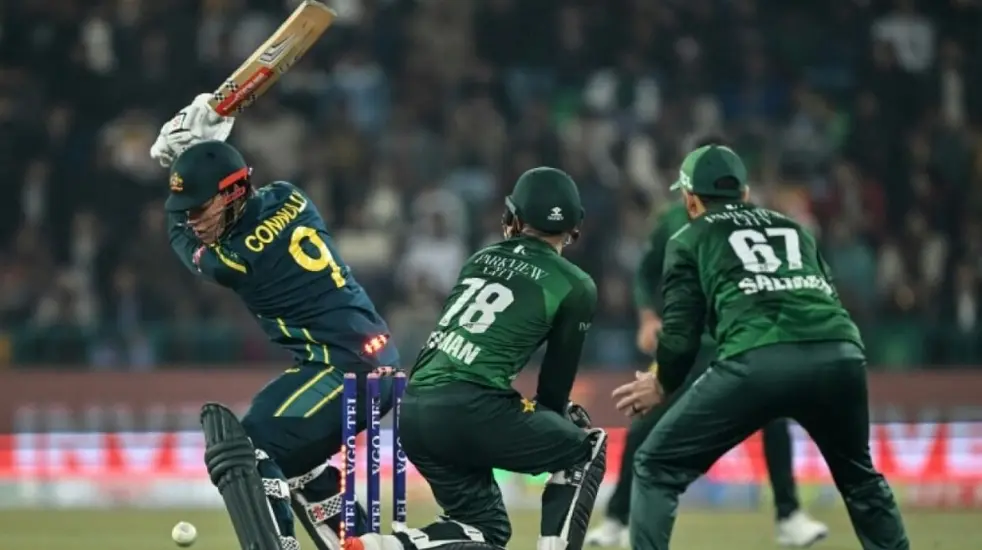
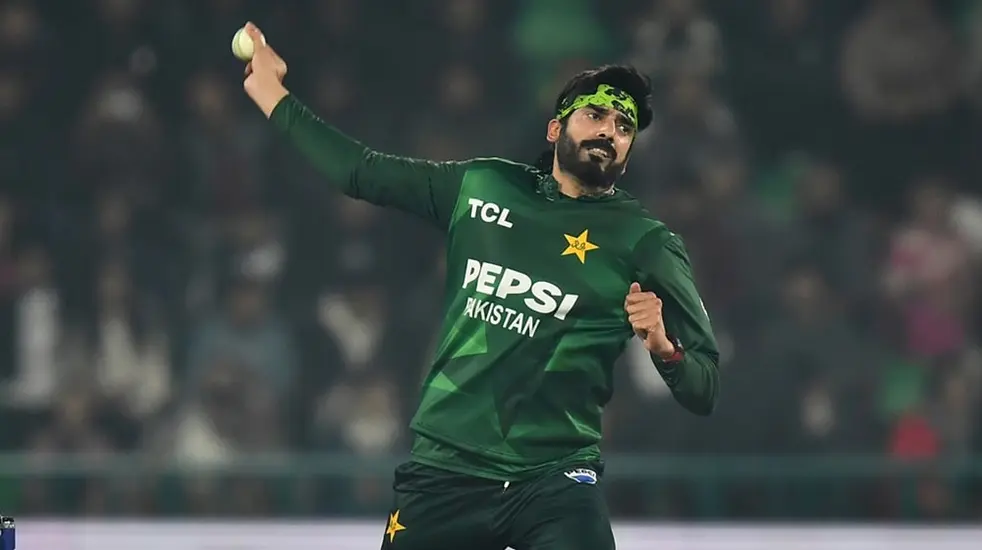
The integrity of a professional league relies on calibrated administrative frameworks. Recent developments surrounding the Muzarabani PSL ban highlight a critical friction point between verbal agreements and formal legal obligations. Zimbabwean pacer Blessing Muzarabani has officially responded to his two-year suspension from the Pakistan Super League (PSL), asserting that he never received a formal contract to breach in the first place.
The Contractual Baseline: Fact vs. Friction
Initially, Islamabad United expected Muzarabani to join their roster for PSL 11. However, the pacer eventually signed with the Kolkata Knight Riders (KKR) in the IPL as a replacement player. This strategic shift triggered a disciplinary response from the PSL governing body. Consequently, his legal representatives broke a six-week silence to address the escalating social media criticism.

According to the official statement, an agreement was reached on February 13, yet it remained contingent on a No Objection Certificate (NOC) from Zimbabwe Cricket. His camp argues that this clearance requires a formal contract, which the league allegedly failed to provide by the February 27 deadline. Because the documentation was incomplete, the player proceeded with the KKR offer.
The Translation: Legal Nuance vs. League Policy
In technical terms, the Muzarabani PSL ban stems from a disagreement over the definition of “commitment.” While the PSL views a draft selection or a verbal agreement as a binding catalyst for participation, the player’s camp operates on a precision-based legal baseline. They contend that without a signed employment contract, no “breach” is structurally possible.
- Draft Status: The player was not formally selected through the standard auction process.
- Documentation Gap: No formal employment contract was issued by the franchise or the league.
- NOC Deadlock: Zimbabwe Cricket requires a finalized contract to authorize player participation.
The Socio-Economic Impact: What This Means for Pakistan
This development impacts the perception of Pakistan’s premier sporting brand among international professionals. For the Pakistani citizen, this is not merely a sports dispute; it is a lesson in systemic efficiency. When administrative delays occur, the nation loses the opportunity to showcase global talent on local soil.
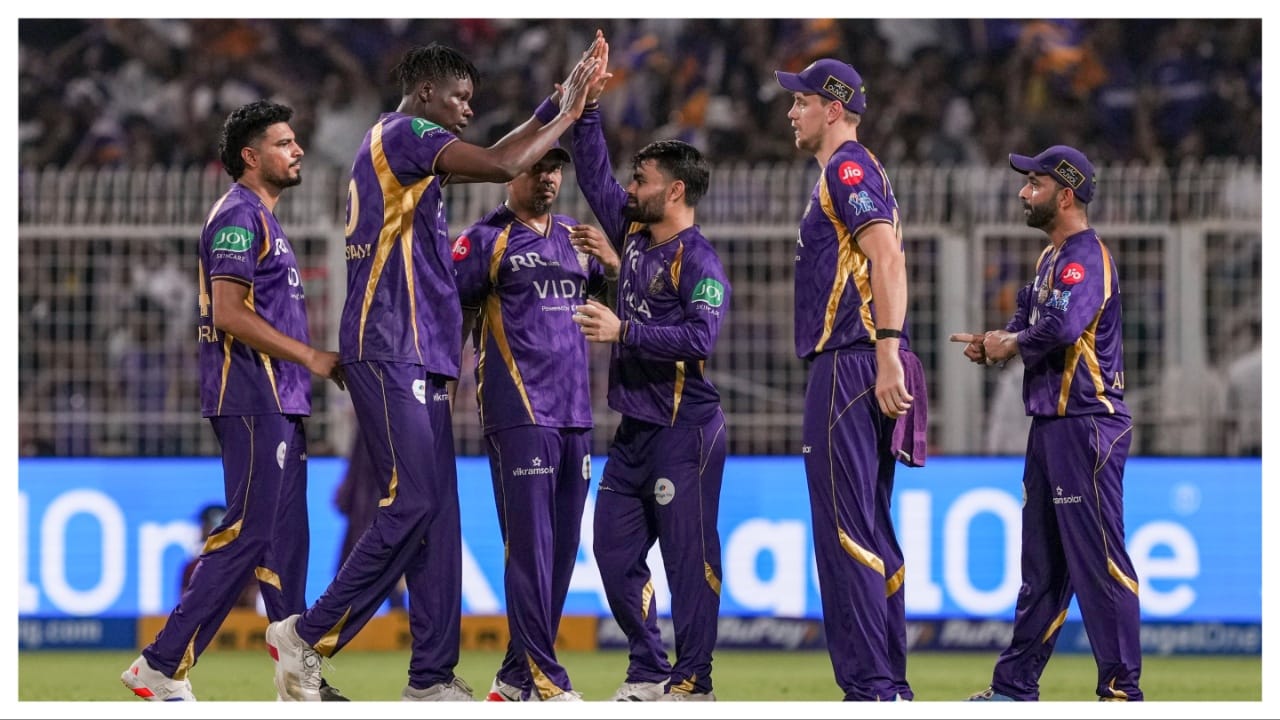
Furthermore, the economic disparity between the IPL and PSL remains a strategic hurdle. If the PSL intends to compete for elite talent, its administrative precision must match its ambitions. Households that look forward to seeing international stars are the ultimate stakeholders affected by these procedural malfunctions.
The Forward Path: A Stabilization Move
From a strategic perspective, this situation represents a Stabilization Move rather than a momentum shift. The PSL is currently testing the limits of its disciplinary authority to maintain league discipline. However, to foster long-term progress, the league must refine its administrative protocols to ensure no player is left in a “contractual vacuum.”
Ultimately, the representatives have labeled the two-year ban as excessive, urging the league to recognize the situation as an administrative error. Moving forward, the PSL must prioritize the digitizing and accelerating of contract workflows to prevent future talent drains to competing leagues.