

The successful transit of a Qatari LNG tanker through the Strait of Hormuz marks a calibrated shift in regional energy logistics. As global markets monitor the volatile energy corridor, Pakistan prepares to receive the Fuwairit, a vessel carrying critical fuel loads. This development signals a strategic recovery in maritime supply chains, ensuring the baseline stability of the national power grid during high-demand cycles. Consequently, the arrival of this cargo serves as a catalyst for maintaining industrial momentum despite regional geopolitical friction.
Securing the Energy Corridor: The Qatari LNG Tanker Voyage
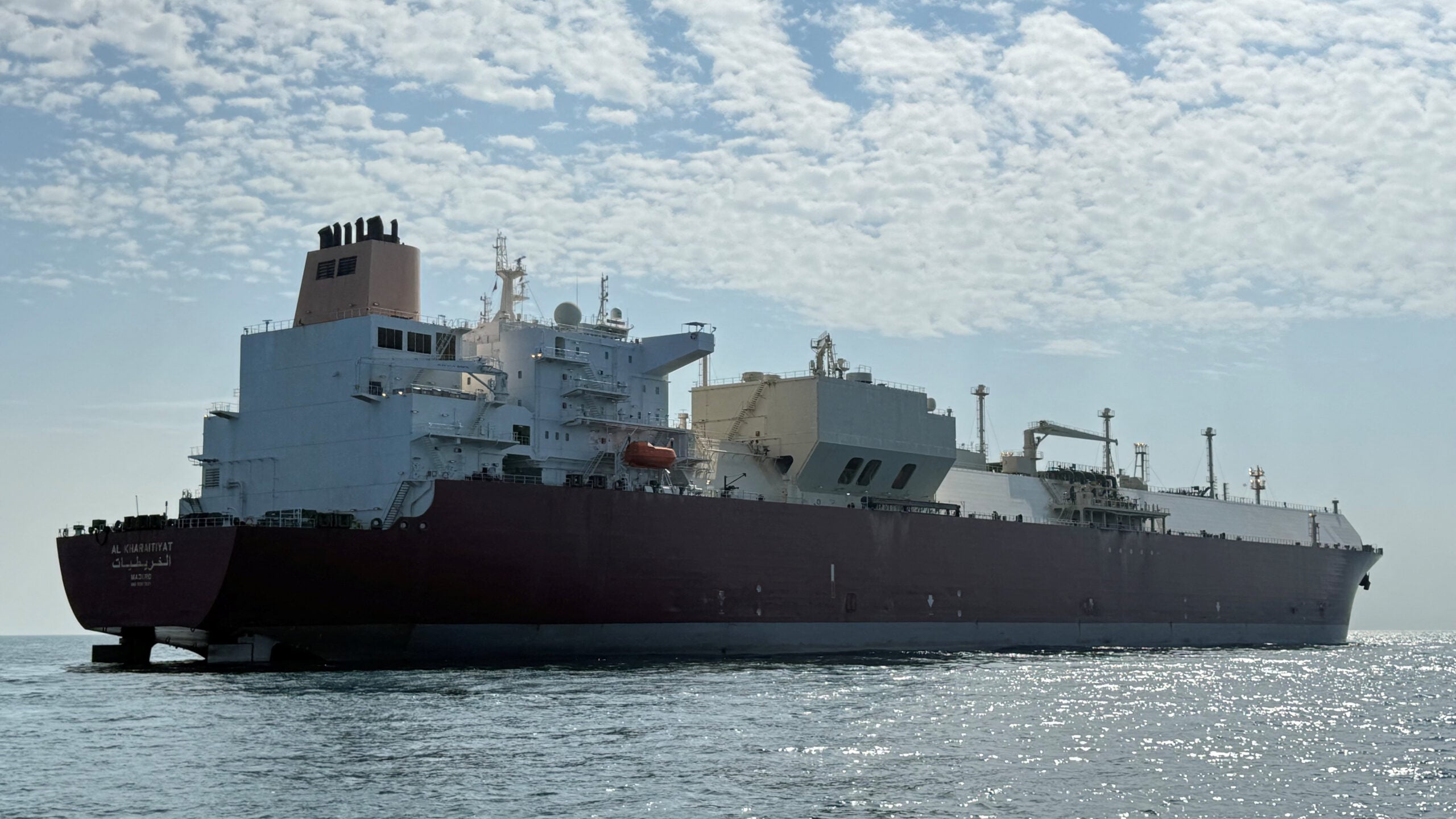
The LNG tanker Fuwairit, owned by Japan’s Mitsui O.S.K. Lines, successfully crossed the Strait of Hormuz on Monday. Strategically, this vessel represents one of the few energy carriers to navigate the Gulf recently, having loaded its cargo at Qatar’s Ras Laffan terminal in late March. Data indicates that the ship will discharge its liquefied natural gas in Pakistan by Tuesday. This movement is a vital component of the Pakistan energy security framework, specifically addressing the peak summer cooling requirements.
Analyzing the Strategic Significance of the Strait of Hormuz
The Strait of Hormuz remains a structural chokepoint for the global economy, typically handling 20% of the world’s oil and LNG trade. Recent conflicts have reduced daily maritime traffic from 140 vessels to a significantly lower baseline, leaving thousands of seafarers in a state of suspended transit. However, the movement of the Qatari LNG tanker alongside China-bound vessels suggests that established energy trade routes are beginning to stabilize. Industry observers view these calibrated movements as a precision response to the urgent demand for energy diversification in Asia.
The Situation Room Analysis
The Translation: Breaking Down the Logistics
In technical terms, the successful transit of the Fuwairit bypasses the “risk premium” currently associated with the Gulf. When we talk about “energy chokepoints,” we are describing geographical bottlenecks where a single disruption can halt a nation’s fuel supply. By navigating this passage, the cargo avoids the logistical paralysis that has stranded other carriers. This represents a precision-timed delivery that aligns with the structural needs of Pakistan’s power generation infrastructure.

The Socio-Economic Impact: Daily Life in Pakistan
For the average Pakistani citizen, this shipment translates directly into grid stability. During the intense summer heat, the demand for electricity surges; imported LNG provides the necessary fuel for gas-fired power plants to prevent widespread load-shedding. Furthermore, this liquefied natural gas supply maintains the operational capacity of the textile and manufacturing sectors. By securing this fuel, the state prevents a potential spike in industrial overheads, which helps stabilize the cost of locally produced goods for households.
The Forward Path: Momentum Shift or Stabilization?
This development constitutes a Momentum Shift. While the regional geopolitical climate remains volatile, the resumption of high-value energy shipments indicates a successful recalibration of maritime safety protocols. Pakistan’s ability to secure cargo despite external disruptions demonstrates a resilient procurement strategy. Moving forward, the focus must shift toward expanding domestic storage capacity to transform these precision deliveries into a more robust long-term buffer.








