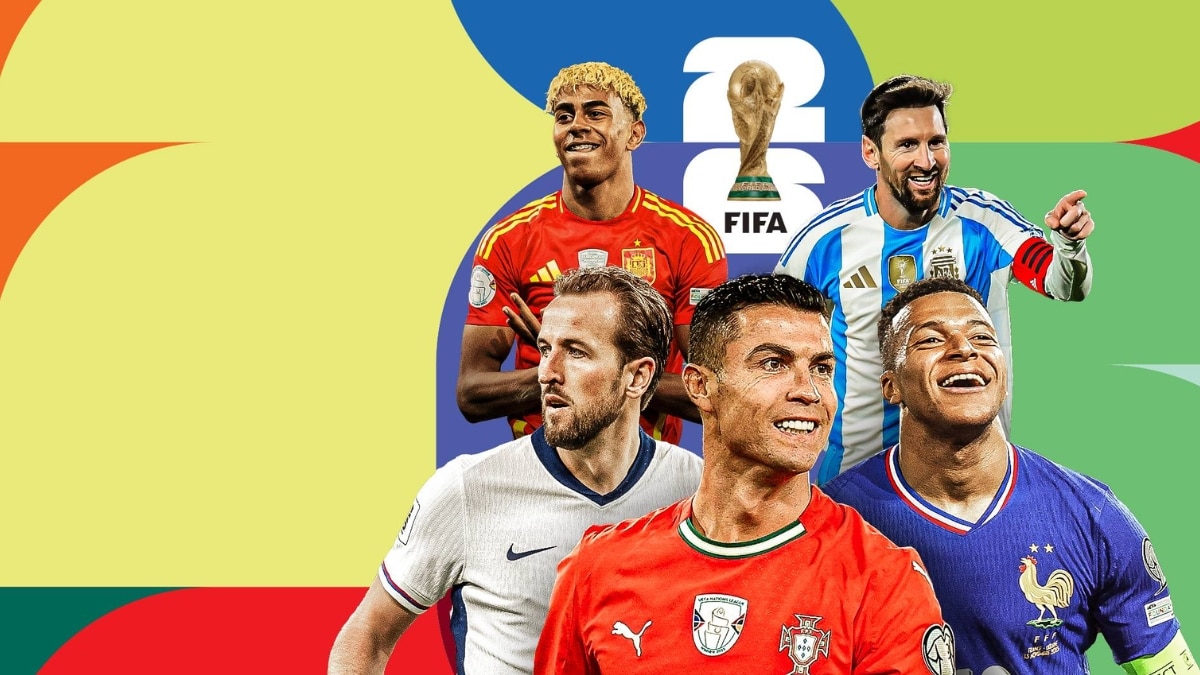
The FIFA World Cup 2026 represents a monumental shift in the architecture of global sports, functioning as a catalyst for international unity and digital expansion. This iteration is the first to feature a calibrated 48-team grid, distributed across the strategic landscapes of the United States, Canada, and Mexico. Consequently, the tournament scales the competitive baseline to an unprecedented level, offering more access to emerging football nations than ever before.
The Opening Strategy: Kick-off Logistics
The inaugural match commenced at the historic Estadio Azteca in Mexico City, featuring a clash between Mexico and South Africa. For the Pakistani audience, this match occurred at 12:00 AM Pakistan Standard Time (PST) on June 12, 2026. Furthermore, the opening ceremony integrated high-precision performances by Shakira and Burna Boy, who delivered the structural anthem "Dai Dai" to a global audience.

How to Watch FIFA World Cup 2026 in Pakistan
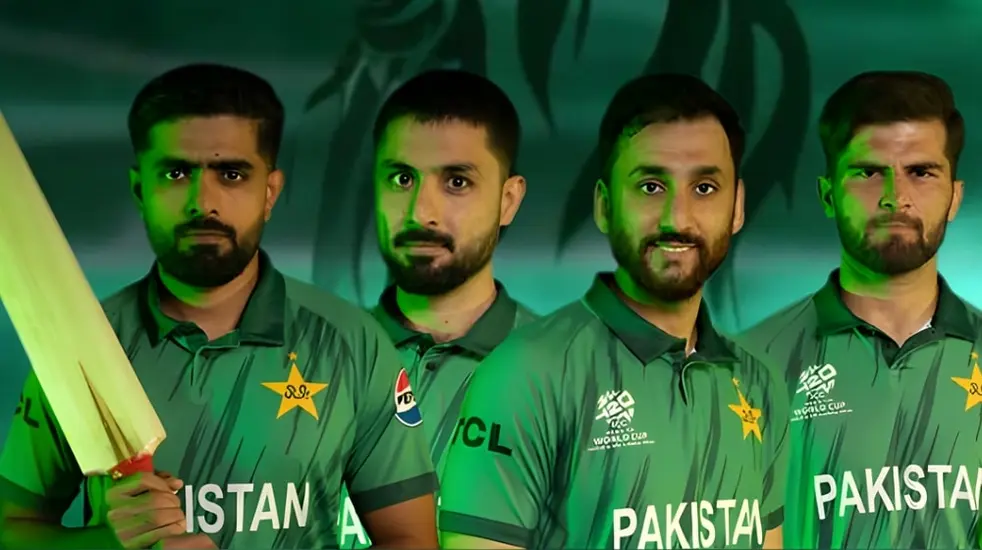
Pakistan has established a robust broadcasting infrastructure for this event. PTV Sports remains the primary linear broadcaster, providing high-definition coverage nationwide. Simultaneously, Tapmad serves as the official digital catalyst, offering precision streaming for mobile users. Citizens can access the tournament via the following strategic channels:
- PTV Sports: Available on all major cable and satellite providers.
- Tapmad Digital: Optimized for iOS, Android, and Web browsers.
| Platform | iOS Access | Android Access | Web Portal |
|---|---|---|---|
| Tapmad | Link | Link | Link |
Regional Broadcasting Systems: India and Bangladesh

In India, Zee Entertainment holds the exclusive media rights, utilizing the ZEE5 platform for digital delivery. Meanwhile, Bangladesh employs a multi-channel approach with Toffee and Bioscope+ leading the digital streaming sector. These platforms ensure that regional fans maintain a high-bandwidth connection to every goal.
Strategic Access in Bangladesh
| Platform | iOS | Android | Website |
|---|---|---|---|
| Toffee | Link | Link | Link |
| Bioscope+ | Link | Link | Link |
The Situation Room: Next Gen Analysis
The Translation
The expansion to 48 teams is not merely a numerical increase; it is a structural reconfiguration of the World Cup format. By moving away from the traditional 32-team model, FIFA has created a broader competitive landscape. This allows more diverse playing styles and technical philosophies to collide, effectively democratizing the world's most popular sport.
The Socio-Economic Impact
For the average Pakistani citizen, this tournament acts as a primary driver for digital literacy and infrastructure adoption. As millions migrate to platforms like Tapmad for live streaming, we observe a surge in high-speed data demand. This shift encourages local ISPs to calibrate their networks for low-latency performance, benefiting the broader digital economy beyond just sports entertainment.
The Forward Path
This development represents a significant Momentum Shift. The 2026 edition proves that a multi-host, expanded format is logistically viable. For Pakistan, the consistent broadcasting through state and private partnerships reflects a stabilization of our local media market, ensuring our youth remain connected to global excellence.
Global Broadcasting Map
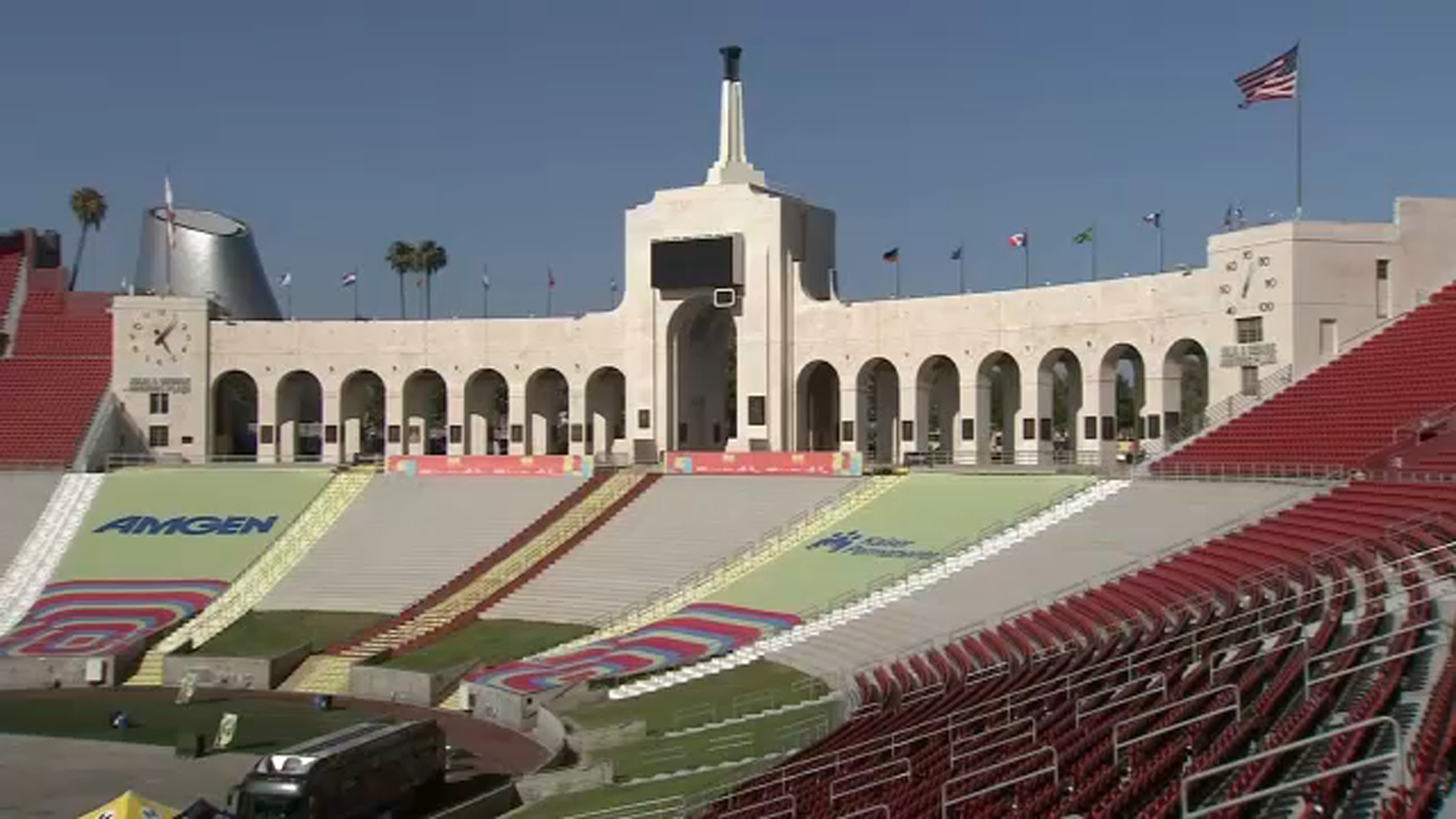
The global distribution of media rights for the FIFA World Cup 2026 is comprehensive. Below is a calibrated list of primary broadcasters by territory:
- United Kingdom: BBC, ITV, STV
- United States: Fox Sports (English), Telemundo (Spanish)
- MENA Region: beIN Sports
- Australia: SBS On Demand
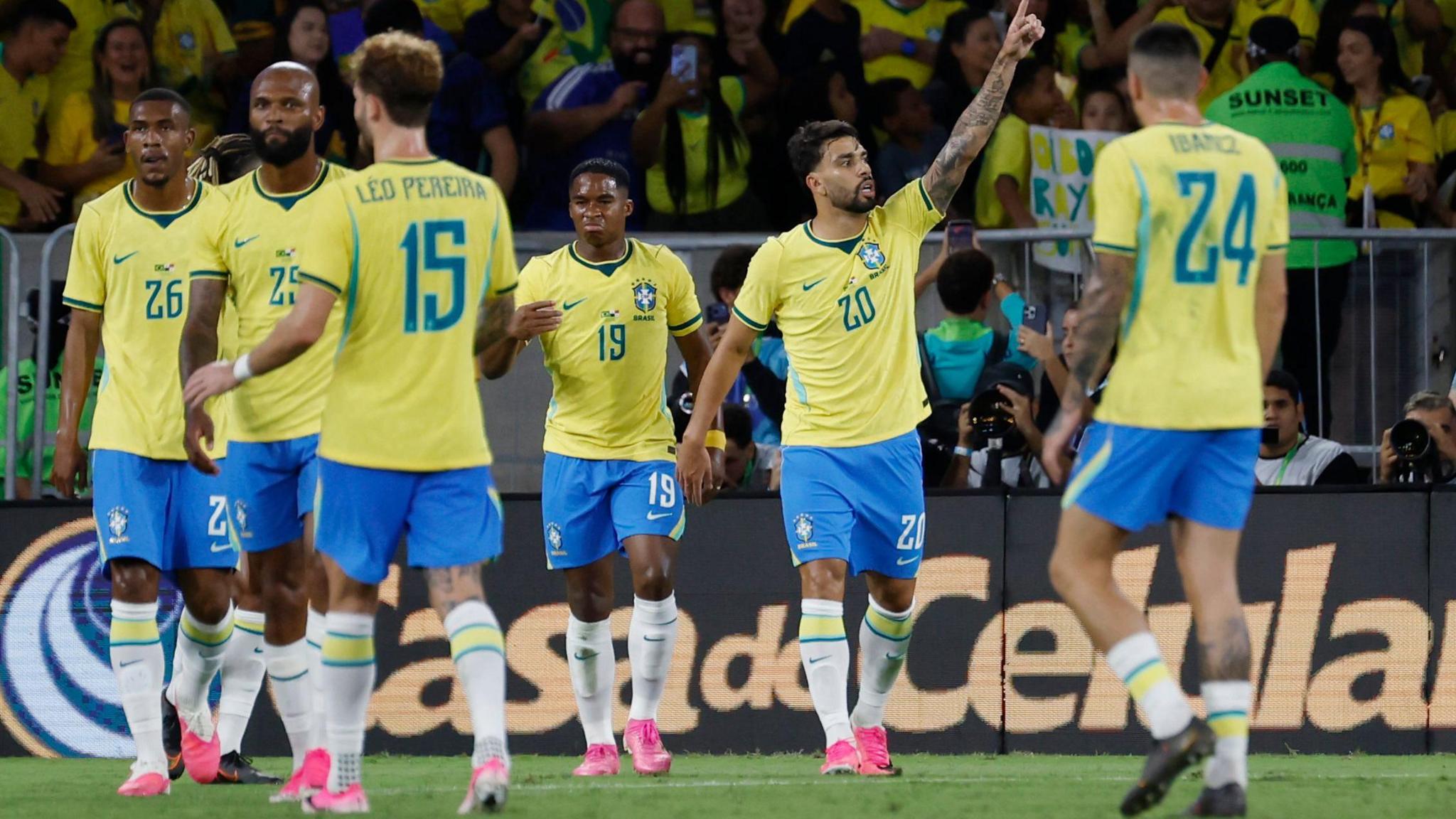
- Brazil: Grupo Globo, CazéTV
- Germany: ARD, ZDF, Magenta Sport
- France: M6, beIN Sports
Tournament Architecture: Group Distribution
The structural layout of the 12 groups ensures a high-density match schedule. This calibrated arrangement facilitates 104 matches over the course of the tournament, culminating in the final at the New York New Jersey Stadium.
| Group A | Mexico, South Africa, South Korea, Czechia |
| Group B | Canada, Bosnia & Herzegovina, Qatar, Switzerland |
| Group C | Brazil, Morocco, Haiti, Scotland |
| Group D | USA, Paraguay, Australia, Türkiye |
| Group I | France, Senegal, Iraq, Norway |
| Group J | Argentina, Algeria, Austria, Jordan |