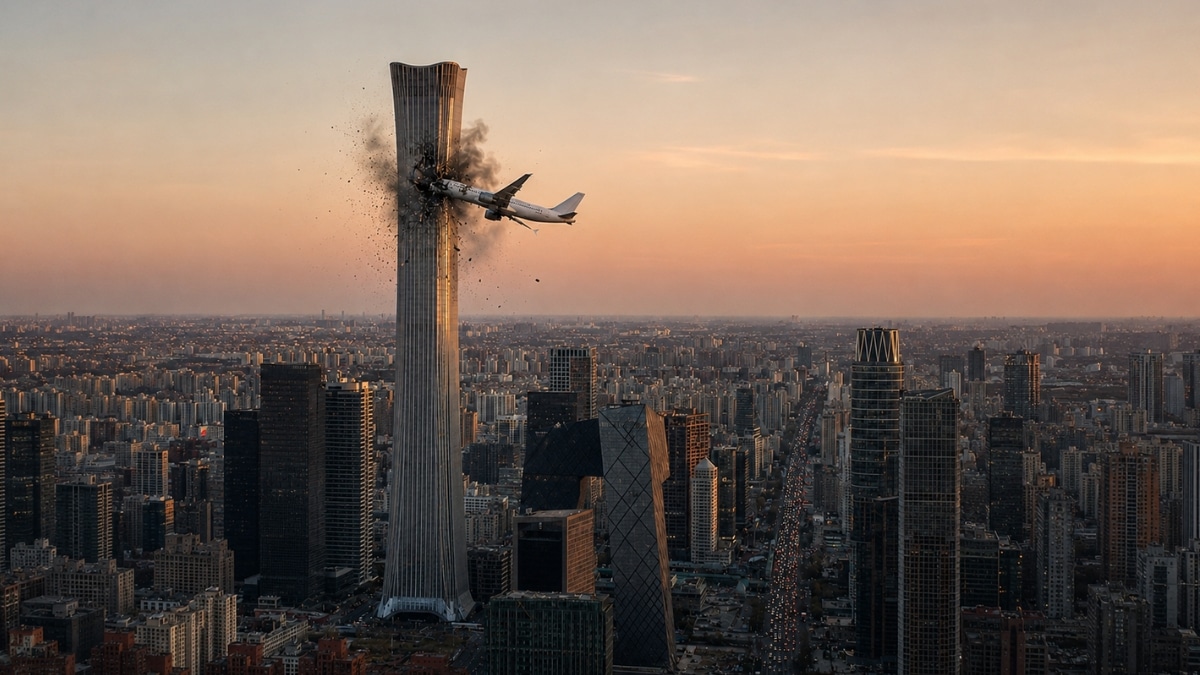
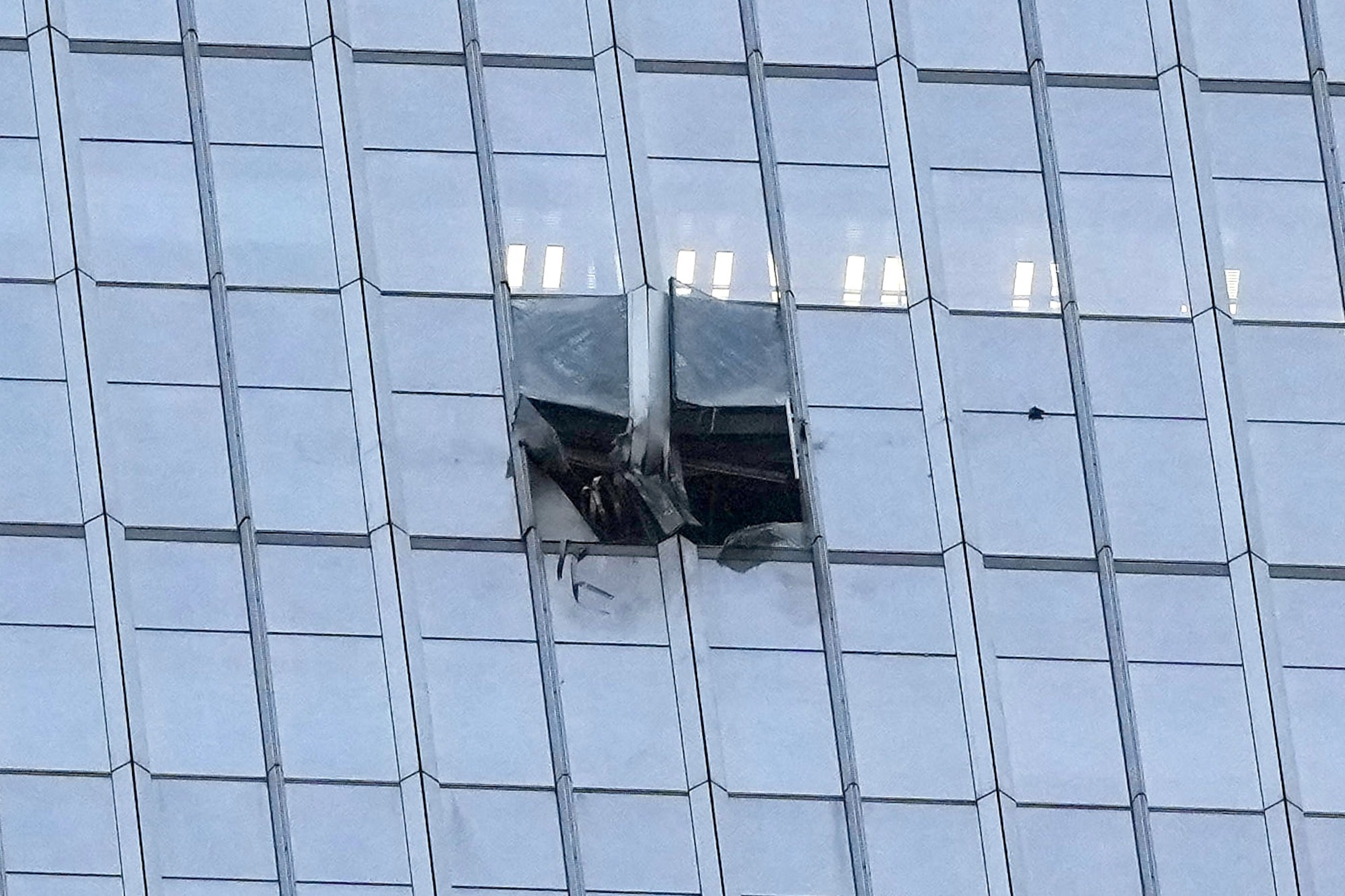
The recent CITIC Tower Crash serves as a critical baseline for evaluating the structural resilience of modern megastructures against localized aviation impacts. On Friday evening, a small aircraft—estimated to be the size of a standard vehicle—collided with Beijing’s tallest building, causing visible damage to the 108-storey glass facade. This incident highlights a significant precision gap in urban airspace management within one of the world’s most monitored business districts.
Structural Impact and Response Calibration
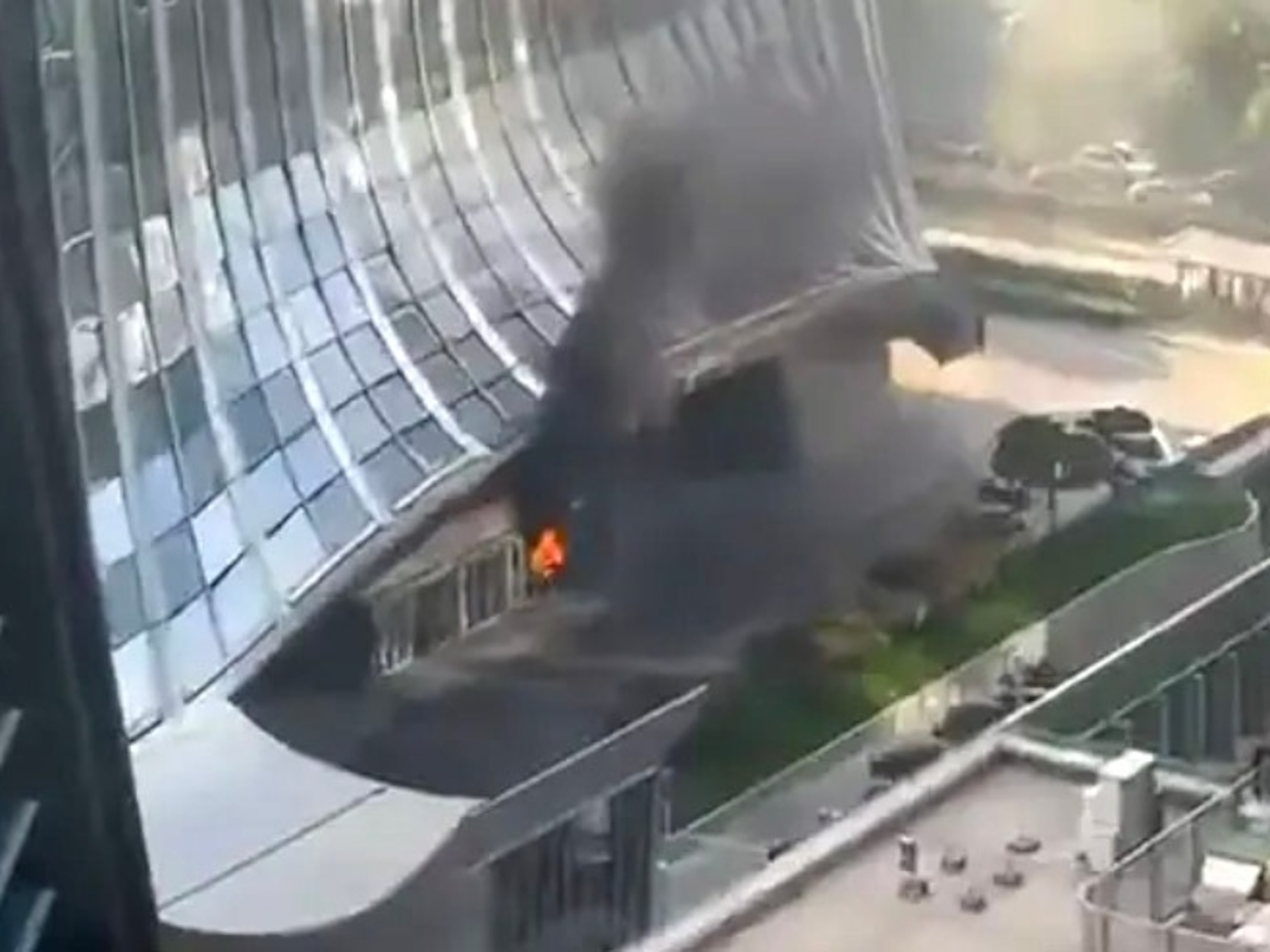
Witnesses near the central business district reported a powerful impact sound, far exceeding the decibel levels of standard fireworks. Consequently, Beijing police immediately activated security protocols, closing adjacent roads and cordoning off the CITIC Group headquarters. Emergency responders, including dozens of fire engines, calibrated their positions around the skyscraper to manage potential debris or fire hazards. Despite the visual evidence of broken glass panels on the upper floors, official statements regarding the flight’s origin remain unavailable.
Data Suppression and Information Flow
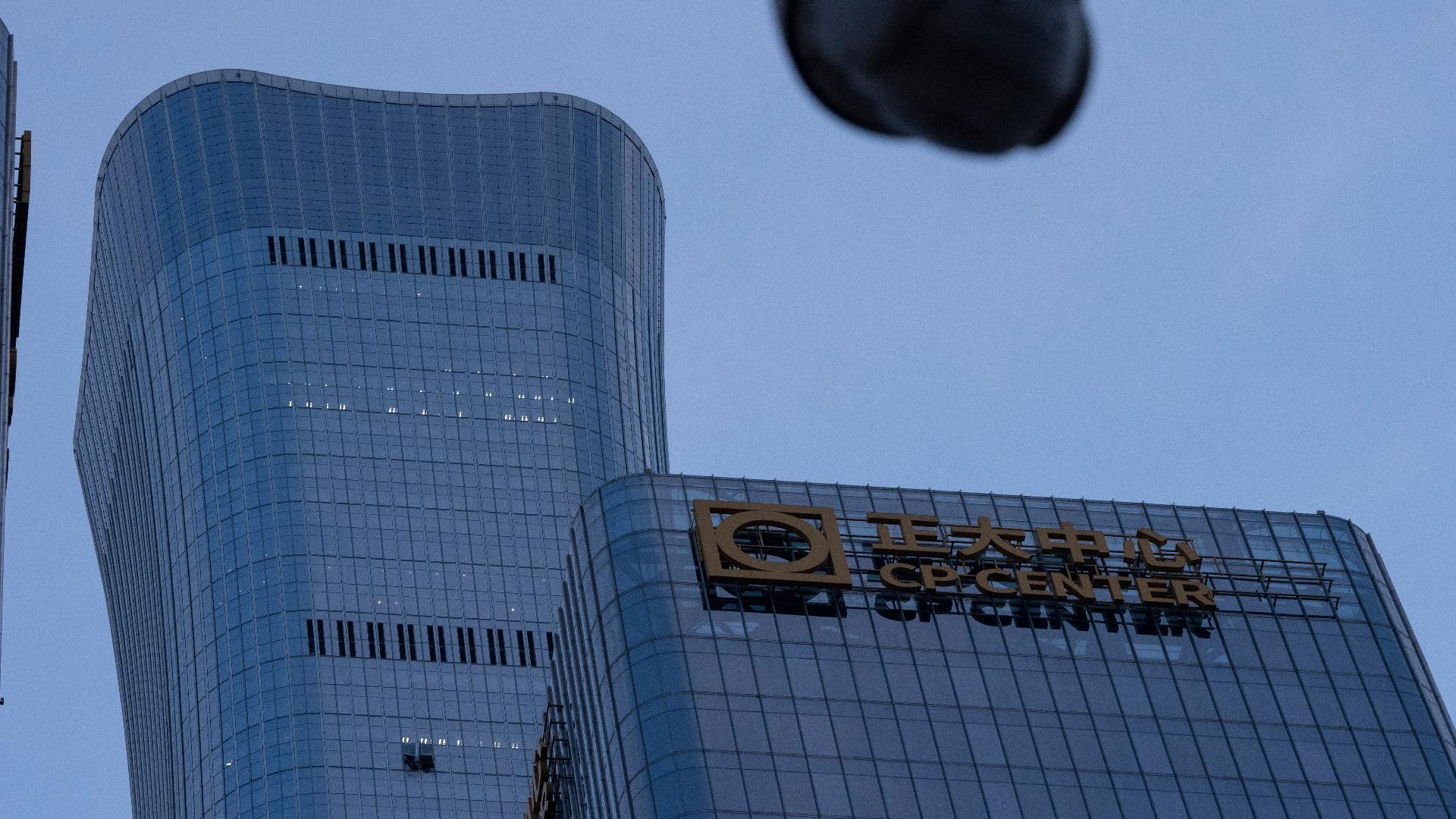
Authorities strictly restricted photography at the site, directing bystanders to delete recorded footage of the wreckage. Furthermore, digital mentions of the CITIC Tower Crash began disappearing from social media platforms like Xiaohongshu within hours. This strategic control of information suggests a high-level sensitivity regarding the vulnerability of state-owned architectural assets. Technical data on the aircraft type and mechanical failure remains speculative until a formal investigative report emerges.
The Situation Room: Analysis
The Translation (Clear Context)
While a “crash” often implies a catastrophic failure, this specific event involved a low-mass aircraft striking a reinforced high-rise. Modern skyscrapers like the CITIC Tower (China Zun) use advanced curtain-wall systems designed to withstand high-velocity wind loads. Therefore, the “damage” reported is likely localized to the aesthetic glass envelope rather than the core structural steel. This event tests the logic of “Geofencing” technology, which should theoretically prevent unauthorized aircraft from entering such restricted airspace.
The Socio-Economic Impact
This incident resonates deeply with Pakistani urban planners and professionals in Karachi and Islamabad, where high-rise development is accelerating. It underscores the necessity for:
- System Efficiency: Implementing robust low-altitude tracking for private and commercial drones or small planes.
- Safety Standards: Upgrading building codes to include impact-resistant glazing in high-density zones.
- Insurance Premiums: Potential increases in commercial property insurance for Pakistani businesses operating in skyscrapers.
The Forward Path (Opinion)
We categorize this development as a Stabilization Move. While the impact itself is a setback, the rapid structural containment and security response indicate that Beijing’s emergency systems were ready for a localized crisis. For the global STEM community, this is a catalyst to accelerate the deployment of autonomous “Detect and Avoid” systems in urban aviation. The engineering goal must shift from simple resilience to active prevention.
Via: Reuters