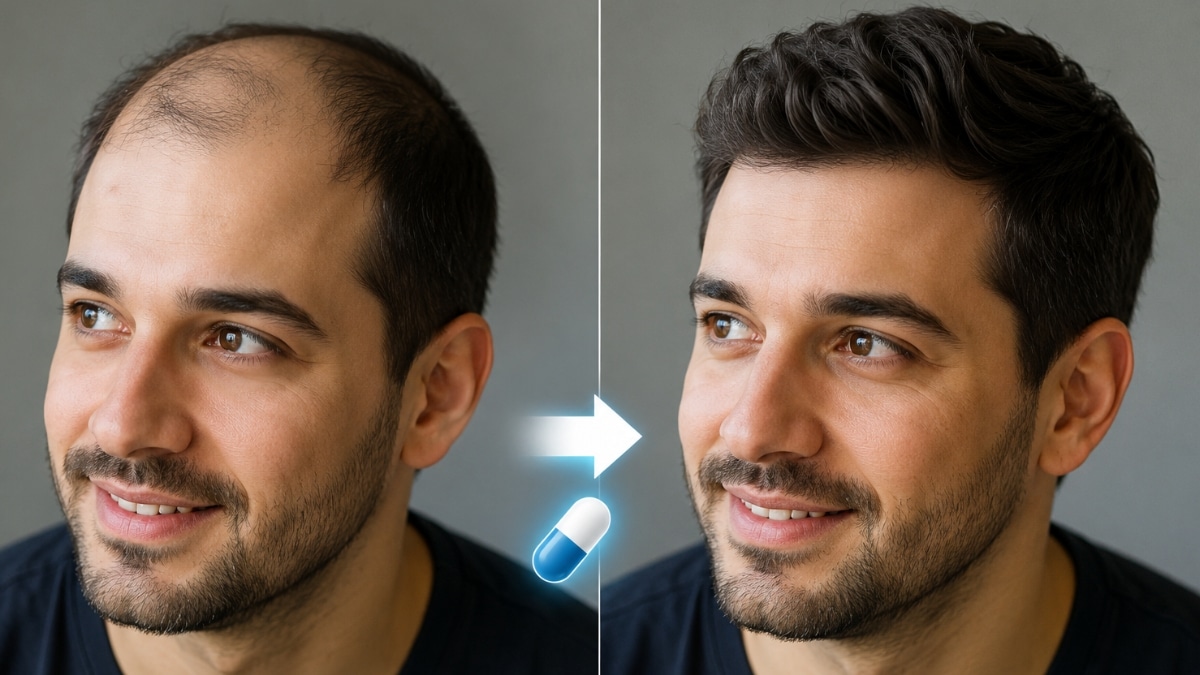
The pharmaceutical architecture of dermatology is undergoing a precision recalibration. A new hair loss pill, known as VDPHL01, has demonstrated exceptional efficacy in late-stage clinical trials, with 86% of participants reporting significant hair recovery. Developed by Veradermics, this experimental treatment serves as a calibrated, extended-release version of oral minoxidil, targeting the structural root of androgenetic alopecia.
Establishing the Clinical Baseline: The Trial Parameters
The Phase 2/3 trial utilized a rigorous, double-blind methodology to ensure data integrity. Researchers enrolled 519 men exhibiting mild-to-moderate pattern hair loss. Consequently, they partitioned the participants into three distinct cohorts to measure the catalyst effect of varying dosages.
- Cohort A: Received a 8.5mg dose once daily.
- Cohort B: Received a 8.5mg dose twice daily.
- Cohort C: Received a placebo baseline.
Veradermics confirmed that the drug met all primary and secondary endpoints. This data suggests a strategic advancement over existing topical treatments, which often suffer from low patient compliance.
Quantifying Results: Hair Density and Coverage
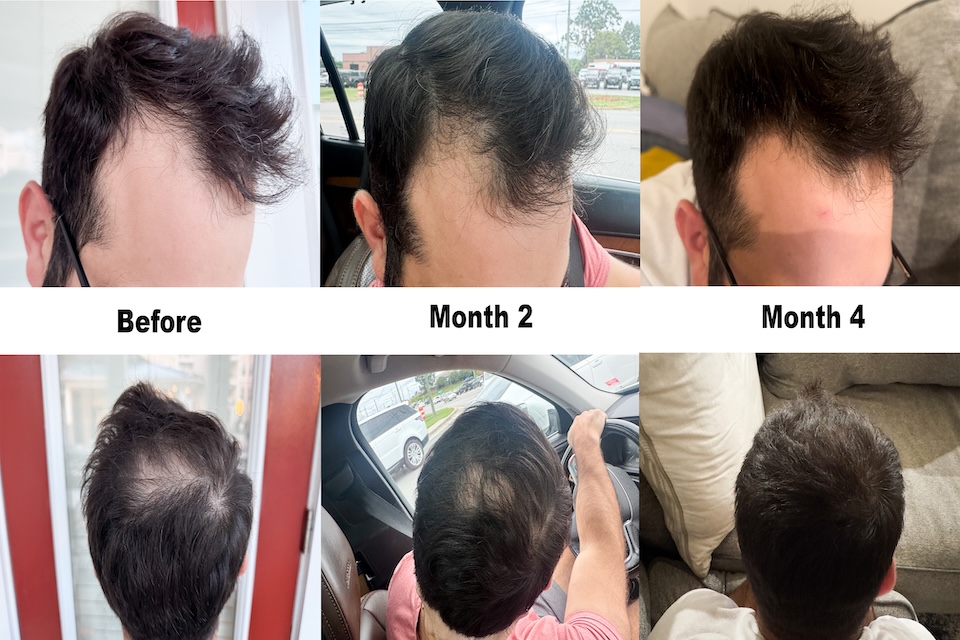
Precision measurement of non-vellus hairs—the thick, visible strands—provided the primary metric for success. After a six-month duration, the results showcased a stark divergence from the placebo group. Men taking the new hair loss pill twice daily gained an average of 33 hairs per square centimetre. In contrast, the placebo group only recorded a marginal increase of 7.3 hairs.
Furthermore, participant self-assessments mirrored these objective findings. Approximately 86% of the twice-daily group noticed visible improvements in scalp coverage. Even when applying stricter “much improved” criteria, over 62% of high-dose users surpassed the threshold, establishing a new performance benchmark for non-hormonal treatments.

Structural Breakthroughs: The Science Behind the New Hair Loss Pill
VDPHL01 does not rely on a novel chemical compound but rather a structural innovation in delivery. Traditional oral minoxidil, originally a blood pressure medication, clears the system rapidly. However, the new hair loss pill utilizes a proprietary gel matrix to release the active ingredient gradually.
This extended-release mechanism ensures a steady concentration in the bloodstream. Consequently, hair follicles receive sustained exposure while avoiding the sharp peaks that typically trigger cardiovascular side effects. This calibrated approach maximizes follicle stimulation while maintaining a high safety profile.

Safety Protocols and Preliminary Risk Assessment
Patient safety remained a central focus throughout the six-month observation period. Veradermics reported that adverse events were statistically similar between the drug and placebo groups. Specifically, no serious cardiac events occurred during the study. Some participants experienced peripheral oedema (5.3%–6.3%) or hypertrichosis, yet discontinuation rates remained exceptionally low at 1%.
The Situation Room: Strategic Analysis
The Translation
Essentially, Veradermics has “hacked” a well-known drug by slowing down how the body processes it. By turning minoxidil into a slow-release tablet, they have created a more potent tool that works longer on the scalp without overwhelming the heart. It’s a move from blunt-force medicine to precision engineering.
The Socio-Economic Impact
In Pakistan, where appearance often influences professional confidence and social standing, a reliable new hair loss pill represents more than just vanity. For young professionals in urban centers like Karachi or Lahore, this treatment could reduce the psychological burden of premature aging, potentially boosting workplace participation and mental well-being. Furthermore, it offers a non-hormonal alternative, which is critical for those wary of the side effects associated with current standard treatments.
The Forward Path
This development is a definitive Momentum Shift. While we await full FDA approval and 12-month data, the Phase 3 results expected in 2026 will likely solidify VDPHL01 as the first non-hormonal oral standard for both men and women. For Pakistan’s pharmaceutical importers, this should be on the radar as a high-demand baseline for the next decade.