
Spain’s advancement to the FIFA World Cup final represents more than a sporting victory; it is a calibrated masterclass in structural discipline and tactical efficiency. Following a decisive 2-0 victory over France at Dallas Stadium, La Roja successfully ended a sixteen-year hiatus from the championship stage. This performance signals a precision-driven evolution in Spanish football that mirrors the high-output systems of the modern era.
Analyzing the Technical Dominance in the FIFA World Cup Final Run
The Spanish side demonstrated superior mechanical execution throughout the match, maintaining 51 percent possession against a formidable French roster. Mikel Oyarzabal initiated the breakthrough in the 22nd minute, converting a clinical penalty after Lamine Yamal was fouled by Lucas Digne. Consequently, Oyarzabal now stands as Spain’s leading scorer for the tournament, embodying the efficiency required at this elite baseline.
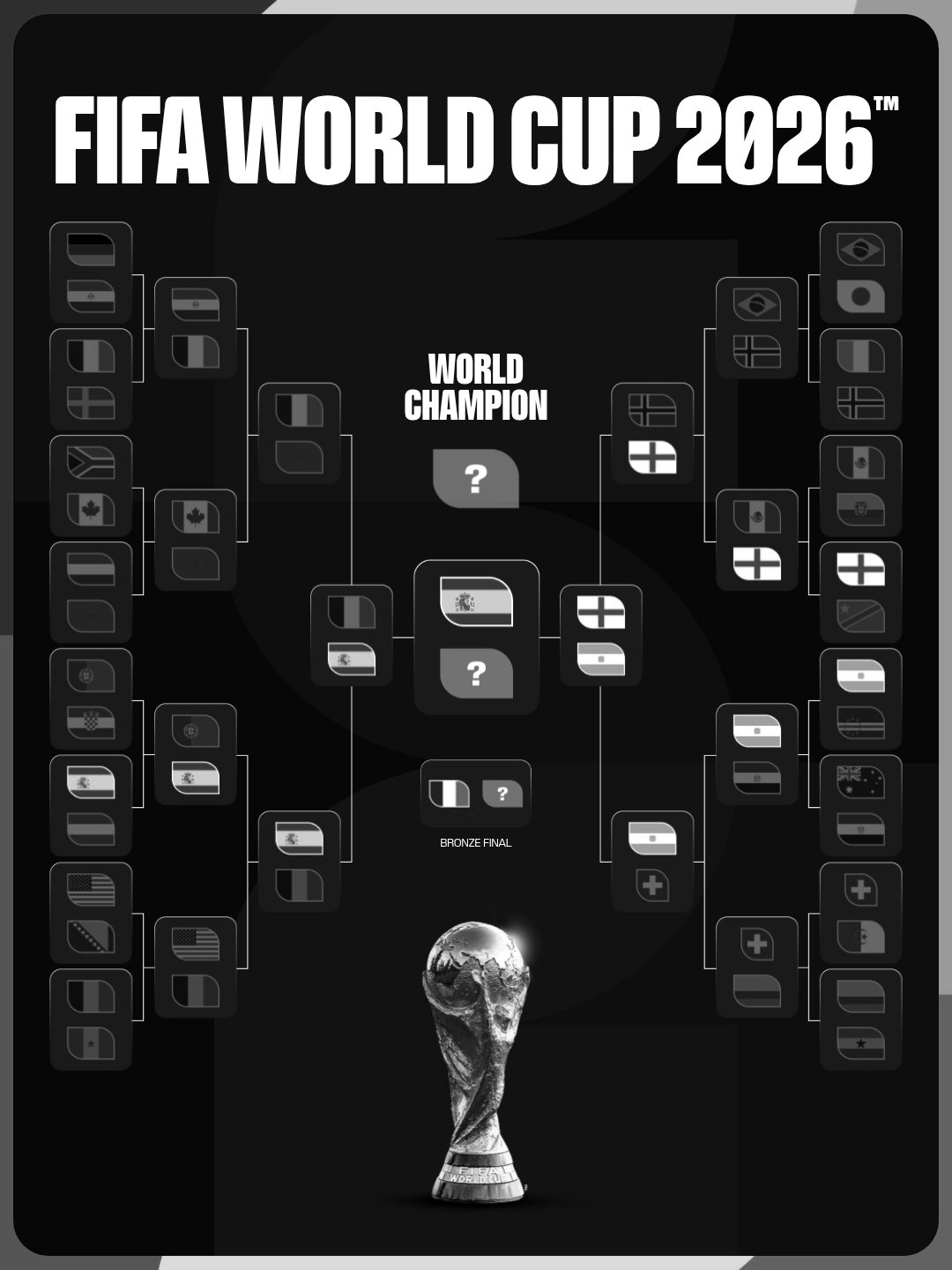
Furthermore, Pedro Porro solidified the lead in the 58th minute with a composed finish following a strategic sequence with Dani Olmo. Spain’s defensive unit remained remarkably resilient, neutralizing France’s ten attempts and limiting them to only three shots on target. Notably, this victory extends Spain’s unbeaten streak to 37 matches, equaling the long-standing European record held by Italy.

The Translation: Precision Over Individualism
In modern football, the “Spain System” serves as a catalyst for efficiency by prioritizing collective positioning over individual flair. While France relied on isolated bursts of talent, Spain operated as a synchronized unit. This approach reduces the margin for error and ensures that the FIFA World Cup final will feature a team that prioritizes structural integrity over high-risk playmaking.

The Socio-Economic Impact: Inspiration for the Pakistani Digital Frontier
Developments of this magnitude in global sport act as a powerful motivator for the youth in Pakistan. The focus on “Systems over Stars” provides a vital lesson for Pakistani students and professionals:
- Infrastructure Value: Success is the byproduct of long-term investment in training systems.
- National Morale: High-stakes international competition fosters a culture of excellence that transcends borders.
- Economic Interest: Global events like the World Cup drive digital consumption and sports-tech interest in urban centers like Karachi and Islamabad.
The Forward Path: A Momentum Shift
This victory represents a significant Momentum Shift for European football. Spain’s return to the FIFA World Cup final validates a decade of tactical recalibration. Whether they face England or Argentina, Spain enters the final as the architectural favorite, proving that precision-based systems are the ultimate baseline for sustainable success.