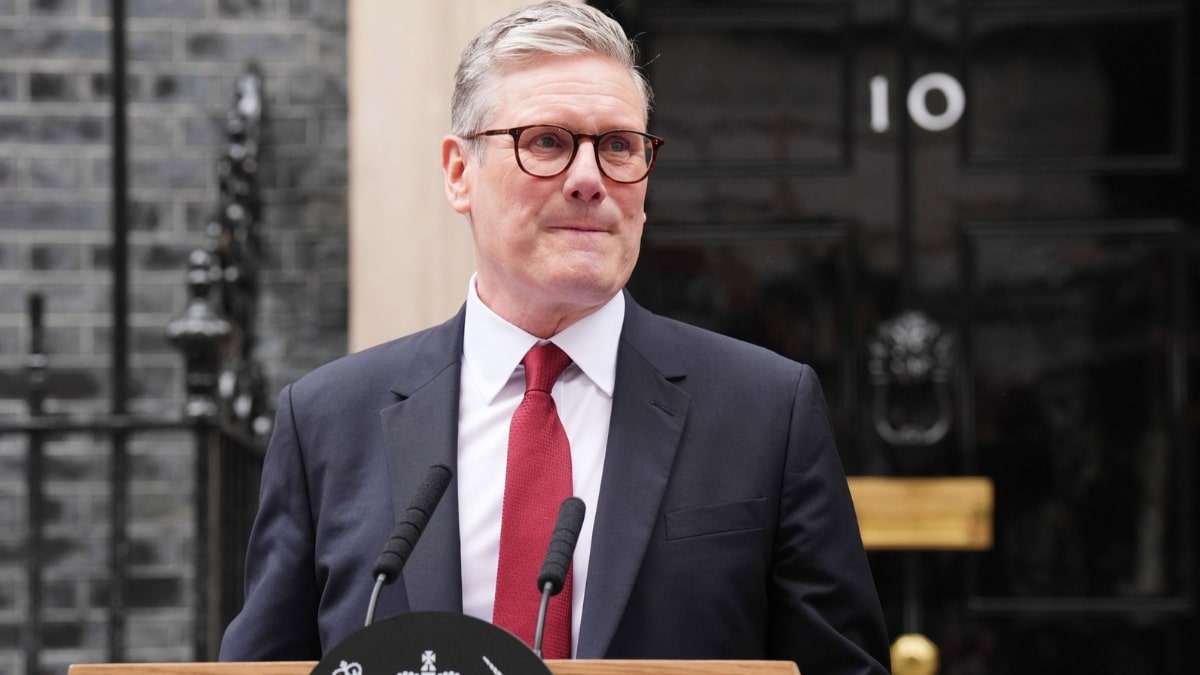
The geopolitical landscape underwent a calibrated shift today as the Keir Starmer resignation signaled a structural transition within the United Kingdom’s executive leadership. Starmer officially stepped down as both Prime Minister and Leader of the Labour Party, citing a strategic need for fresh alignment before the next general election. This move triggers an immediate baseline reset for British governance and international relations.
The Mechanics of the Keir Starmer Resignation
In a precise address outside 10 Downing Street, Starmer acknowledged that the party required new momentum to navigate the upcoming electoral cycle. He noted that he had “heard the answer” from within his ranks and accepted the transition with strategic grace. Consequently, the Labour Party must now identify a catalyst for its next phase of growth.

Starmer defended his tenure by highlighting the systemic repairs he implemented since taking the helm. He emphasized the removal of anti-Semitism and the restoration of fiscal trust as key pillars of his legacy. Furthermore, he informed King Charles of his decision earlier today to ensure a synchronized transition of power.
Leadership Transition Timeline
The Labour National Executive Committee will initiate the leadership selection process on July 9. The party aims to complete this contest before the summer recess, ensuring a new leader is calibrated and ready before Parliament returns in September. Until then, Starmer remains in office to provide structural stability and support his successor.
- Nominations Open: July 9
- Contest Completion: Before Summer Recess
- Parliamentary Return: September

The Situation Room Analysis
The Translation (Clear Context)
The Keir Starmer resignation is not merely a personnel change; it is a systemic pivot. In technical terms, the Labour Party is “refactoring” its leadership code to better align with public sentiment. Starmer’s departure removes the friction of internal dissent, allowing the party to upgrade its platform for the next general election without the baggage of past policy compromises.

The Socio-Economic Impact
For the average Pakistani citizen and the diaspora in the UK, this transition creates a period of “calibrated uncertainty.” Fluctuations in British leadership often impact currency exchange rates and visa policy timelines. Professionals and students should monitor the economic baseline closely, as a new Prime Minister may introduce structural shifts in trade agreements and immigration frameworks that affect bilateral relations.
The Forward Path (Opinion)
This development represents a Momentum Shift. While Starmer stabilized the Labour Party after a period of volatility, his resignation allows for a more precision-engineered approach to modern governance. If the successor, potentially a figure like Andy Burnham, focuses on system efficiency rather than traditional rhetoric, the UK could see a surge in progressive innovation that benefits global partners, including Pakistan.