
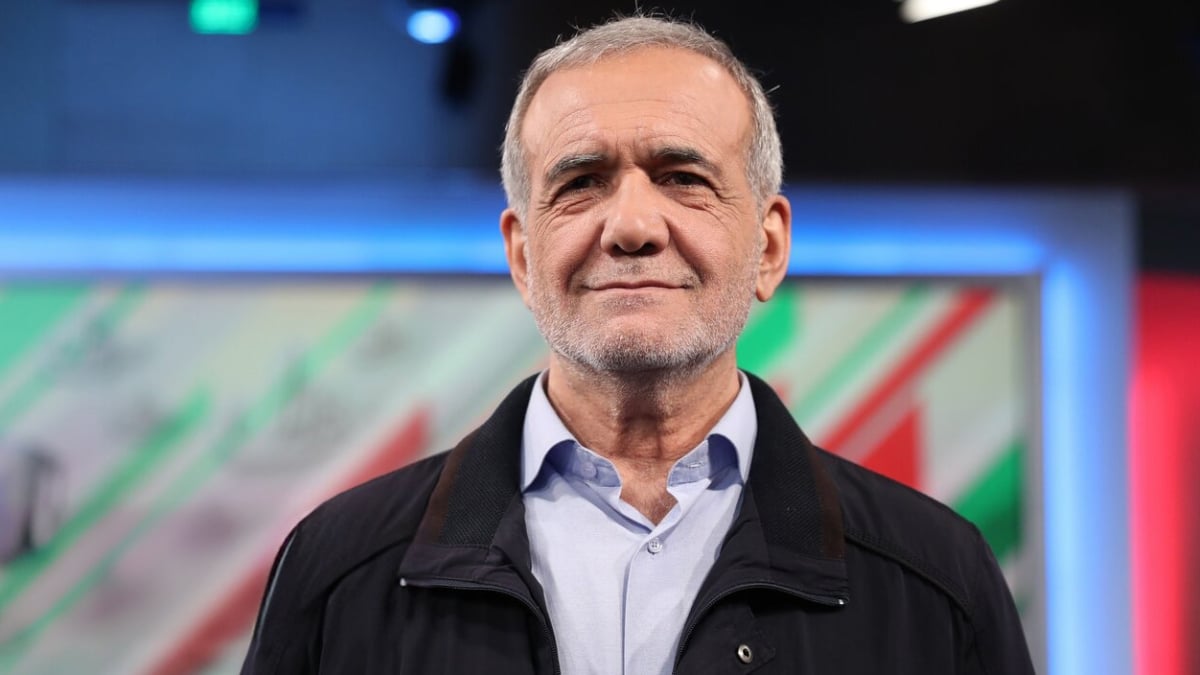
Calibrating Regional Stability: The Iranian President Visit
Iranian President Masoud Pezeshkian will catalyze a new era of regional cooperation during his highly anticipated Iranian President visit to Islamabad this Tuesday. This calibrated one-day tour includes high-level engagements with President Asif Ali Zardari and Prime Minister Shehbaz Sharif. Consequently, the leadership aims to synchronize bilateral trade and structural security frameworks to ensure regional equilibrium.
This diplomatic movement follows the recent conclusion of the Lake Lucerne Summit. Notably, Pakistan and Qatar facilitated a precision-based dialogue between the United States and Iran under the Islamabad Memorandum of Understanding (MoU). These talks, held in Switzerland, established a constructive mechanism for technical negotiations moving forward.

Technical Roadmaps and Maritime Security
The newly agreed framework establishes a High Level Committee to provide political oversight to the mediation process. Under this structure, negotiators will regularly report on nuclear issues, sanctions monitoring, and dispute resolution. Furthermore, the parties have committed to a 60-day roadmap aimed at reaching a definitive final deal.
Safety in the maritime corridor remains a top priority. Specifically, a new communication line will prevent miscommunication and ensure the safe passage of commercial vessels through the Strait of Hormuz. Additionally, a de-confliction cell involving Lebanon will support the termination of military operations under the current memorandum.
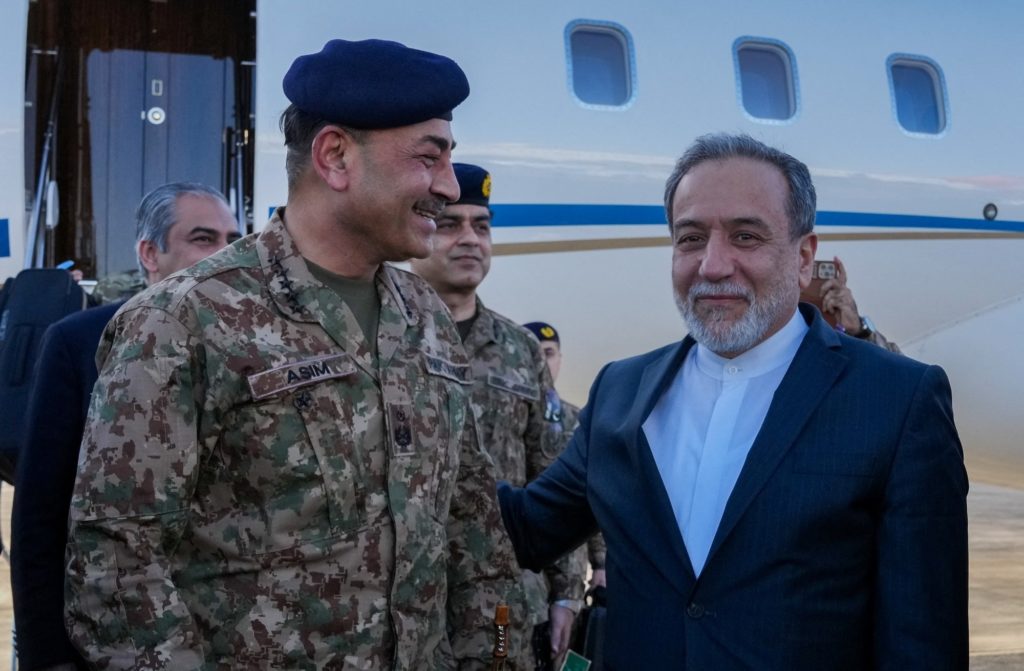
The Translation (Clear Context)
This visit is not merely ceremonial; it is a structural implementation of the Burgenstock talks. The 60-day roadmap acts as a “sprint” for diplomats to solve technical hurdles regarding sanctions and nuclear oversight. By creating a direct communication line in the Strait of Hormuz, both nations are installing a “safety valve” to prevent accidental economic shocks caused by maritime friction.
The Socio-Economic Impact
For the average Pakistani citizen, a successful Iranian President visit translates to enhanced energy security and lower trade barriers. Stabilization of the Strait of Hormuz directly protects the supply chain for essential imports, preventing sudden inflation. Furthermore, increased bilateral trade creates a catalyst for job growth in border regions and the logistics sector.

The Forward Path (Opinion)
This development represents a significant Momentum Shift. Pakistan is positioning itself as a central diplomatic architect in the Middle East. While the roadmap is ambitious, the creation of a High Level Committee provides the structural integrity needed to move beyond rhetoric. If these technical talks hold, we are witnessing the construction of a more resilient regional trade engine.








