
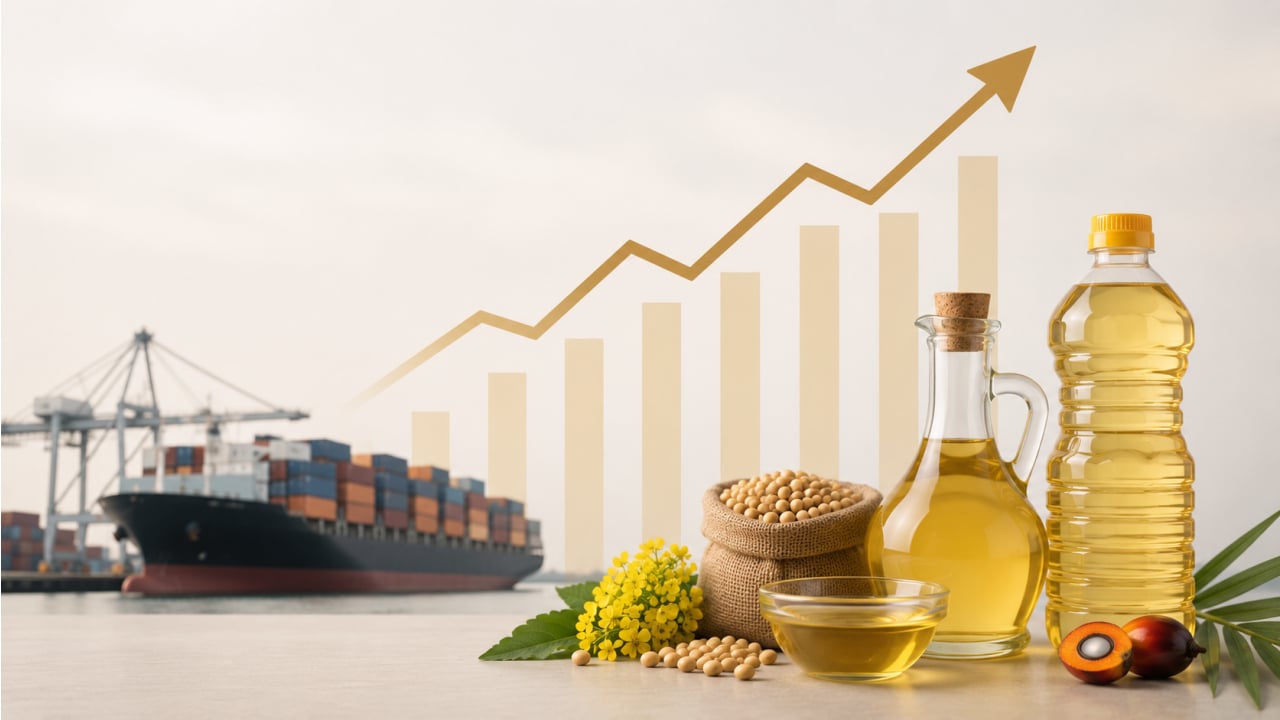
The Pakistani government recently calibrated a new tax mechanism in the federal budget that will likely inflate the Ghee retail price by Rs. 10-15 per kilogram. By shifting the sales tax collection point from ex-factory rates to the Maximum Retail Price (MRP) under the Third Schedule, the administration aims to maximize revenue precision. Consequently, the Pakistan Vanaspati Manufacturers Association (PVMA) warns that this structural shift will directly impact the cost of essential household commodities for millions of citizens.
The Translation: Deciphering the MRP Tax Mechanism
Historically, authorities calculated sales tax based on the cost at the factory gate, often excluding distributor margins and retail markups. However, the new budget expands the “Third Schedule” scope. This requires tax calculation on the final Ghee retail price printed on the packaging. This precision-focused adjustment ensures that the government captures tax on the full consumer value rather than just the manufacturing baseline. Manufacturers now face a significantly higher tax burden, which they must pass on to the end-user to maintain operational sustainability.
The Socio-Economic Impact: Precision Impact on Household Budgets
This fiscal calibration places an immediate strain on the disposable income of average Pakistani households. Since edible oil and ghee are inelastic essentials, families cannot easily reduce consumption despite the price hike. For a typical urban household, an increase of Rs. 15 per kg could translate to a significant monthly expenditure surge. Consequently, this change disproportionately affects lower-income brackets where food costs already consume a large portion of the monthly baseline budget. Professionals and students alike will feel the inflationary pressure as the cost of prepared meals also adjusts upward.
The Forward Path: Momentum Shift or Stabilization?
We categorize this development as a Stabilization Move rather than a Momentum Shift. While the move increases documentation and tax collection efficiency—essential for fiscal discipline—it lacks the visionary relief needed to stimulate consumer demand. To achieve a true catalyst for progress, the government must balance fiscal extraction with strategic incentives for local oilseed production. Reducing import reliance is the only sustainable way to stabilize the long-term Ghee retail price and ensure food security across Pakistan.








