
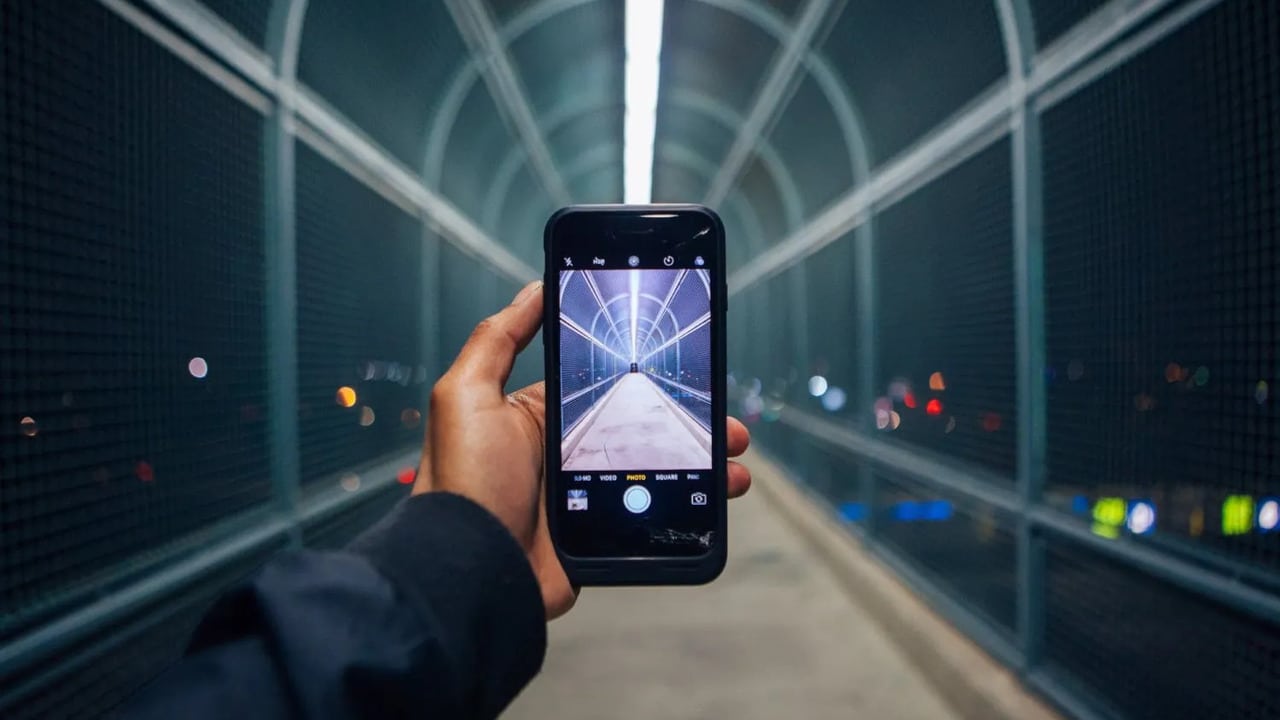
Mobile imaging has reached a critical threshold where physical constraints demand structural innovation. Sony’s latest breakthrough, the Sony LOFIC sensor (Lytia 910), marks a strategic shift in mobile imaging by integrating a lateral overflow capacitor. Consequently, this architecture prevents photodiode saturation, allowing smartphones to capture professional-grade high dynamic range (HDR) images with extreme precision.
Engineering 100dB Single-Exposure HDR
The Lytia 910 serves as a catalyst for a new era of visual clarity. Specifically, the Sony LOFIC sensor provides 100dB of dynamic range via a single exposure. This architectural choice stands in contrast to previous sensors that required multi-frame exposures to reach similar performance levels. By reading each pixel three times—using low, mid, and high conversion gains—the system synthesizes a single, high-fidelity HDR image.
Furthermore, this single-exposure approach eliminates motion artifacts typically found in mobile HDR photography. Because the sensor captures everything simultaneously, it is perfectly calibrated for high-speed 4K 60fps HDR video. This technology is already a baseline in automotive safety cameras, where flickering light sources must be mitigated with absolute precision.
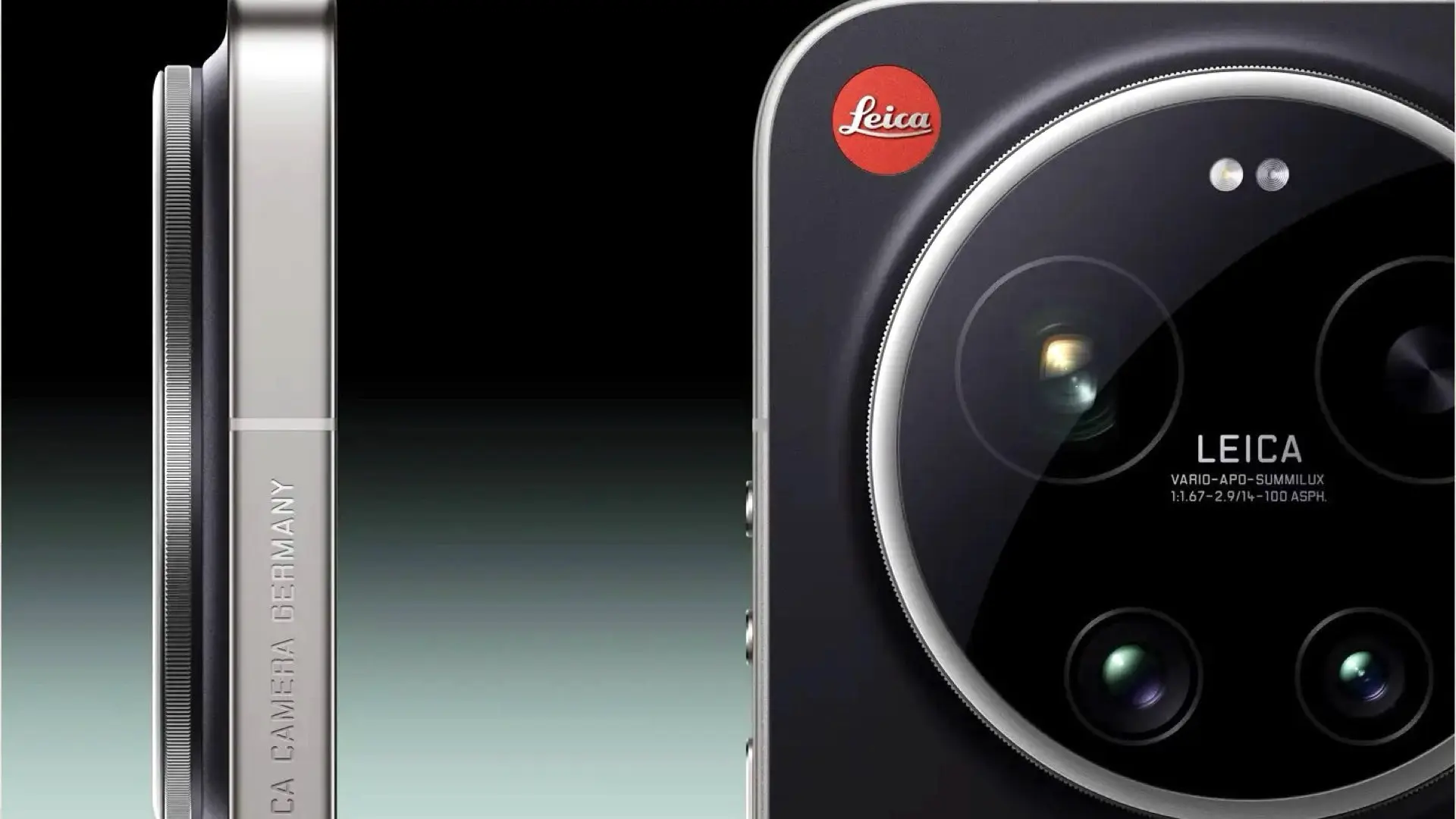
Noise Reduction and Low-Light Precision
In addition to dynamic range, Sony has optimized the Lytia 910 for challenging environments. The sensor incorporates Ultra High Conversion Gain (UHCG) circuits that activate during low-light scenarios. According to technical benchmarks, these circuits reduce random noise by approximately 30% compared to legacy sensors. The hardware itself is a 1/1.28-inch, 50MP CMOS sensor featuring a Quad Bayer filter and 1.22µm pixel pitch.
The “Situation Room” Analysis
The Translation: Next-Gen Clarity
Standard smartphone sensors often “choke” when faced with bright sunlight, resulting in lost detail in the sky or highlights. The Sony LOFIC sensor (Lateral Overflow Integration Capacitor) introduces a technical “overflow tank” for light. When a pixel’s main bucket is full, the excess light flows into a capacitor rather than spilling over and ruining the data. This results in a balanced image where both the sun and the shadows retain their natural texture.
The Socio-Economic Impact
For the Pakistani citizen, this development democratizes high-tier content creation. As the “creator economy” grows in urban centers like Karachi and Lahore, students and entrepreneurs can now produce cinema-quality video using only a smartphone. Moreover, the enhanced performance of LOFIC sensors in automotive applications will eventually lead to safer transit systems as smart vehicles become more adept at handling nighttime glare on local highways.
The Forward Path: A Momentum Shift
The Lytia 910 represents a Momentum Shift for the global tech landscape. While competitors like OmniVision have released similar hardware, Sony’s market dominance suggests this will soon become the baseline for flagship devices. With mass production starting this summer, we expect to see this technology integrated into the next generation of premium smartphones by Q4 2024, effectively closing the gap between mobile devices and professional DSLR cameras.








