
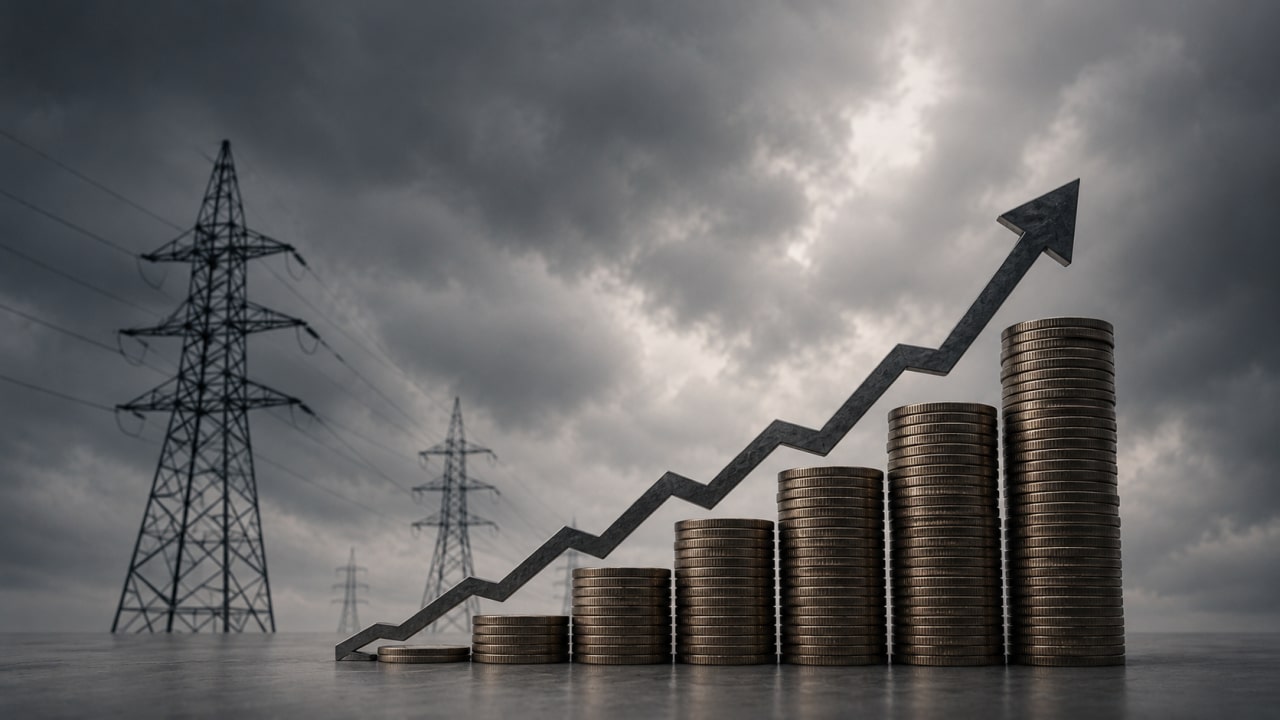
Pakistan’s Energy Circular Debt registered a calibrated yet concerning trajectory, reaching Rs. 1.85 trillion by April 2026. While the overall stock remains 23% lower than the previous year, the intra-year accumulation surged by a staggering 1,233%. This sharp increase represents a significant catalyst for a national fiscal re-evaluation, as the debt grew by Rs. 240 billion in just ten months compared to only Rs. 18 billion in the prior period.
Navigating the Drivers of Energy Circular Debt
The recent expansion of the debt baseline stems primarily from the systemic underperformance of Power Distribution Companies (DISCOs). Specifically, technical losses and recovery deficits contributed a combined impact of approximately Rs. 226 billion. Furthermore, the state prioritized Power Sector Liquidity by increasing payments to Independent Power Producers (IPPs), which reached Rs. 236 billion during this cycle.
Structural Refinancing and Precision Strategy
Consequently, the government is implementing a Circular Debt Management strategy focused on refinancing. By shifting liabilities from Pakistan Holding Limited (PHL) to bank financing facilities, the state has calibrated its borrowing costs to KIBOR minus 0.9%. To date, the authorities have executed Rs. 96 billion in repayments under this revised framework to stabilize the system.
The Situation Room Analysis
The Translation (Clear Context)
Imagine the energy sector as a pressurized hydraulic system. Energy Circular Debt is the “leak” that occurs when the cost of producing electricity is higher than the cash collected from consumers. Because DISCOs fail to recover 100% of bills and lose power through aging grids, the government must borrow at interest to pay power plants. This creates a cycle where we are constantly paying for yesterday’s electricity with tomorrow’s debt.
The Socio-Economic Impact
This structural friction directly affects the daily life of every Pakistani citizen through the following channels:
- Tariff Volatility: Rising debt often triggers “fuel price adjustments,” leading to unpredictable monthly utility bills for households.
- Industrial Friction: High energy costs reduce the global competitiveness of Pakistani exports, potentially slowing job growth in manufacturing.
- Fiscal Crowding Out: Every rupee spent servicing energy debt is a rupee not spent on STEM education or healthcare infrastructure.
The Forward Path (Opinion)
This development represents a Stabilization Move. While the 1,200% surge in accumulation is a stark metric, the 23% reduction in the total debt stock compared to April 2025 suggests that the refinancing strategy is providing a necessary buffer. However, this is a temporary relief. The long-term architectural solution requires the mandatory privatization or total technological overhaul of DISCOs to stop the leaks at the source.








