
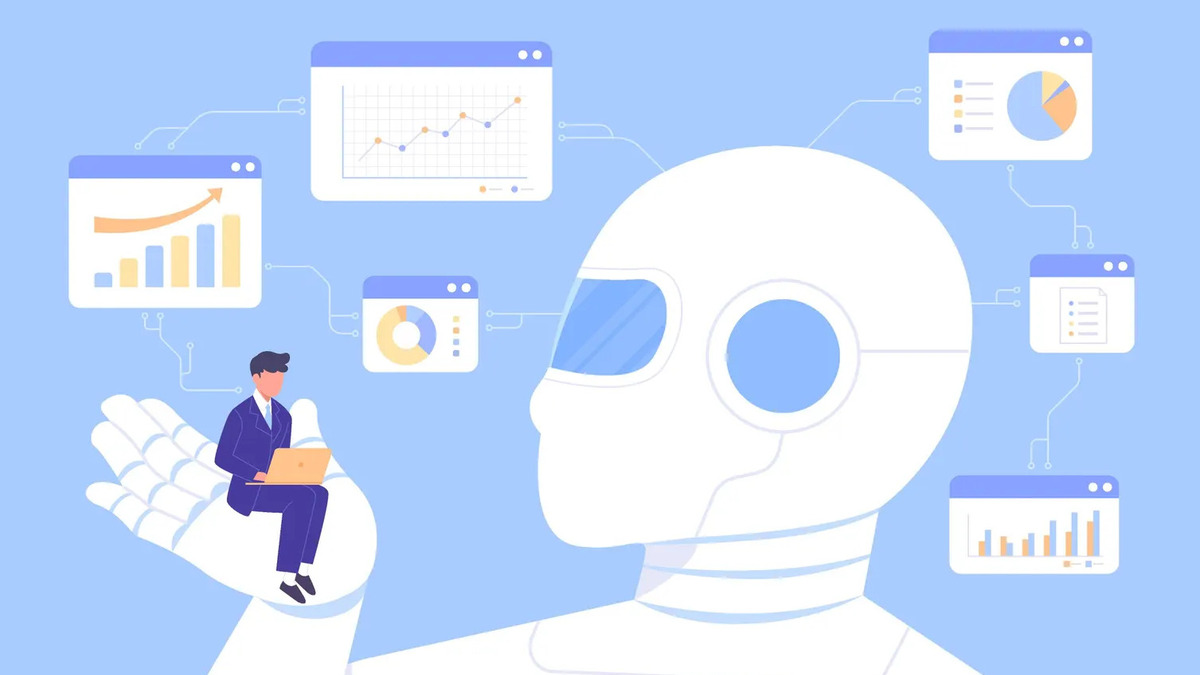
Modern enterprise infrastructure is undergoing a radical shift as we integrate automated agents into the professional workflow. While many organizations anticipate immediate AI productivity gains, a new report from the Work AI Institute reveals a complex reality. Specifically, employees now spend over six hours weekly “babysitting” work chatbots to ensure accuracy. Consequently, the time spent managing these tools often rivals the time spent using them for actual creative output.
Analyzing the Invisible Layer of AI Management
Precision is the baseline for professional success, yet AI tools often demand constant human intervention. According to Paul Leonardi, Professor at UC Santa Barbara, workers spend 37% of their AI-related time on “bot sitting.” Meanwhile, they spend only 36% of that time producing tangible work. This structural imbalance suggests that we have not yet calibrated these systems for peak efficiency. Furthermore, for every hour of useful output, workers typically invest an additional hour refining and correcting that data.
Why AI Sessions Fail in Professional Environments
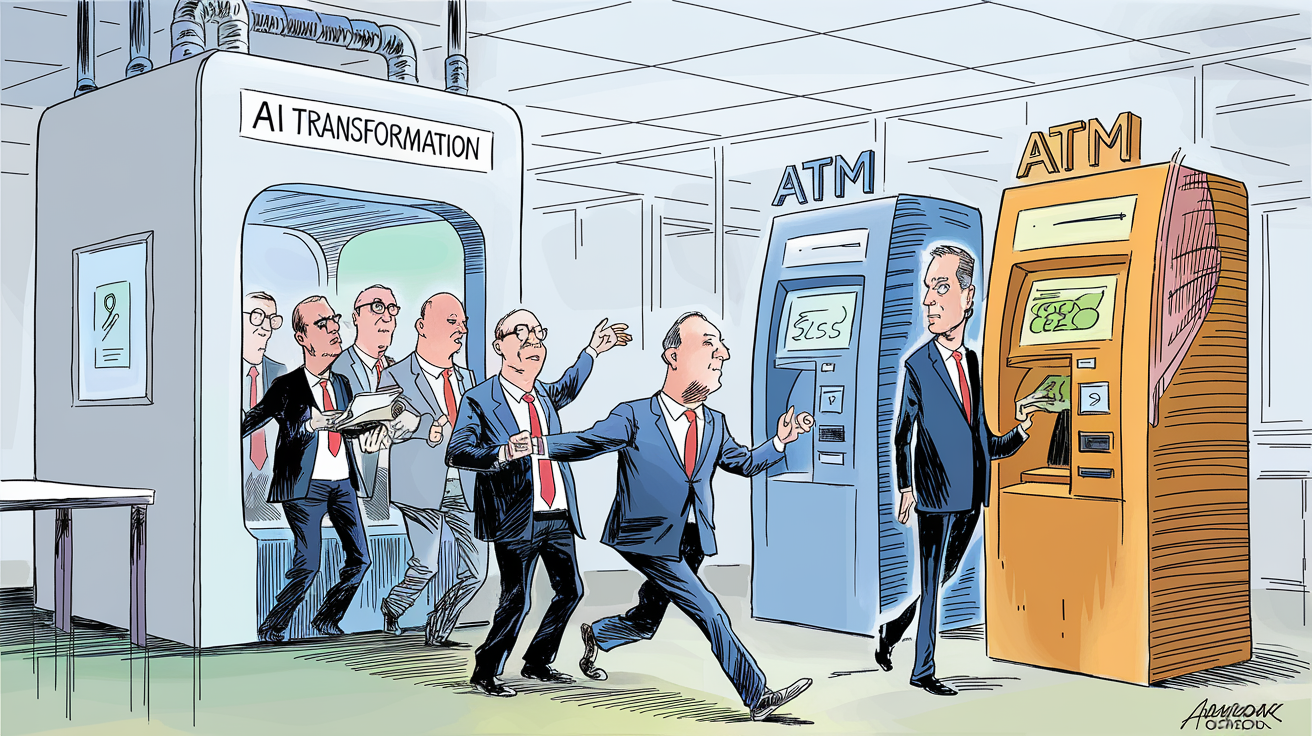
The study surveyed 6,000 workers across the US, UK, and Australia to identify core friction points. The data indicates that more than one-third of AI sessions fail entirely, requiring a complete restart. Moreover, 41% of workers admit to submitting AI-generated content they cannot fully explain. This lack of transparency creates a high-risk environment for companies that value precise documentation and accountability.
- Systemic Failures: 33% of sessions require major rework or restarts.
- Knowledge Gaps: 41% of employees struggle to explain AI-generated outputs.
- Management Burden: Workers now function as supervisors for digital agents rather than just individual contributors.

The Situation Room: Strategic Analysis
The Translation
In technical terms, “babysitting” refers to the high-touch prompt engineering and iterative verification required to make Large Language Models (LLMs) reliable. Most users currently treat AI as a finished product, but the data suggests it is more like a raw material. It requires significant “refining labor” before it reaches a professional standard of utility. Consequently, the promised AI productivity gains are currently offset by this unquantified management overhead.
The Socio-Economic Impact
For the Pakistani workforce, this development is a critical catalyst for educational reform. As we transition into a digital-first economy, our students and professionals must move beyond basic usage. They must become “AI Orchestrators.” In urban centers like Karachi and Lahore, the ability to manage AI efficiently—minimizing that 6-hour “babysitting” window—will determine the global competitiveness of our freelance and IT sectors. If we do not master this precision, our labor costs will rise despite automation.
The Forward Path
This development represents a Stabilization Move. We are currently in the “trough of disillusionment” where the initial hype meets the friction of reality. The path forward requires companies to stop viewing AI as a replacement for labor and start viewing it as a new department that requires strategic oversight. We must invest in structural training that teaches employees how to calibrate these tools effectively, rather than just “using” them. Progress will only occur when the management-to-output ratio shifts in favor of production.








