
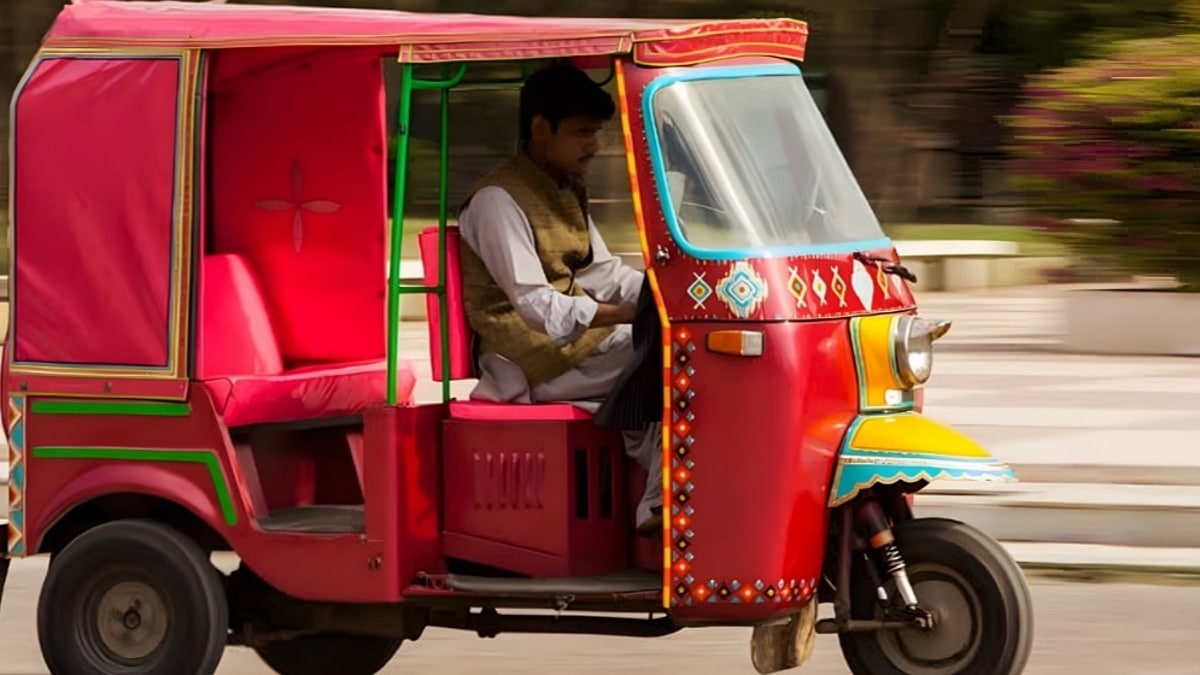
The City Traffic Police Lahore (CTPL) has calibrated a new strategic initiative to streamline the Lahore rickshaw license acquisition process. By opening a dedicated Sunday facility at the Manawan Licensing Centre, the department aims to integrate thousands of informal transporters into a formal legal framework. Consequently, this move addresses the systemic barriers that previously hindered drivers from achieving full regulatory compliance.
Structural Integration of the Transport Sector
Effective immediately, the Manawan Licensing Centre will operate every Sunday from 8 a.m. to 4 p.m. to specifically accommodate rickshaw operators. Chief Traffic Officer (CTO) Syed Abdul Rahim Shirazi emphasized that this precision-targeted facility ensures drivers have the necessary road safety knowledge and legal authorization. Furthermore, the CTPL is deploying dedicated staff to manage the anticipated baseline increase in applicants.
The Translation: Clear Context
Most rickshaw drivers operate on a daily-wage basis, making it economically difficult to visit licensing centers during standard weekday hours. By shifting the Lahore rickshaw license process to Sundays, the CTPL is removing the “opportunity cost” barrier. This is not just a scheduling change; it is a structural adjustment to the city’s transport ecosystem designed to increase the density of licensed, verified drivers on our roads.
Strategic Training and Safety Calibration
Beyond simple licensing, the CTPL is executing a comprehensive awareness strategy. The initiative includes:
- Professional Skills Development: Training sessions focused on advanced road navigation.
- Regulatory Education: In-depth lectures on modern traffic laws and penalties.
- Safe Driving Habits: Practical guidance on reducing urban traffic congestion and accident prevention.
The Socio-Economic Impact
For the average Pakistani citizen, this development translates to a more disciplined and predictable urban commute. When rickshaw drivers are brought into the legal fold, it increases accountability for traffic violations and passenger safety. For the drivers, possessing a valid Lahore rickshaw license offers protection against exploitation and establishes a baseline for professional dignity within the gig economy.
The Forward Path: Momentum Shift
This initiative represents a significant Momentum Shift in Lahore’s urban management. Rather than relying solely on punitive measures, the CTPL is creating accessible pathways for compliance. This architectural approach to traffic management—combining accessibility with education—serves as a catalyst for a more organized, STEM-driven transport future in Pakistan.








