
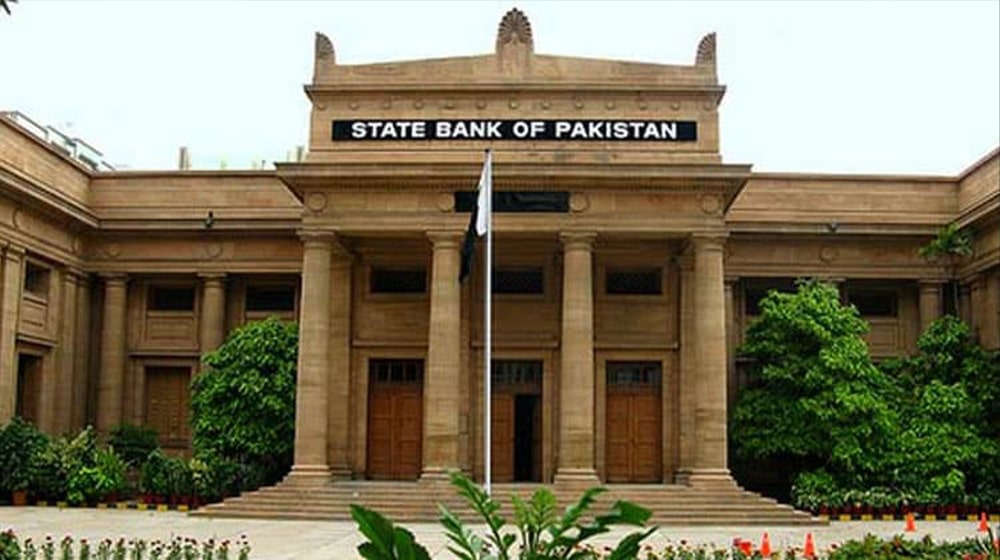
The State Bank of Pakistan (SBP) has calibrated its final monetary decision for the 2025-26 fiscal year by maintaining the SBP interest rate at 11.5%. This strategic pause marks the first unchanged stance since April 2026, signaling a commitment to price stability amidst a complex global landscape. The Monetary Policy Committee (MPC) determined that the current baseline is sufficient to guide inflation toward the medium-term target of 5–7%.
Analyzing the SBP Interest Rate and Macroeconomic Equilibrium
The MPC evaluated several shifting variables before arriving at this decision. While global oil prices show signs of easing due to geopolitical developments, they remain structurally higher than historical norms. Consequently, domestic headline inflation reached double digits in May, driven by energy costs and volatile food prices. Despite these pressures, the Committee noted that external account stresses remain moderate, providing a window for policy consistency.
The Translation (Clear Context)
In “Next Gen” terms, the decision to keep the SBP interest rate steady reflects a “wait-and-see” architectural approach. The central bank is essentially betting that the current high cost of borrowing will continue to dampen excess demand without completely stalling industrial productivity. By not raising rates further, the SBP acknowledges that inflation is largely being driven by external supply shocks (like fuel and wheat prices) rather than just internal spending.
Sectoral Performance and Structural Metrics
Pakistan’s real GDP grew by a provisionally estimated 3.7% in FY26, a slight increase from the 3.2% recorded in FY25. The services and industrial sectors primarily fueled this momentum. However, Large-Scale Manufacturing (LSM) faces a projected moderation in the final quarter of the year. Furthermore, the agricultural outlook for the upcoming Kharif season remains subdued due to challenging weather patterns, which could serve as a headwind for FY27 growth.
On the fiscal front, the government demonstrated discipline by achieving a primary balance surplus of 2.5% of GDP for FY26. This fiscal consolidation, paired with the successful completion of IMF reviews, has bolstered foreign exchange reserves to $17.2 billion. These reserves are strategically projected to reach $18 billion by the end of June 2026, providing a critical buffer for external obligations.
The Socio-Economic Impact
For the average Pakistani citizen, a stable but high SBP interest rate creates a dual-edged reality. For urban professionals and households, it means that the cost of auto loans and personal financing will remain elevated, discouraging immediate large-scale consumption. However, this stability is a necessary catalyst to prevent further devaluation of the Rupee. For rural populations, the surge in wheat prices remains a primary concern, as monetary policy has limited control over climate-impacted food supply chains.
The Forward Path (Opinion)
This development represents a Stabilization Move. While it lacks the aggressive momentum of a rate cut, it provides a predictable baseline for the private sector to plan for FY27. For Pakistan to shift from maintenance to true progress, we must move beyond interest rate adjustments and accelerate structural reforms. Broadening the tax base and reforming public sector enterprises remain the only precision tools capable of shielding our economy from future global shocks.








