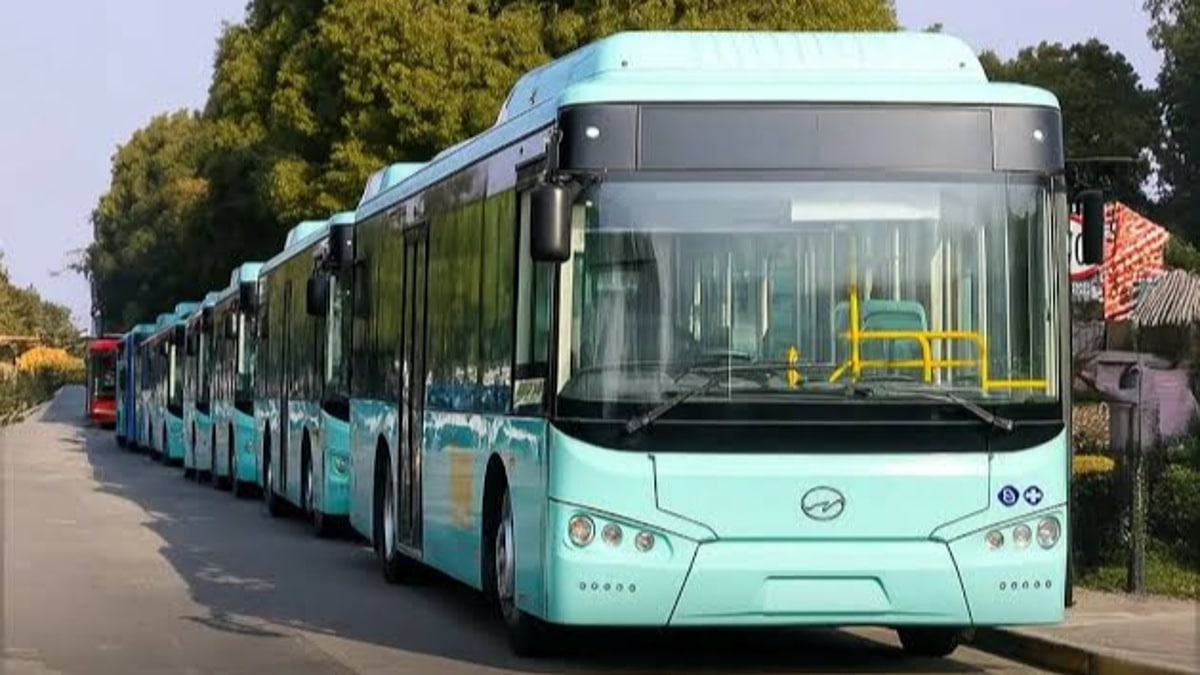
A robust urban mobility infrastructure serves as the primary catalyst for a thriving, high-efficiency economy. The federal government’s budget for 2026-27 strategically calibrates a massive shift toward sustainable transit by proposing a subsidy increase to Rs. 7.3 billion for the Metro and Green Electric Bus projects. Consequently, this financial commitment allows the state to launch Electric Bus Routes across 20 additional sectors within the twin cities. This move nearly doubles the previous fiscal year’s allocation of Rs. 3 billion, ensuring that the existing transport framework operates with peak precision while expanding its reach to under-served urban zones.
Refining the Urban Grid: 20 New Electric Bus Routes
The proposed expansion plan specifically targets the integration of 20 additional routes into the current Green Electric Bus network. Currently, the Metro Bus Service has maintained steady operations between Rawalpindi and Islamabad since 2014, serving a massive volume of daily passengers. Furthermore, the authorities intend to introduce these new Electric Bus Routes in a phased manner to maintain system stability. While 23 routes currently serve the Rawalpindi Division, the addition of these phased routes will provide a structural baseline for a fully electrified metropolitan transit system.
The Situation Room Analysis
The Translation
This budgetary move represents more than just a spending increase; it is a calculated effort to maintain fare affordability during global energy fluctuations. By increasing the subsidy to Rs. 7.3 billion, the government absorbs the operational costs of high-capacity electric vehicles. Notably, this ensures that the cost of precision transit does not fall on the individual citizen, keeping the system accessible for the masses. This financial injection acts as a stabilizer for the twin cities’ transport ecosystem.
The Socio-Economic Impact
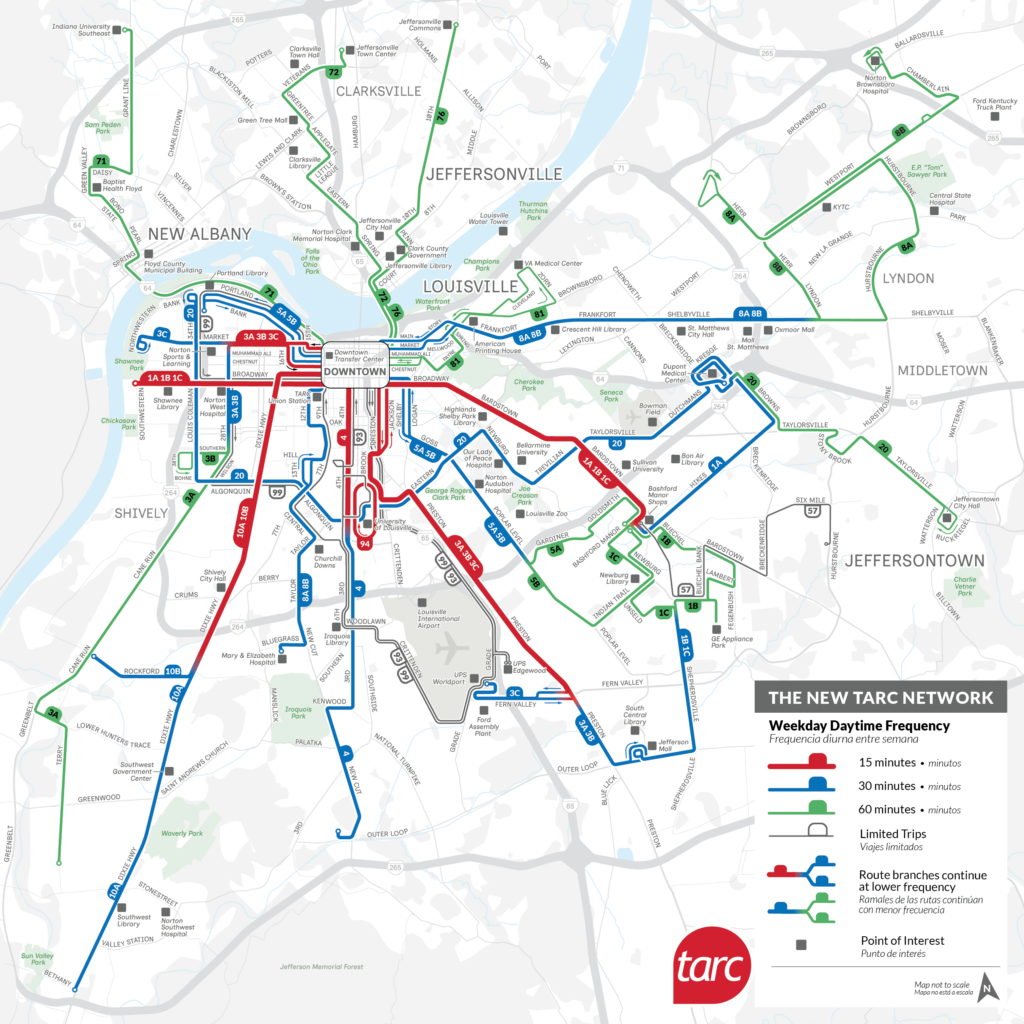
For the average Pakistani professional or student, these new Electric Bus Routes offer a direct improvement in daily quality of life. Increased route density reduces wait times and simplifies the “first-mile-last-mile” commute problem. Consequently, households in the 20 newly targeted sectors will see a reduction in fuel expenditures and a significant decrease in commute-related fatigue. This infrastructure upgrade fosters a more mobile and productive workforce in the capital region.
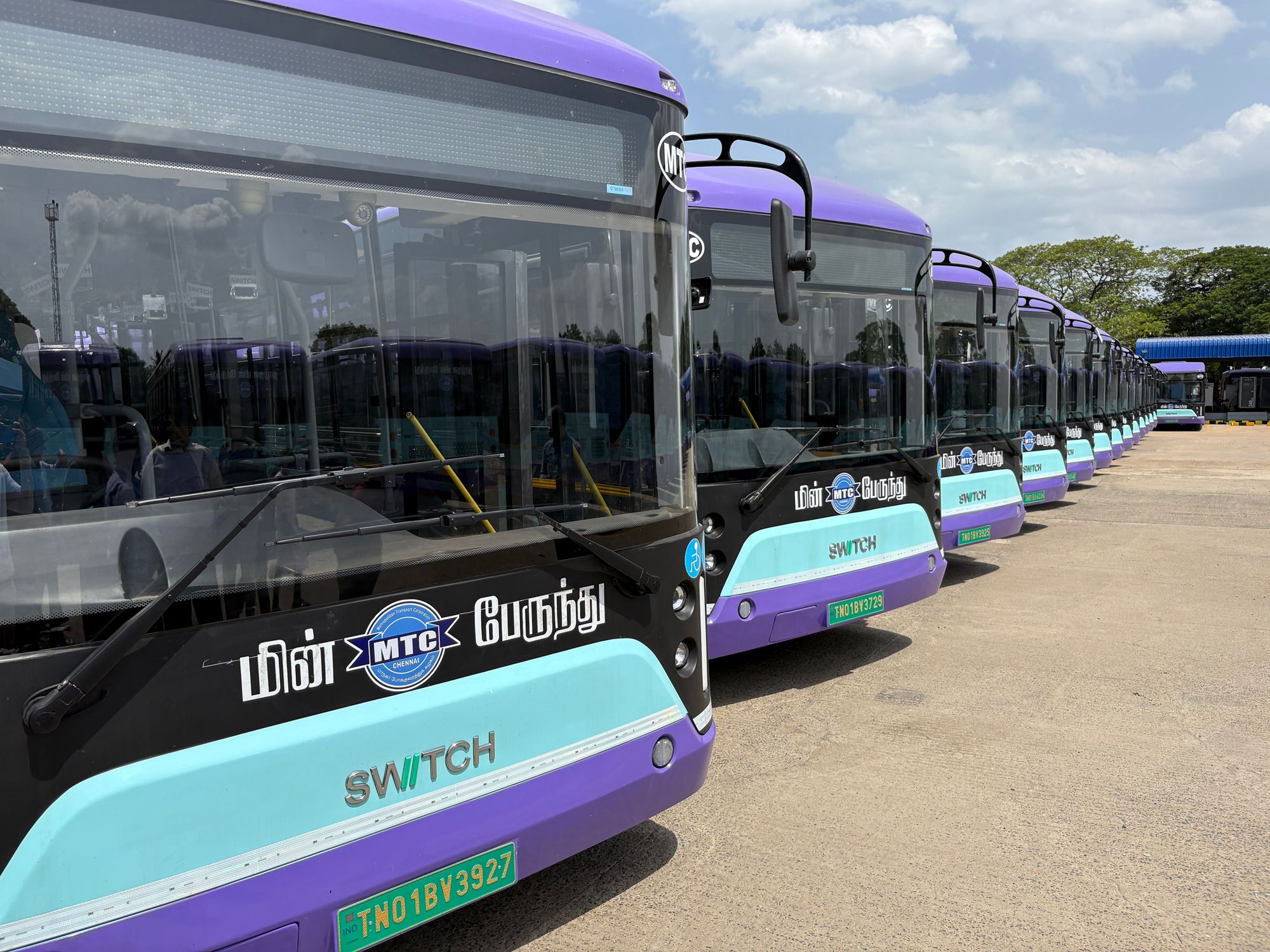
The Forward Path
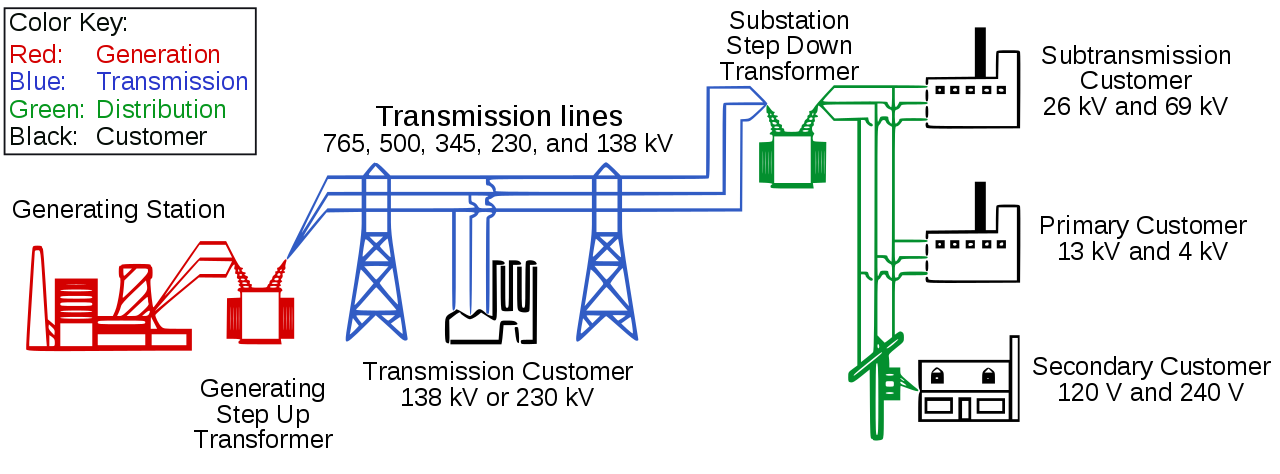
We classify this development as a significant Momentum Shift for Pakistan’s urban planning. Moving away from fossil-fuel-dependent transit toward an expanded electric fleet indicates a structural commitment to decarbonization. To maximize this impact, the government must now ensure that the supporting electrical grid can sustain the increased load of 20 new routes without compromising residential power stability.