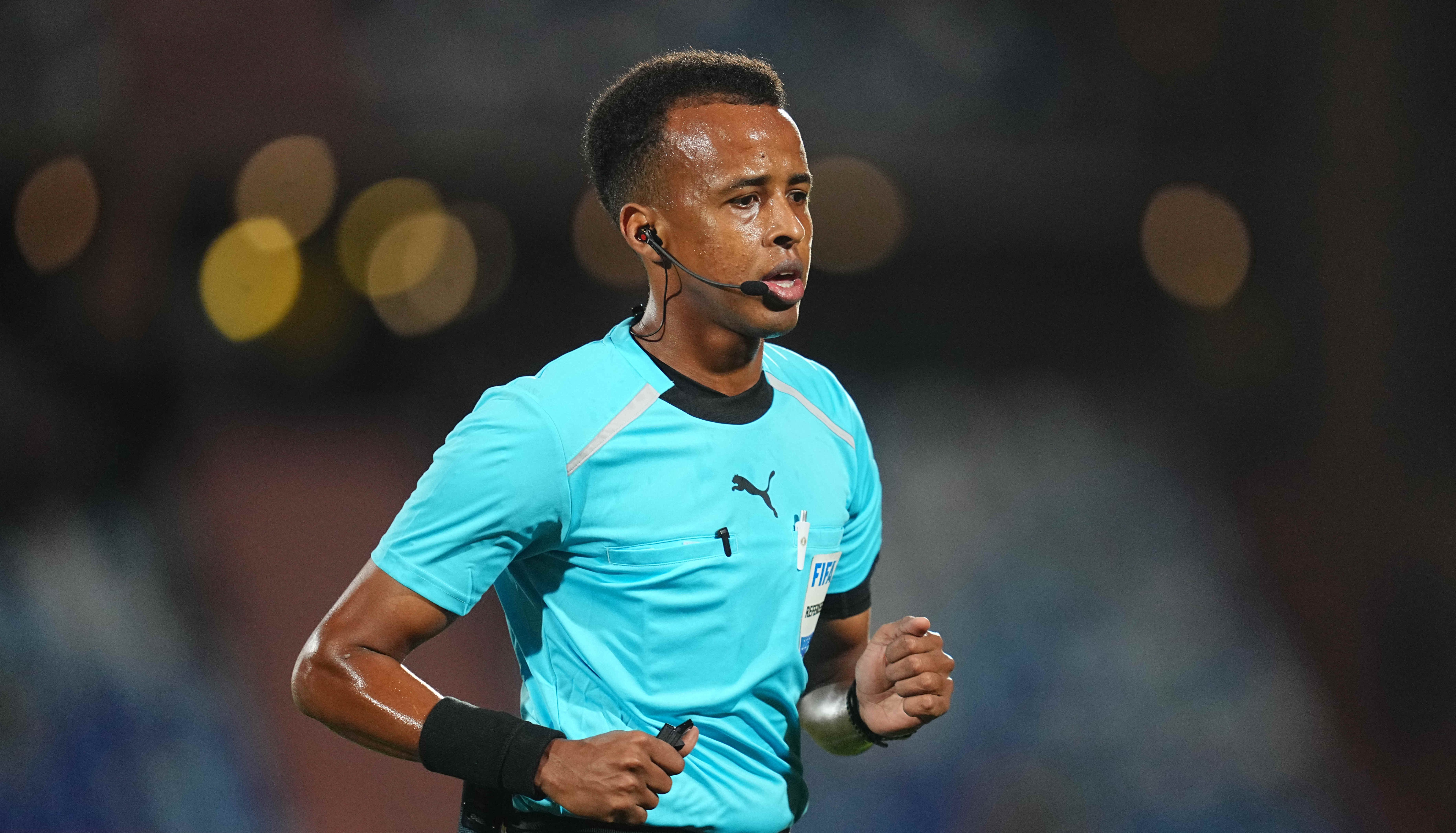
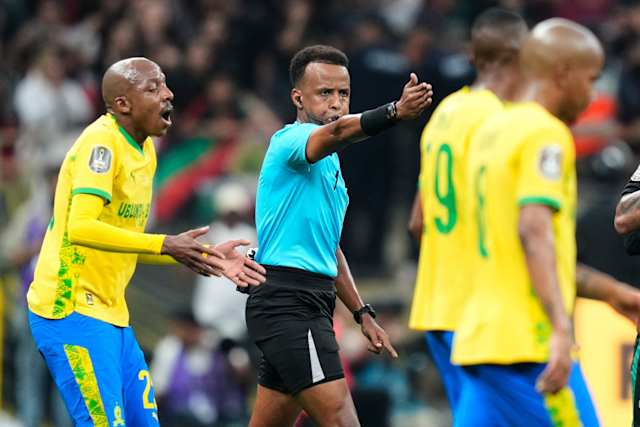
The structural integrity of a global mega-event depends on the fluid movement of its most calibrated components: the officials. However, a significant systemic barrier emerged when the FIFA World Cup 2026 referee Omar Abdulkadir Artan was denied entry at Miami International Airport. Consequently, the 2025 CAF Men’s Referee of the Year was redirected to Turkey, effectively ending his historic bid to become the first Somali official at a World Cup finals.
Geopolitical Constraints vs. Sporting Excellence
Despite possessing valid travel documents and a diplomatic passport, US immigration authorities blocked Artan’s entry. While official reasons remain undisclosed, observers point toward existing travel restrictions affecting Somali nationals. FIFA leadership confirmed that this decision is final, as host-country immigration protocols remain outside their governing jurisdiction.
Furthermore, the logistical framework established by FIFA refereeing chief Pierluigi Collina complicates the situation. Collina mandates a centralized training base in Miami for all 52 referees and 88 assistant referees. Therefore, any FIFA World Cup 2026 referee cannot simply officiate matches in Canada or Mexico while remaining outside the United States.
Systemic Friction and Global Criticism
The Somali Football Federation has initiated a formal inquiry, requesting urgent clarification from FIFA. In contrast, Andrew Giuliani, head of the White House Task Force on the World Cup, supported the customs officials’ decision, citing “derogatory information” that warranted the refusal. This development has triggered a wave of criticism regarding tournament organization.
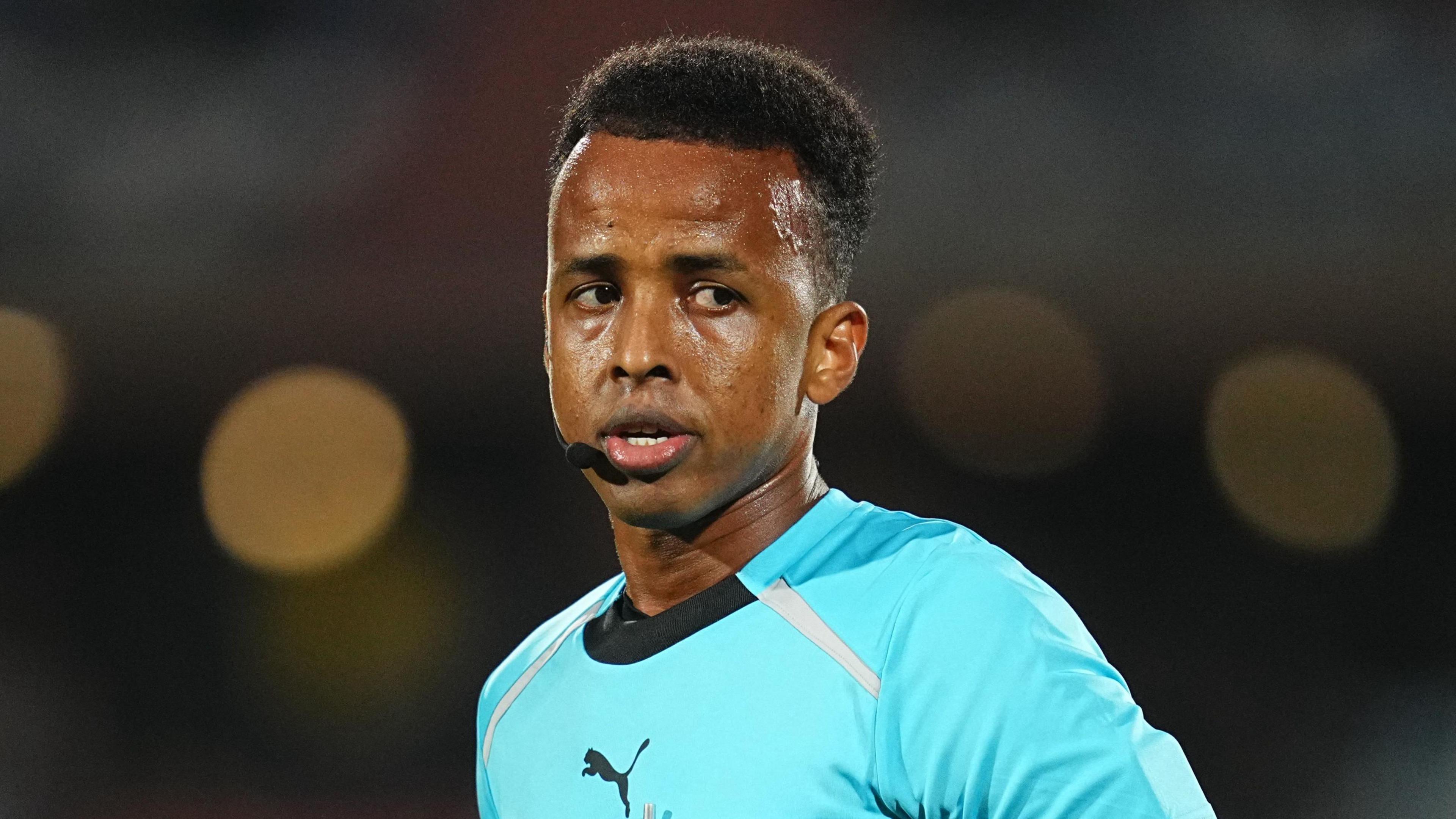
Notably, former England striker Ian Wright described the current trajectory as a “World Cup of chaos.” He highlighted that escalating costs and logistical failures regarding fans, journalists, and now officials are eroding the spirit of the game. Artan, however, maintained a disciplined focus, thanking FIFA and CAF for their support while wishing his colleagues success in the upcoming matches.

The “Situation Room” Analysis
The Translation (Clear Context)
The core conflict lies in the “Miami Hub” strategy. FIFA’s decision to centralize training for every FIFA World Cup 2026 referee in the US creates a single point of failure. When national security policies clash with sports visas, the tournament loses its most diverse talent because the “system” cannot accommodate decentralized preparation.
The Socio-Economic Impact
For the Pakistani sports community and emerging professionals, this event underscores the “Passport Power” barrier. It demonstrates that merit—even being the CAF Referee of the Year—can be nullified by geopolitical variables. For households watching at home, this signals a shift where global sports may become less inclusive due to shifting diplomatic landscapes.
The Forward Path (Opinion)
This development represents a Stabilization Move by the host nation but a significant Logistical Failure for FIFA. To maintain momentum for future tournaments, FIFA must negotiate “Sporting Corridors” that bypass standard immigration friction. Without such structural reforms, the 2026 World Cup risks being remembered more for its bureaucratic barriers than its athletic precision.