System efficiency in elite sports requires a calibrated balance between physical durability and specialized technical execution. Consequently, the Pakistan Cricket Board (PCB) has initiated a structural realignment of its national assets, dividing players into specialized cadres. Under this new framework, the Pakistan ODI captain is likely to miss the upcoming Pakistan Test series as the board prioritizes long-term workload management and performance precision.
Structural Realignment: The Red-Ball vs. White-Ball Split
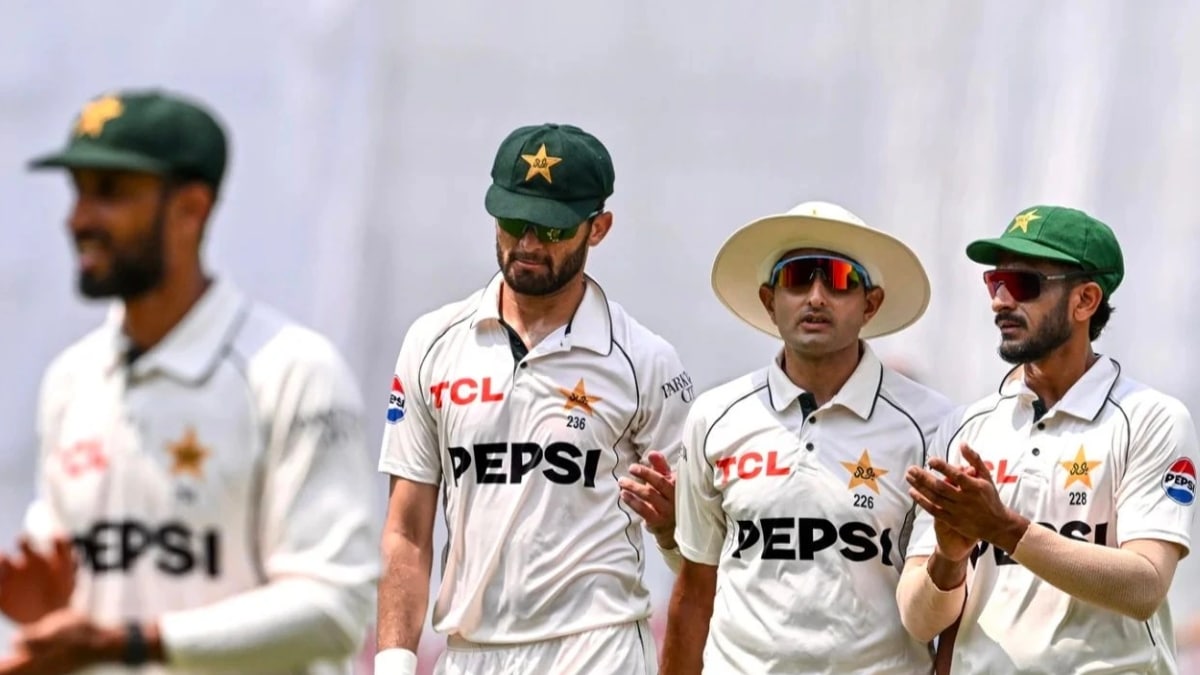
The PCB has formally summoned 49 players to a training camp in Lahore to facilitate this strategic transition. Specifically, the board has partitioned these athletes into two distinct groups: 22 players for the red-ball setup and 27 for the white-ball pool. While Shaheen Afridi remains a cornerstone of the limited-overs strategy, he has been excluded from the red-ball camp entirely. This move suggests a definitive shift toward format specialization.
Operational Timelines for National Training
- White-Ball Camp: Scheduled to commence on September 18.
- Red-Ball Camp: Operational through July 10.
- West Indies Tour Preparation: Strategic sessions beginning July 15.
Shaheen Afridi, despite his leadership role in the ODI format, is expected to join the white-ball cohort on June 15. This timeline aligns with the PCB’s broader objective to preserve high-value fast-bowling assets for high-intensity short-format global events.
Performance Metrics and the Pakistan Test Series
Data from recent international fixtures has likely influenced this decision. Since his debut in 2017, Afridi has secured 126 wickets across 34 Test matches. However, recent indicators suggest a dip in baseline velocity. During the previous series against Bangladesh, Afridi returned combined figures of 5-167 across two innings. Consequently, selectors have expressed concerns regarding his current pace and his limited participation in first-class cricket.

Strategic planners believe that a lack of regular red-ball exposure has compromised his consistency in the five-day format. Therefore, the board is opting for a stabilization move to protect his long-term utility in white-ball cricket while exploring fresh talent for the Pakistan Test series.
The Situation Room Analysis
The Translation
In technical terms, the PCB is moving away from the “all-format workhorse” model. By placing the Pakistan ODI captain exclusively in the white-ball pool, the board is acknowledging that his physical output—specifically his peak bowling speed—requires careful management. This is not a demotion, but rather a “calibrated load management” strategy designed to extend his career at the highest level of the game.
The Socio-Economic Impact
For the average Pakistani fan and the broader economy of the sport, this move signals a more professionalized, data-driven approach to cricket management. Consequently, students and aspiring cricketers must realize that specialization is the future of the industry. This shift ensures that Pakistan remains competitive in global tournaments, which directly influences national morale and the commercial value of the domestic sports market.
The Forward Path
This development represents a Momentum Shift. While some may view the absence of a star player from the Test format as a setback, it is a necessary architectural adjustment. By prioritizing the health of the Pakistan ODI captain and integrating specialized red-ball bowlers, the PCB is building a more resilient and sustainable national system. Precision, not just participation, will define our future success.