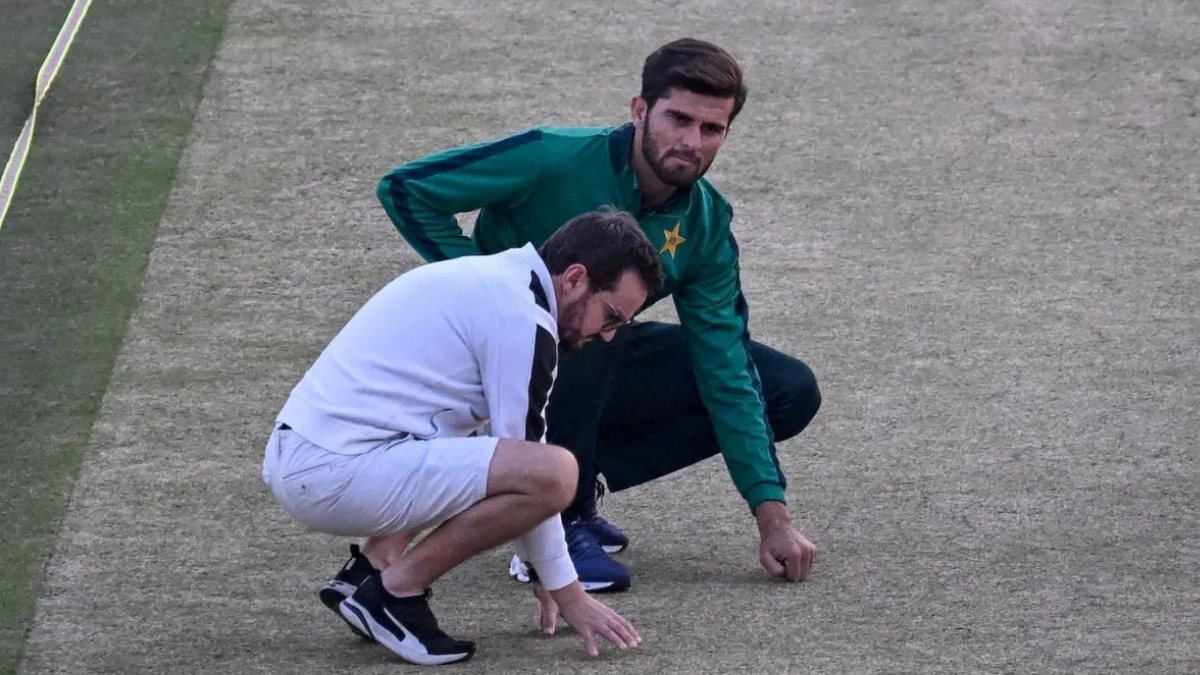
The Pakistan Cricket Board (PCB) has initiated a calibrated approach toward the 2027 ODI World Cup by utilizing diverse home conditions. Head coach Mike Hesson recently countered critics who argued that spin-friendly pitches in Rawalpindi hinder long-term preparation. He emphasized that the upcoming tournament, hosted by South Africa, Zimbabwe, and Namibia, requires a multifaceted tactical baseline rather than a singular focus on pace.
Pakistan’s Strategic Calibration for the 2027 ODI World Cup
Hesson rejected the notion that South African conditions are exclusively fast and bouncy. Consequently, he pointed to Pakistan’s historical performance in Paarl, where spin played a decisive role in the outcome. The coaching staff is currently executing an 18-month research phase to ensure the squad can adapt to varying topographies across the African continent. This disciplined methodology prioritizes versatility over conventional training myths.
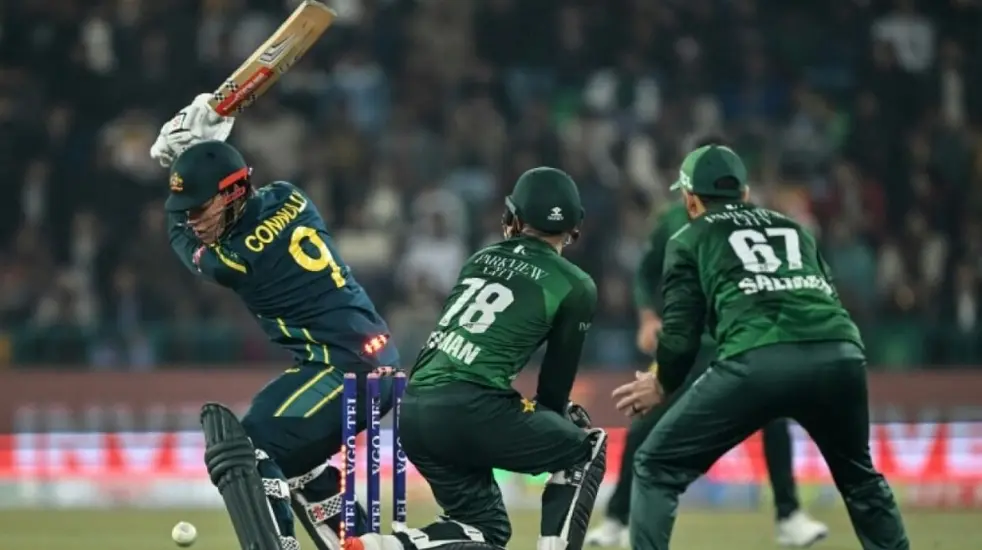
The recent victory against Australia served as a practical application of this high-precision strategy. Debutant Arafat Minhas delivered a stellar performance, securing a 5-wicket haul as Australia was dismissed for 200. Subsequently, the batting lineup demonstrated structural stability during the chase. Babar Azam and Ghazi Ghori anchored the innings with a 127-run partnership, securing the win with 45 balls remaining.
The Translation: Deconstructing the “Bouncy Pitch” Myth
In the world of elite cricket, technical discourse often oversimplifies South African conditions as purely “fast.” However, Hesson’s strategic logic recognizes that venues in Zimbabwe and Namibia frequently offer significant assistance to slow bowlers. By training on turning tracks now, Pakistan is building a resilient squad capable of executing precision plays across diverse international environments. This is not a compromise; it is a structural optimization of our home-ground advantage.
The Socio-Economic Impact: Investing in Sporting Intelligence
For the average Pakistani citizen, a successful national team serves as a catalyst for sports tourism and expanded local brand sponsorships. Efficiency in 2027 ODI World Cup preparation ensures that national resources are not wasted on outdated training methodologies. Furthermore, aspiring athletes see a disciplined path to international success, which reinforces a meritocratic structure within our sporting institutions. This systematic growth contributes to the overall prestige of the national brand.
The Forward Path: A Momentum Shift for National Cricket
This development represents a Momentum Shift in how Pakistan approaches global tournaments. Moving away from “one-size-fits-all” pitch preparation indicates a significant move toward structural intelligence. We are no longer just playing the game; we are architecting a system-wide adaptation to global conditions. If the PCB maintains this level of strategic precision, the national side will enter the next cycle as a formidable, all-weather contender.