
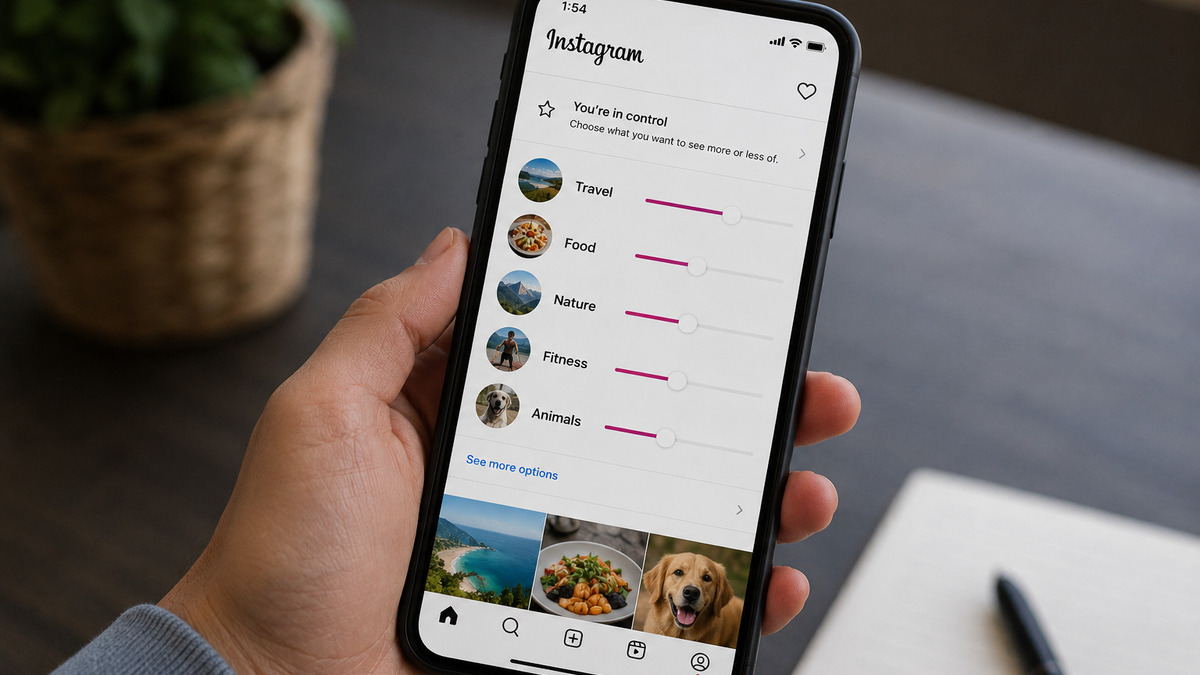
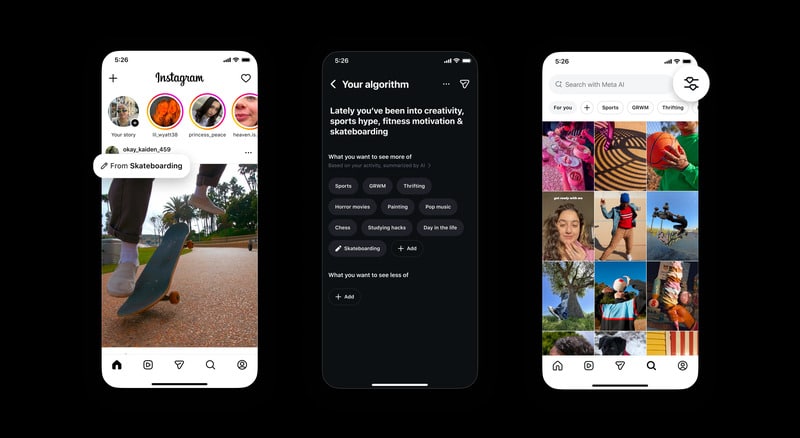
Digital environments are shifting from passive consumption to active architectural design. Instagram recently deployed expanded Instagram algorithm control features to its primary feed, empowering users to calibrate their content streams with granular precision. Previously restricted to Reels and Explore, this ‘Your Algorithm’ functionality allows citizens to dictate the specific topical clusters—ranging from educational STEM content to professional development—that populate their recommendations.
Strategic Calibration: How Instagram Algorithm Control Operates
The interface provides a diagnostic view of the interest-based topics the system associates with your profile profile. Consequently, users can actively promote specific categories, such as technical innovation or parenting humor, while systematically reducing the frequency of irrelevant content. Instagram Head Adam Mosseri indicates this shift aims to provide users with more agency, effectively turning the application into a personalized tool rather than a generic broadcast medium.
Systemic Constraints and Follower Connectivity
Despite these advancements, the Instagram algorithm control tool maintains specific structural limits. Specifically, it does not prioritize posts from followed accounts within the main feed. Research indicates that requesting “posts from people I follow” results in a zero-match diagnostic. This limitation remains a friction point for creators and businesses who require consistent reach to their established audiences. Furthermore, the platform continues to bifurcate personal updates into Stories and Direct Messages, leaving the main feed as a discovery engine.
The Situation Room: Analysis
The Translation (Clear Context)
Traditionally, social ranking systems functioned as opaque, high-entropy engines that users could not influence. By integrating Large Language Models (LLMs), Meta has converted complex data signals into “content clusters” described in plain language. This allows the system to bridge the gap between machine-learning predictions and human intent, creating a more transparent feedback loop.
The Socio-Economic Impact
For the Pakistani digital demographic, this represents a significant leap in digital literacy and productivity. Students and young professionals can now strategically isolate educational resources from high-distraction entertainment, reducing cognitive load. By optimizing the “digital baseline” of their daily consumption, users in both urban and rural centers can align their social media usage with their personal and economic advancement goals.
The Forward Path (Opinion)
This development represents a Momentum Shift. While it does not solve the visibility crisis for small business owners, it marks a transition toward “Intentional Computing.” Moving from a passive recommendation model to an active curation model is a necessary evolution for any system that seeks to remain relevant in a STEM-driven future. It is a calculated move toward system efficiency.








