
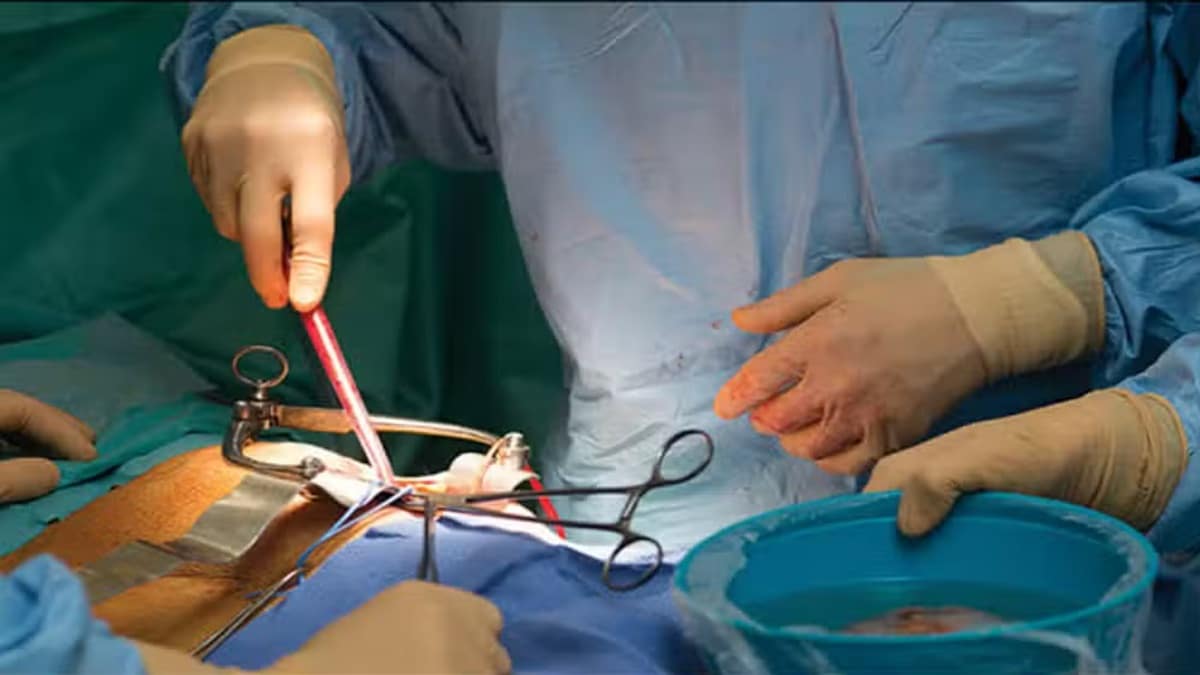
A robust national infrastructure requires precision-calibrated healthcare delivery, yet current organ transplant facilities in Lahore are struggling to meet a critical surge in patient demand. While the Chief Minister’s free transplant program represents a significant social safety net, structural bottlenecks now leave hundreds of citizens in a high-stakes waiting game for life-saving interventions. Consequently, the gap between policy intent and facility throughput has reached a tipping point for the province’s medical ecosystem.
Analyzing the Strain on Organ Transplant Facilities
The statistical baseline for the Punjab health initiative reveals a massive logistical undertaking. To date, the program has successfully facilitated 1,944 procedures. Specifically, these numbers include:
- 960 Kidney Transplants: The highest volume sector, primarily managed by PKLI and Jinnah Hospital.
- 601 Cochlear Implants: Restoring sensory function for hundreds of pediatric patients.
- 311 Liver Transplants: Complex surgeries largely centralized at the Pakistan Kidney and Liver Institute (PKLI).
- 40 Bone Marrow & 32 Corneal Transplants: Highly specialized procedures with extreme facility requirements.
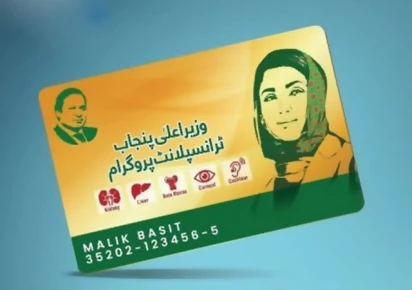
Despite these achievements, demand has fundamentally outpaced existing capacity. Families report months of delays during the evaluation and approval phases. Furthermore, the financial baseline has shifted dramatically; while the government initially allocated Rs. 2.5 billion, the actual expenditure has surged to Rs. 4.87 billion, highlighting the massive latent demand for specialized surgical care.
The Translation (Clear Context)
The current situation represents a “Supply Chain Breakdown” in the healthcare sector. While the Punjab Human Organ Transplantation Authority (PHOTA) provides the legal framework and State Life Insurance provides the capital, the physical organ transplant facilities act as the bottleneck. In precision terms, the government has funded the demand, but the industrial-scale infrastructure required to supply these complex surgeries remains limited to a handful of high-performance centers like PKLI and Lahore Children’s Hospital.

The Socio-Economic Impact
For the average Pakistani household, these delays translate into profound economic instability. When a primary breadwinner or a child faces organ failure, the “waiting period” is not just a medical delay; it is a period of lost wages, mounting secondary health costs, and psychological trauma. Specifically, for low-income families, the CM’s program is the difference between life and financial ruin. However, when the “free” service is inaccessible due to waitlists, these families often revert to unsustainable private debt to seek immediate care.
The Forward Path (Opinion)
This development represents a Stabilization Move that is currently struggling to reach a Momentum Shift. The government has correctly identified the financial catalyst needed for healthcare equity. However, without a strategic expansion of the physical baseline—meaning more specialized surgical theaters and trained transplant surgeons—the program will remain over-budget and under-delivered. To achieve true system efficiency, we must decentralize transplant capabilities beyond a few elite institutions in Lahore and integrate them into the broader provincial hospital network.








