
WhatsApp scheduled messages represent a significant structural calibration in the platform’s communication architecture. This upcoming feature allows users to compose precise text and designate a specific future delivery time. Consequently, the platform is finally closing a long-standing functional gap that competitors like Telegram have occupied for years. While the system remains in the developmental phase, recent data from TestFlight indicates that the capability will support both individual and group interactions.
Strategic Calibration: How the Mechanism Operates
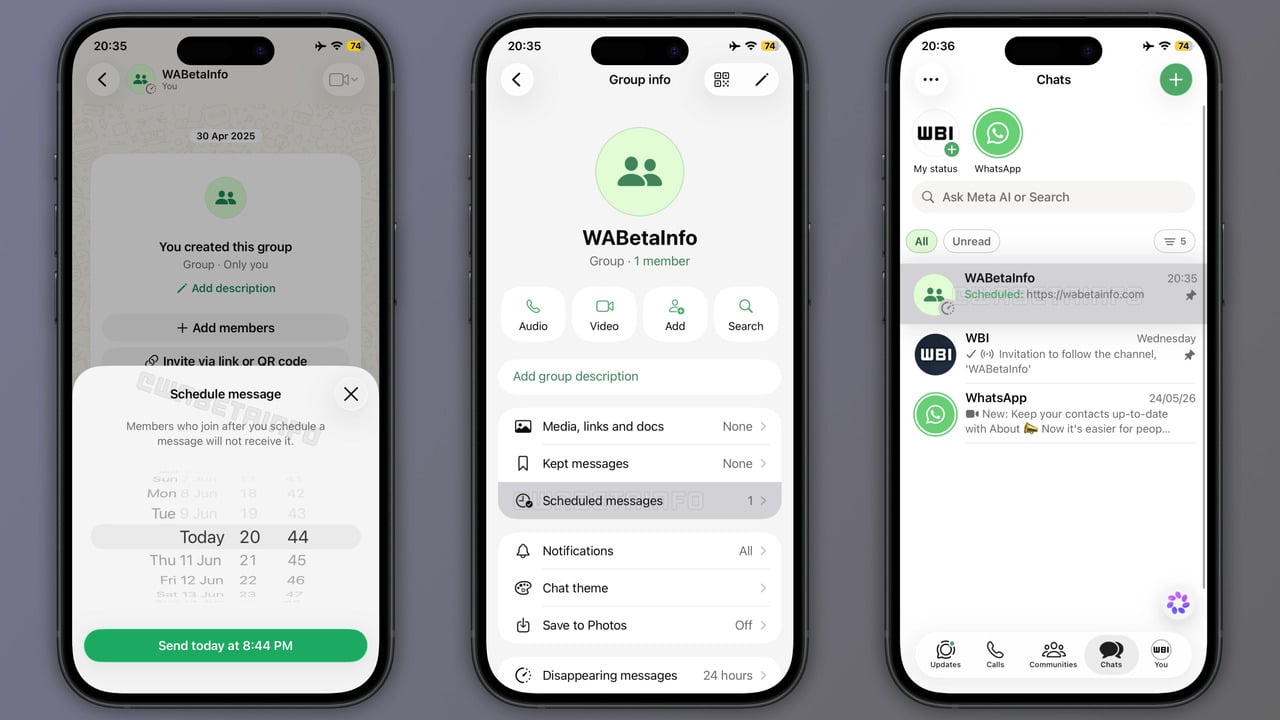
The user interface is designed for operational precision. To initiate a scheduled delivery, users must tap and hold the send icon to reveal the scheduling parameters. Furthermore, you can select a delivery window ranging from a 10-minute baseline up to two weeks in advance. This buffer provides a critical window for editorial adjustments before the message enters the final delivery queue.
The Translation (Clear Context)
Behind the interface, WhatsApp is creating a local and server-side queue system. The 10-minute delay is a strategic safety protocol, ensuring that “scheduled” does not mean “instant,” which prevents accidental triggers. By introducing a dedicated “Scheduled Messages” section, the app provides a dashboard for your future outgoing data. Effectively, this transforms WhatsApp from a real-time-only stream into a calibrated task management tool.
Group Dynamics and Structural Constraints
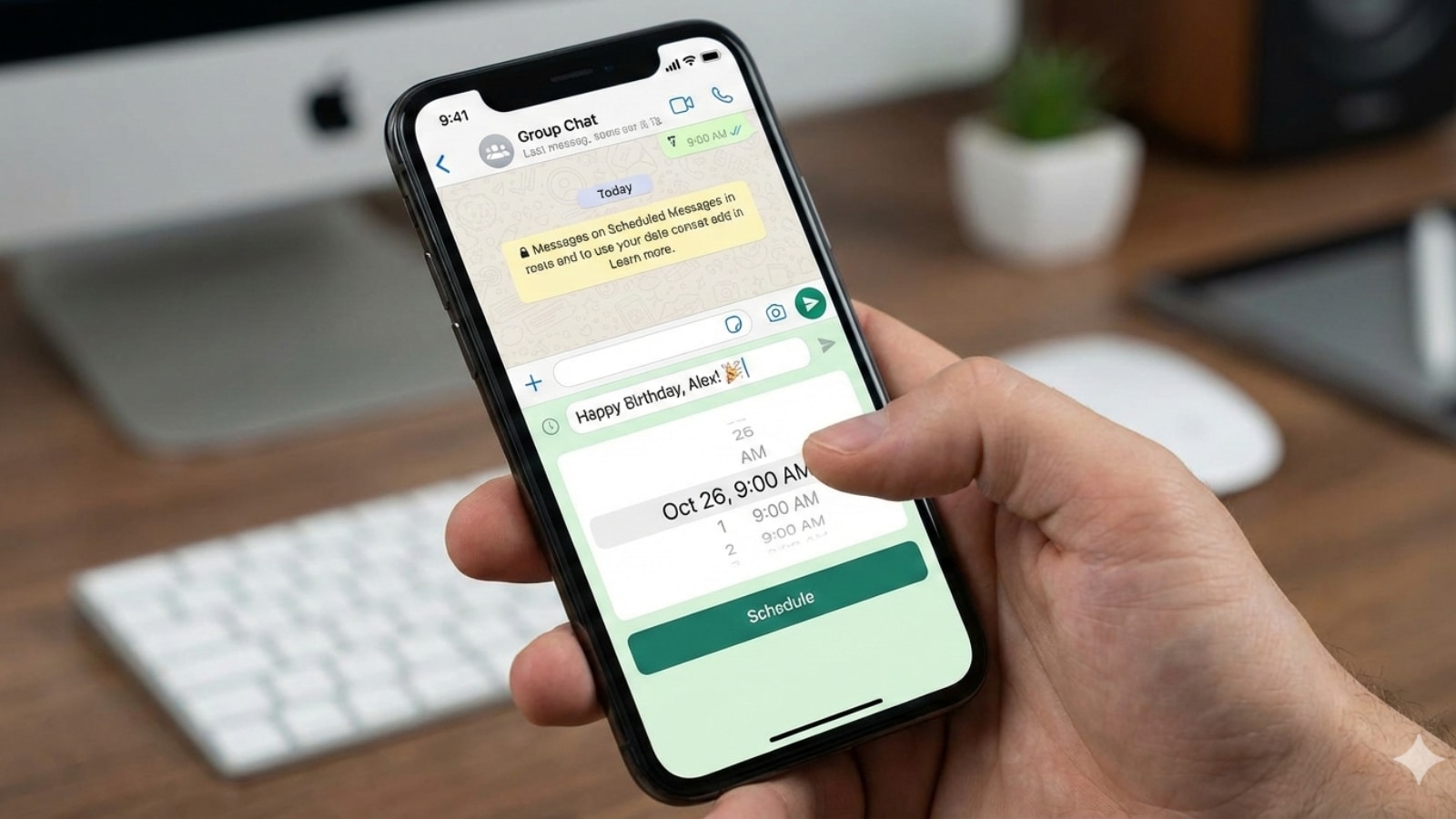
The implementation within group chats follows strict logic-based protocols. For instance, a message scheduled for a group will only reach members who were present at the time of the initial calibration. If a new member joins the group after the scheduling event, the system excludes them from that specific delivery path. This ensures that the context of the communication remains synchronized with the group’s history at the moment of creation.
The Socio-Economic Impact
For the average Pakistani citizen, WhatsApp scheduled messages will act as a productivity catalyst. In a landscape where millions work in the global gig economy, this feature allows freelancers to bridge time-zone gaps without sacrificing their sleep cycles. Students can schedule reminders for group projects, and families with members in the Middle East or Europe can ensure their messages arrive at the most opportune moments. This shift reduces the cognitive load of “remembering to send” and replaces it with automated precision.
The Forward Path (Opinion)
This development represents a Momentum Shift for Meta’s ecosystem. While some may argue it is a late reaction to industry standards, the integration into WhatsApp’s massive user base in Pakistan makes it a strategic necessity. We view this as a move toward “Systemic Efficiency.” By allowing users to control the timing of their digital footprint, WhatsApp is evolving from a simple chat app into a sophisticated personal logistics hub. It is a necessary stabilization move that finally aligns the app with modern professional requirements.








