

Precision Analysis: Deconstructing Pakistan’s Inflationary Trajectory
National economic stability functions as a calibrated system; thus, Pakistan’s recent inflation spike demands precise analytical engagement. The economy registered a significant 1.93 percent increase in its Sensitive Price Indicator (SPI) for the week concluding April 9, 2026, according to the Pakistan Bureau of Statistics. This marked a 1.4-year high, signaling persistent inflationary pressures impacting all income demographics. Notably, this pronounced Pakistan inflation spike is primarily propelled by escalating food commodity prices, a critical factor for household stability.
Consequently, the highest-income group observed the sharpest ascent, experiencing a 2.56 percent rise, while the lowest-income bracket recorded a 1.07 percent increase. Topline Securities’ analysis further corroborates this trend, identifying the current SPI reading as its highest point in 74 weeks. This extended duration underscores a structural challenge rather than a transient market fluctuation.
Critical Drivers: Food and Energy Dynamics
The weekly inflationary surge was predominantly attributed to the escalating costs of essential food items, especially vegetables and protein sources. Specifically, tomatoes recorded the steepest jump at 9.86 percent, followed by potatoes at 4.13 percent, and onions at 3.84 percent. Furthermore, protein prices also escalated; egg prices rose by 2.67 percent, while both beef and mutton became more expensive, increasing by 1.07 percent and 1.05 percent, respectively. Pulse masoor also contributed to this upward trend with a 1.08 percent rise. This Pakistan inflation spike highlights persistent economic challenges.

Out of 51 systematically monitored essential items, prices for 19 demonstrated an upward trajectory, 16 registered declines, and 16 remained static. This mixed pattern, however, aggregates into an undeniable overall upward pressure on consumer prices. While some relief was observed in specific categories—garlic fell 7.58 percent, bananas dropped 3.39 percent, and chicken declined 1.05 percent—these reductions were insufficient to counteract the substantial increases in foundational food staples. Wheat flour edged down a marginal 0.73 percent, with LPG and gur also noting minor decreases; however, these offsets offered limited systemic relief.
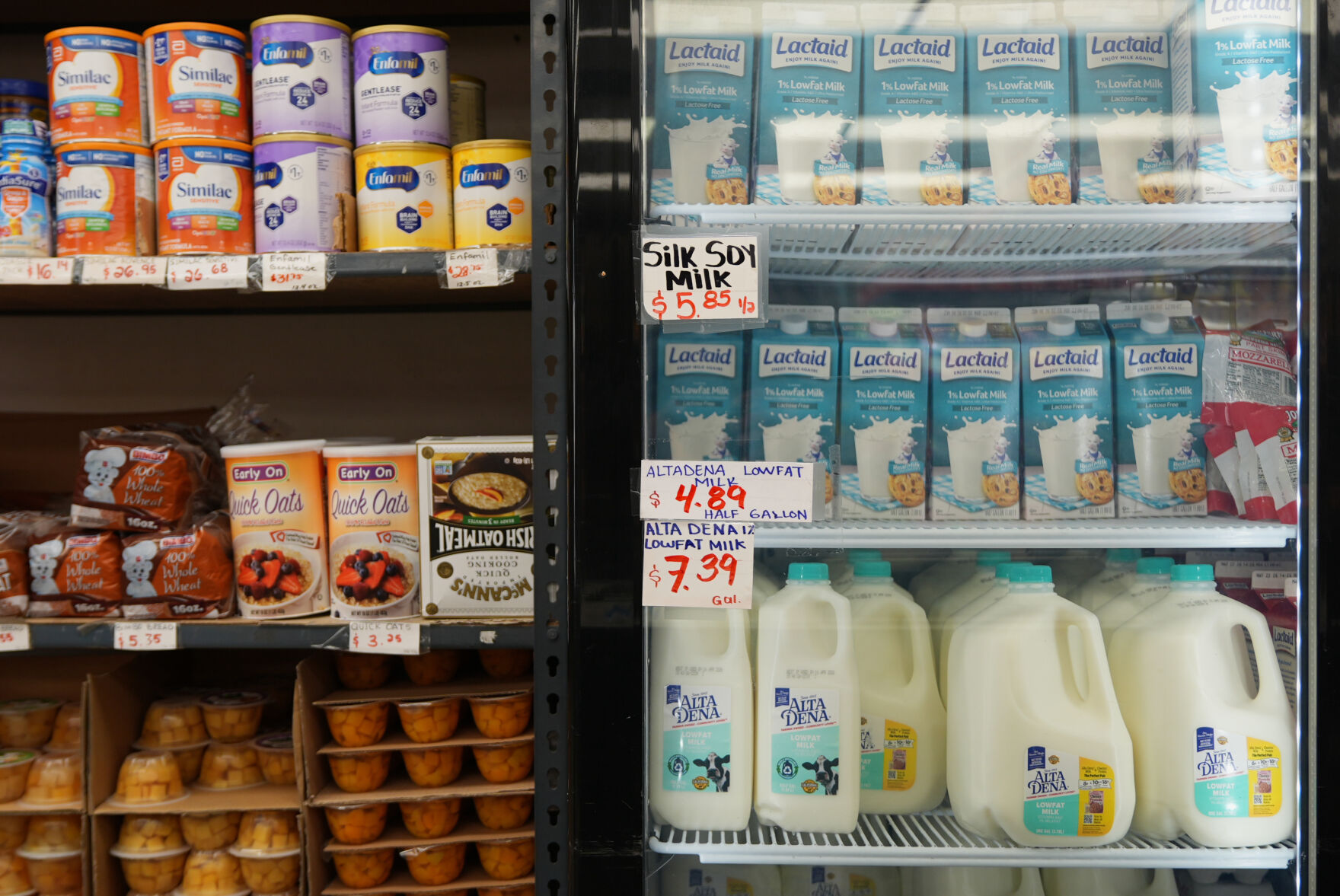
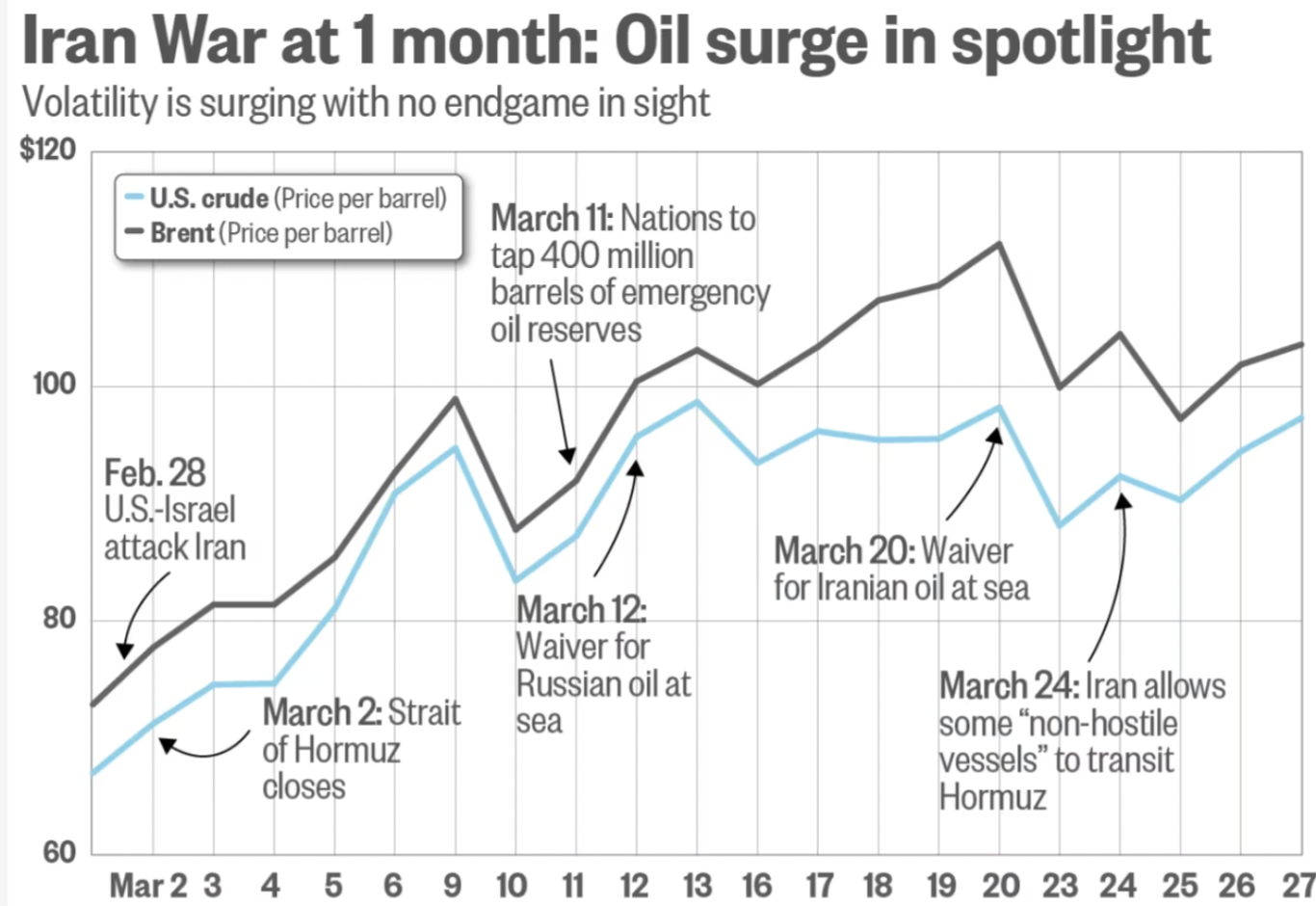
On a year-on-year basis, the inflationary burden appears significantly more acute, largely propelled by escalating energy expenditures. Gas charges have surged by over 101 percent, diesel prices similarly increased by more than 101 percent, and petrol has risen by 65.86 percent. This structural shift in energy costs critically elevates the overall cost of living. Among food categories, onions are up 37.80 percent and wheat flour 10.30 percent over the past year. Conversely, some items have declined annually, including tomatoes by 15.20 percent, potatoes by 6.32 percent, and pulse gram by 18.33 percent. Nonetheless, these localized reductions have provided only limited systemic mitigation.
The Translation: Deconstructing Price Index Dynamics for “Next Gen” Clarity
The Sensitive Price Indicator (SPI) is a precise metric, systematically tracking the weekly price fluctuations of 51 essential commodities. A 1.93 percent weekly increase signifies a rapid erosion of purchasing power for the average Pakistani household. This is not merely a statistical anomaly; it directly translates into less food on the table, higher transportation costs, and reduced discretionary income. Consequently, families must recalibrate their budgets, often sacrificing nutritional quality or essential services. Understanding this mechanism is vital for appreciating the true socio-economic challenge. Furthermore, the broad-based nature of these increases, affecting both staple foods and critical energy inputs, indicates a systemic challenge rather than isolated market events.
The Socio-Economic Impact: Calibrating Household Budgets Across Pakistan
This persistent Pakistan inflation spike fundamentally reconfigures the daily economic reality for Pakistani citizens. For students, increased transportation costs for commuting and higher food prices at university cafeterias or hostels place additional financial burdens, potentially impacting access to education. Professionals face a diminished real wage, as their salaries struggle to keep pace with the escalating cost of living Pakistan. Urban households confront elevated grocery bills and fuel expenses for daily commutes, while rural communities experience intensified pressure on food security and the prohibitive costs of transporting produce to markets, reducing farmer profitability. Moreover, the reliance on essential food items means that even marginal price increases disproportionately affect lower-income families, exacerbating existing inequalities and straining already tight household budgets Pakistan. This environment necessitates adaptive financial strategies at every level.
The Forward Path: A Momentum Shift Demanded by Data
The sustained and broad-based nature of this inflation, particularly reaching a 1.4-year high, unequivocally signals that a mere “Stabilization Move” is insufficient. This scenario demands a “Momentum Shift” – a strategic, structural recalibration of economic policy. The consistent upward pressure on fundamental necessities, exacerbated by significant year-on-year energy cost increases, points to deep-seated systemic vulnerabilities. Therefore, the strategic imperative is to implement precision-targeted fiscal interventions and robust supply-side reforms. This must stabilize critical commodity markets, optimize supply chains, and mitigate the disproportionate impact on vulnerable populations. A reactive approach risks further systemic instability; proactive, data-driven policy design is now the essential catalyst for national advancement.









