
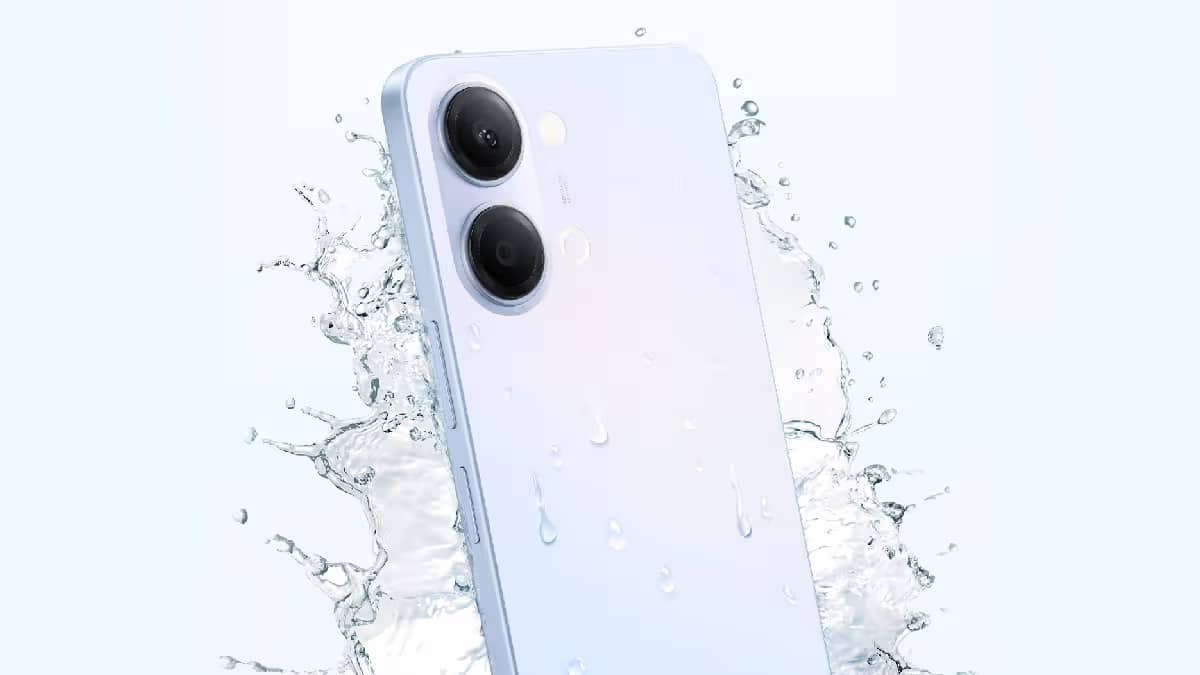
The global mobile landscape is undergoing a structural shift where value-tier devices must now offer baseline high-performance metrics. The Vivo Y6c 4G emerges as a strategic catalyst in this evolution, integrating a massive 6,500mAh battery and fast UFS storage at a calibrated price point of approximately $130. By prioritizing hardware longevity and system efficiency, Vivo seeks to redefine the expectations for affordable digital tools.
The Translation: Contextualizing Technical Precision
The Vivo Y6c 4G transcends typical budget constraints by utilizing UFS 2.2 storage instead of slower eMMC alternatives. Consequently, users experience faster app launches and smoother data transfers. The integration of an IP65 rating provides a structural baseline for durability, protecting the internal Unisoc T7225 chipset from dust and water splashes. Furthermore, the 120Hz refresh rate on the 6.74-inch display ensures a fluid visual interface, which is a significant upgrade for this price bracket.
Structural Specifications and Visual Architecture
Vivo engineered the display with TÜV Rheinland low blue light certification to prioritize user health during extended sessions. The screen reaches a precision brightness of 1,200 nits, ensuring legibility even in intense outdoor environments. Notably, the device carries an SGS five-star drop resistance certification, reinforcing its physical resilience.
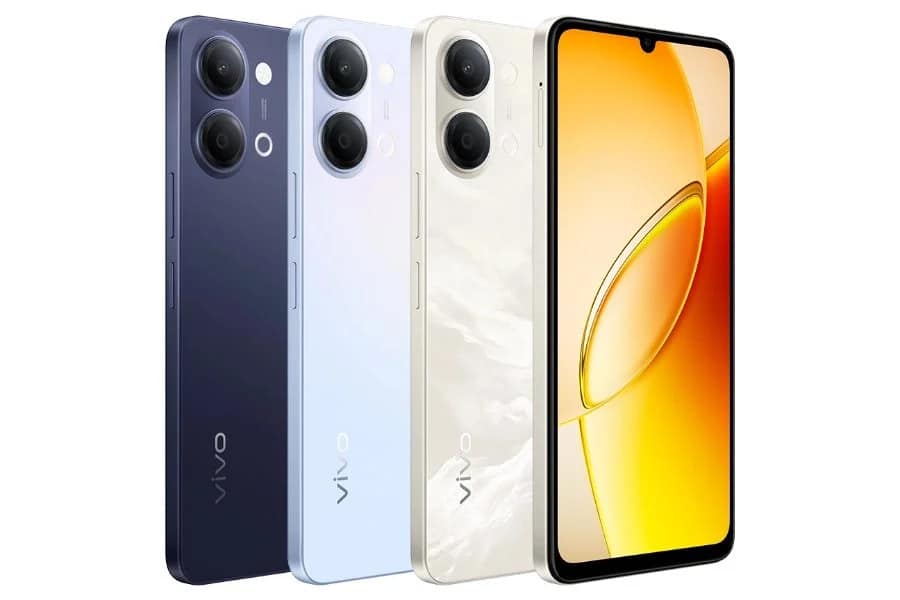
Internal performance is driven by the 12nm octa-core Unisoc T7225 processor. While the 4GB RAM and 128GB storage configuration might seem standard, the inclusion of OriginOS 6 based on Android 16 suggests a forward-thinking approach to software support. For home automation, the integrated infrared blaster can control over 3,000 appliance models, effectively turning the smartphone into a centralized command hub.
Energy Management and Optics
The 6,500mAh battery remains the centerpiece of this hardware configuration. Vivo claims the battery health will remain optimal for up to five years of regular use, a precision metric aimed at reducing electronic waste and long-term costs. Although the 15W charging speed is conservative, the capacity-to-longevity ratio is highly optimized for power-scarce regions.
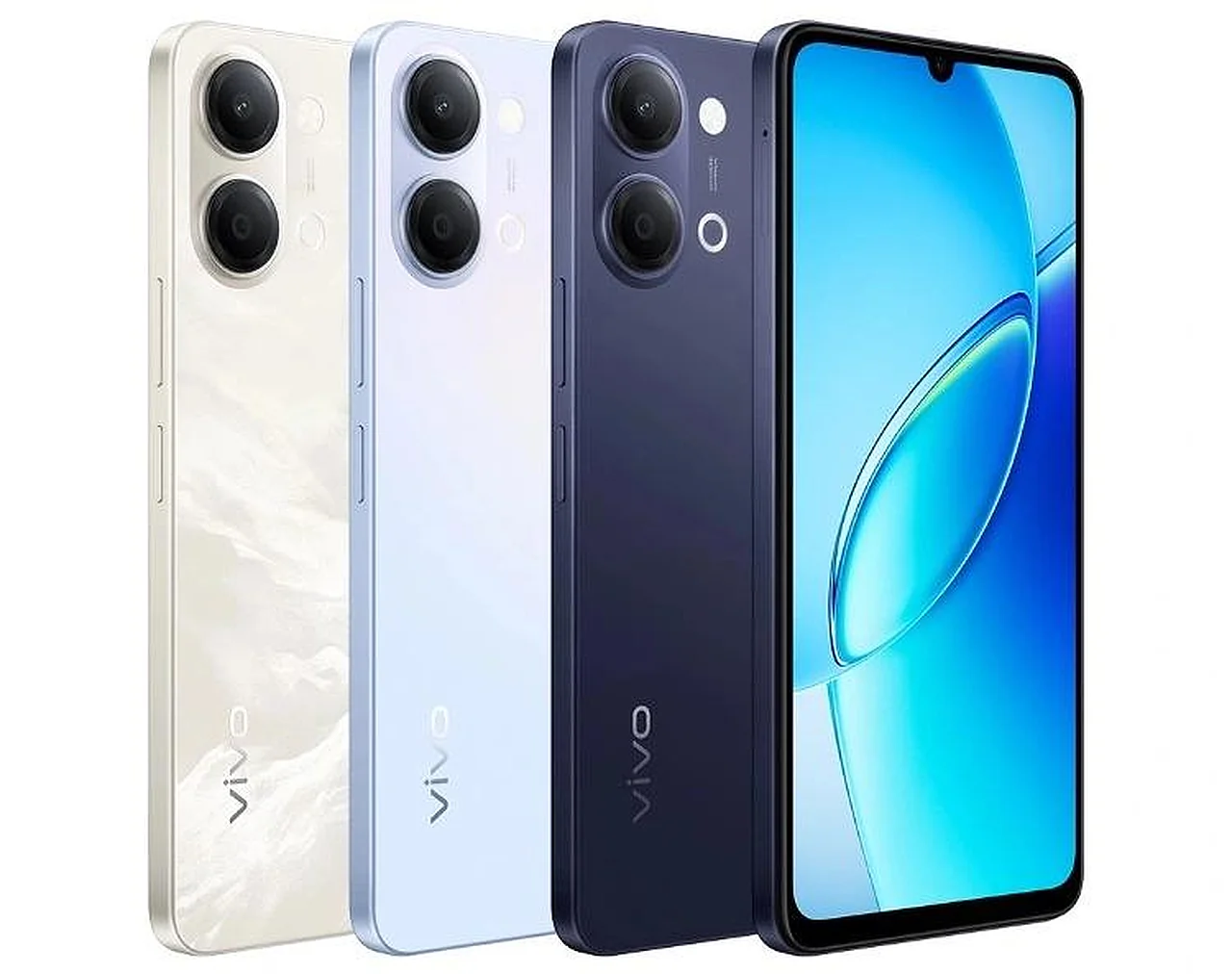
In contrast to the battery, the camera system is streamlined for essential functionality. The 8MP main rear camera and 5MP front sensor handle basic documentation and video conferencing. This deliberate choice allows Vivo to allocate manufacturing costs toward structural durability and battery life.
Socio-Economic Impact: Empowering the Pakistani Citizen
The Vivo Y6c 4G offers a significant advantage to the Pakistani workforce and student population. In a country where power outages are frequent, the 6,500mAh battery provides a reliable communication bridge that can last multiple days. The five-year battery health promise directly benefits middle-income households by extending the replacement cycle of the device. Consequently, this reduces the long-term financial burden on families while maintaining access to modern digital services like mobile banking and e-learning.
The Forward Path: An Analyst’s Perspective
The release of the Vivo Y6c 4G represents a Momentum Shift in the entry-level market. By moving away from “disposable” budget specs and toward certified drop resistance and long-term battery health, Vivo is setting a new industry baseline. This move signals a transition where endurance and structural reliability are no longer premium luxuries but essential components of the digital infrastructure.
Technical Specification Summary
| Feature | Specification Detail |
|---|---|
| Chipset | Unisoc T7225 (12nm) |
| Storage | 128GB UFS 2.2 |
| Battery | 6,500mAh with 15W Charging |
| Display | 6.74-inch 120Hz LCD (1200 nits) |
| OS | Android 16 (OriginOS 6) |
| Durability | IP65 & SGS 5-Star Drop Resistance |








