
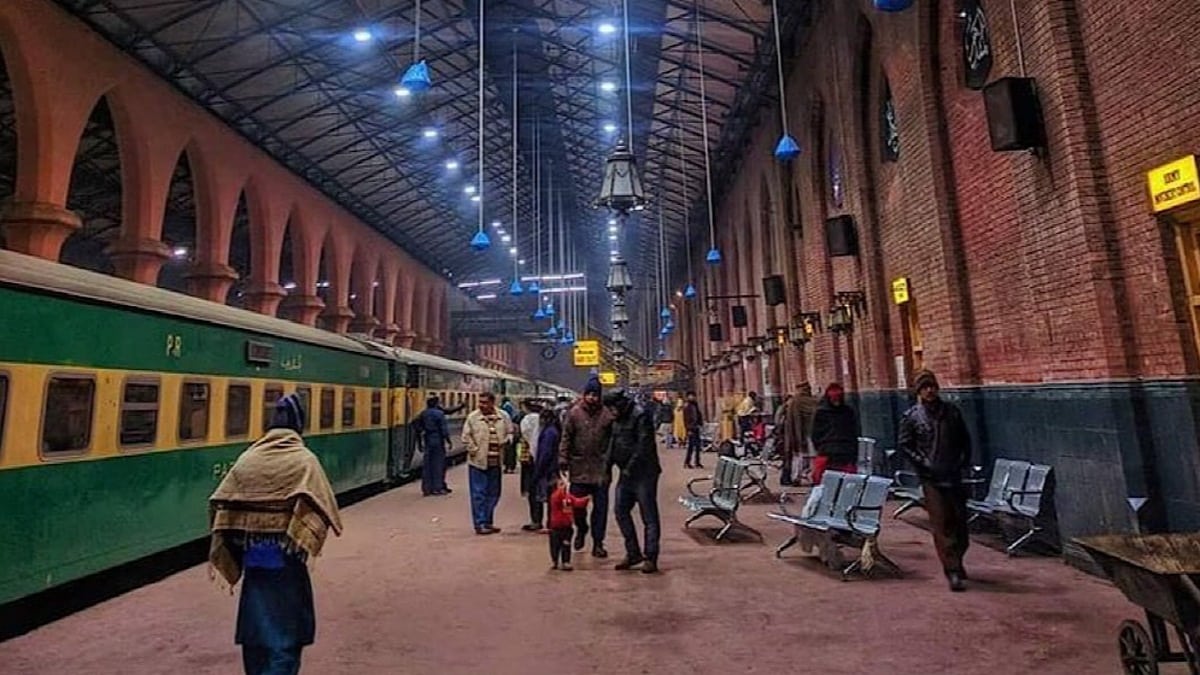
A nation’s transportation infrastructure serves as the calibrated backbone of its economic and cultural identity. Pakistan Railways has officially finalized comprehensive master plans to restore and modernize two historic railway stations in Lahore and Taxila. This strategic initiative focuses on preserving architectural heritage while simultaneously upgrading the technical baseline of passenger facilities to international standards.
Modernizing the Historic Railway Stations of Lahore and Taxila
Strategically, the Punjab government will provide essential support for these projects following directives from provincial leadership. The restoration framework prioritizes the removal of unauthorized structural additions to reveal the original architectural precision of these landmarks. Furthermore, the authorities aim to enhance landscaping, lighting, and public safety without compromising the historical integrity of the sites.
Key Upgrades for Lahore Railway Station
- Structural Restoration: Precision repairs to the heritage building and platforms.
- System Efficiency: Calibration of drainage systems and heritage-style lighting installations.
- Passenger Experience: Construction of a modern family lounge and upgraded reservation hubs.
Transforming the Taxila Gateway
In Taxila, the focus shifts toward cultural integration and adaptive reuse. The project includes the following structural enhancements:
- Heritage Displays: Showcasing Taxila’s profound cultural legacy within the station premises.
- Adaptive Reuse: Converting the defunct goods warehouse into a high-end café and restaurant.
- Public Mobility: Designing organized pedestrian walkways and dedicated parking zones.
The Translation: Adaptive Reuse and Conservation
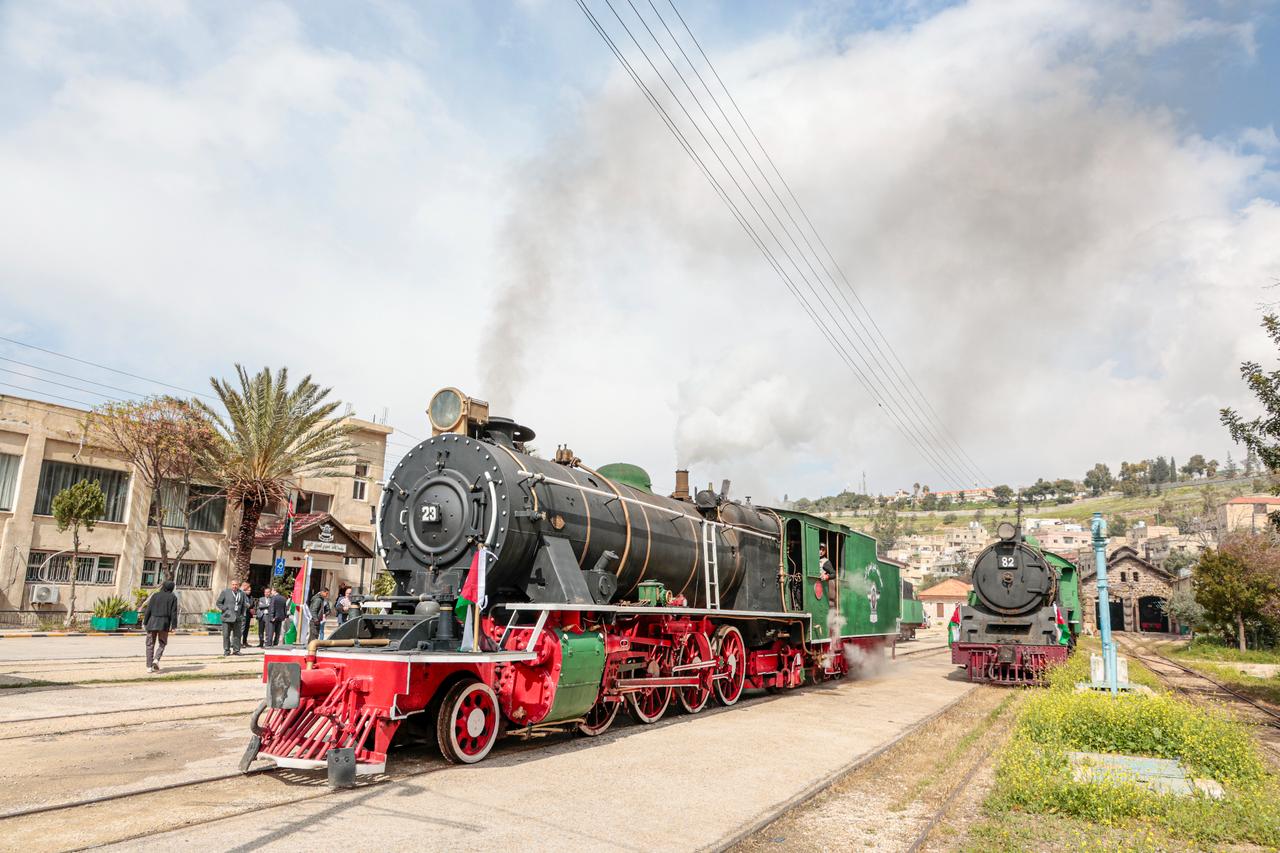
This initiative employs “Adaptive Reuse,” a professional architectural strategy where historic buildings are updated for modern utility without destroying their original character. By adhering to international heritage conservation standards, Pakistan Railways ensures that these historic railway stations serve as functional modern hubs rather than static museums. This balance between preservation and progress is essential for sustainable urban development.
The Socio-Economic Impact: Dignity and Tourism
For the average Pakistani citizen, this development translates to a significant upgrade in “Passenger Dignity.” Improved sanitation, safety, and organized spaces directly impact the daily lives of thousands of commuters. Economically, these stations will act as catalysts for the tourism sector. By transforming Taxila into a heritage-centric destination, the project creates new localized revenue streams and job opportunities in the hospitality and service industries.
The Forward Path: A Strategic Momentum Shift
The “Forward Path” for Pakistan Railways represents a clear Momentum Shift. Moving beyond mere survival-mode maintenance, the department is now targeting structural modernization and aesthetic excellence. Consequently, this calibrated approach to infrastructure could redefine the railway’s role in Pakistan’s digital and physical connectivity landscape. It is a vital step toward a more efficient and pride-worthy national transit system.








