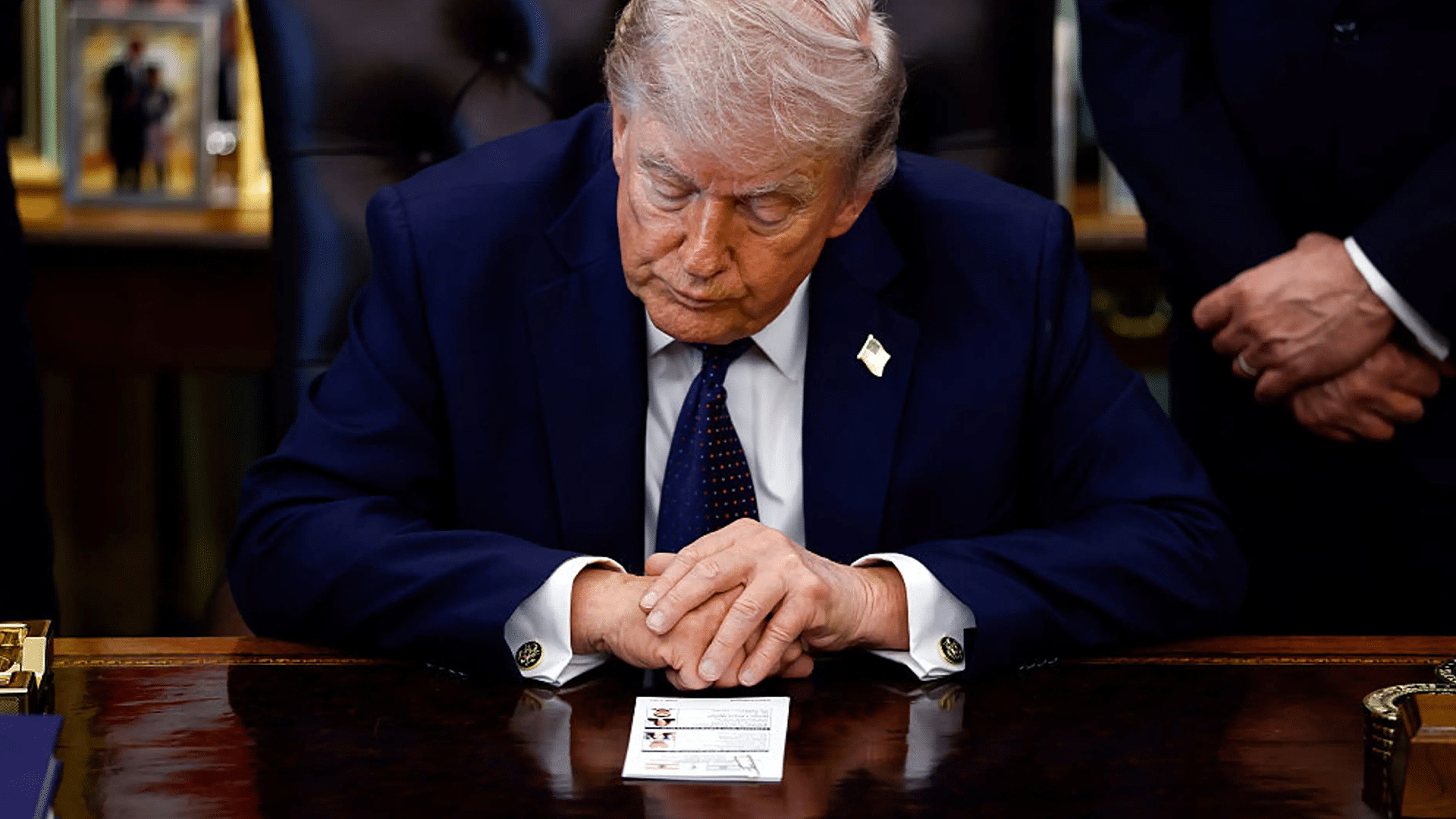
The proposed US-Iran peace framework represents a calibrated shift in Middle Eastern geopolitics, potentially redirecting $300 billion into a massive reconstruction initiative. This strategic blueprint aims to neutralize long-standing maritime friction and establish a baseline for regional economic recovery through a multi-lateral international investment fund. Consequently, the deal hinges on a temporary two-month truce mechanism designed to facilitate broader long-term negotiations.
Analyzing the US-Iran Peace Framework Mechanics
According to leaked details, the initiative functions as a structural settlement arrangement rather than direct reparations. The United States would facilitate this fund to catalyze Iranian reconstruction in exchange for comprehensive security concessions. Furthermore, the draft outlines a significant military recalibration in the Gulf region.
- Military Withdrawal: US forces would strategically exit areas surrounding Iran to reduce tactical friction.
- Maritime De-escalation: The US Navy would halt blockade operations near the Strait of Hormuz.
- Shipping Restoration: Iran must restore commercial shipping traffic to pre-war levels within 30 days.
- Shared Oversight: Responsibility for ship routing in the Strait would transfer to Iran and Oman.
The Translation: Contextual Clarity
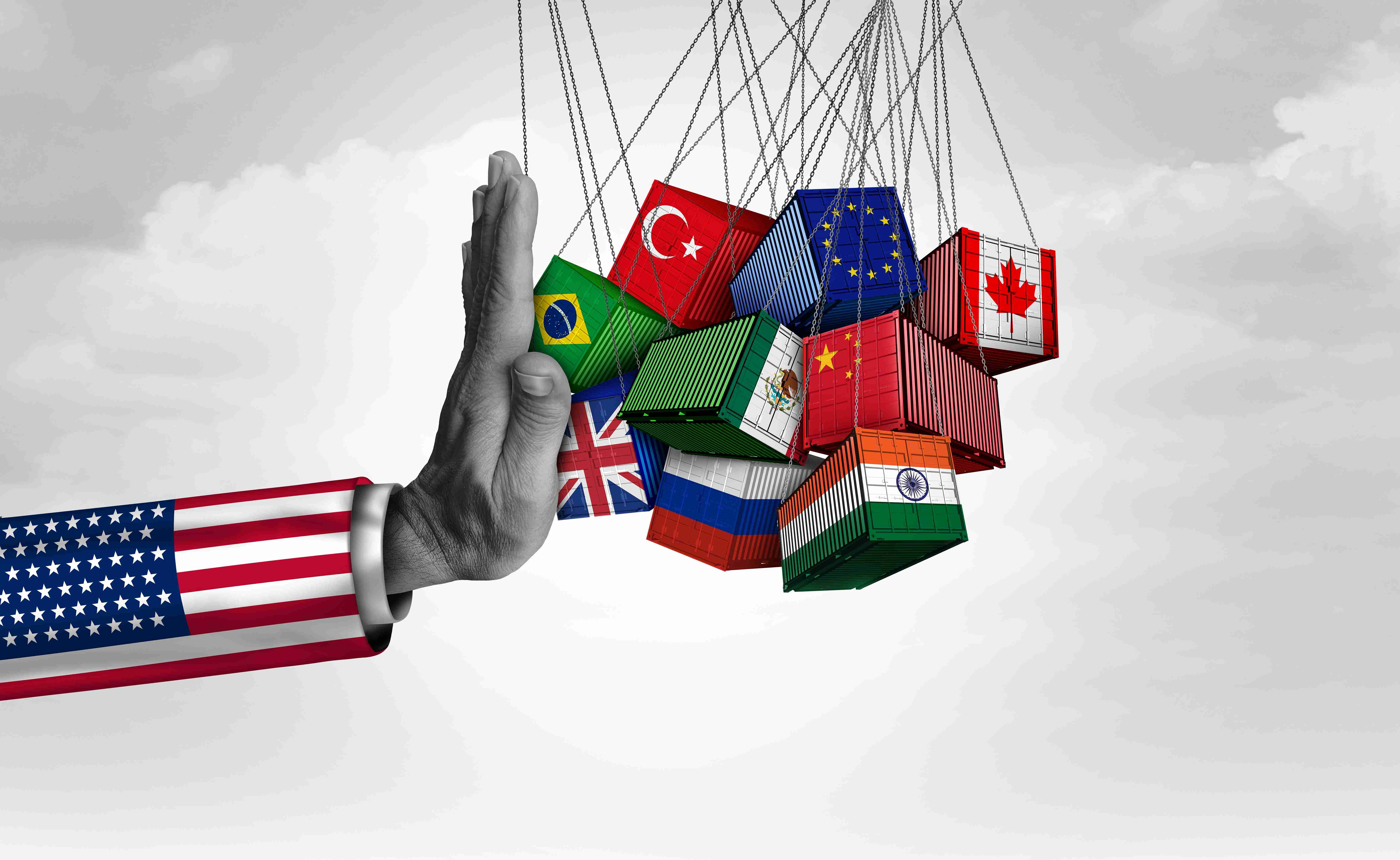
In “Next Gen” terms, this framework serves as a geopolitical circuit breaker. Instead of traditional aid, the $300 billion functions as a “performance-based” investment fund. The logic is simple: economic incentives are being utilized to replace military leverage. By shifting the control of the Strait of Hormuz to regional players like Oman and Iran, the framework attempts to create a local accountability structure that bypasses direct Western military intervention. This transition aims to stabilize global energy prices by ensuring a predictable flow of maritime trade within the US-Iran peace framework.
The Socio-Economic Impact: What it Means for Pakistan
For the average Pakistani citizen, this development is a critical catalyst for economic stability. As a neighboring nation, any de-escalation in the Gulf directly translates to lower freight costs and more stable petroleum prices at local pumps. Furthermore, a stabilized Iran opens the door for regional energy projects, such as pipelines, which have been stalled by sanctions. For professionals and students, this “Momentum Shift” suggests a more predictable regional security environment, fostering better trade routes and potential job growth in the logistics and energy sectors across South Asia.

The Forward Path: Strategic Opinion
This development represents a clear Momentum Shift. While the 60-day truce is a temporary stabilization move, the inclusion of a $300 billion economic pillar suggests a structural desire to move beyond “managed conflict.” However, the success of this blueprint depends entirely on precision execution. If the United Nations Security Council ratifies this as a binding resolution, we are witnessing the architectural foundation of a new Middle Eastern security architecture. It is a high-stakes gamble on economic diplomacy over military dominance.