

Strategic Calibration: US Interests in Pakistan’s Mineral Wealth
The global industrial landscape is undergoing a structural transformation, positioning Pakistan mining investment as a cornerstone for future tech supply chains. US Embassy officials recently confirmed that American firms are actively scouting opportunities within Pakistan’s mineral-rich terrain. These strategic interests focus on critical minerals such as copper, antimony, and tungsten. Consequently, this initiative seeks to stabilize international supply routes for high-precision industries.
American commercial interest currently spans a broad spectrum of engagement. Specifically, these ventures range from small-scale mineral trading to potential multi-million dollar investments in large-scale mining projects. Strategically, US companies are already collaborating with local license holders and small-scale operators. This engagement ensures a steady supply of minerals like antimony through purchase, testing, and export protocols into global markets.
Identifying the Catalysts: Copper, Antimony, and Tungsten
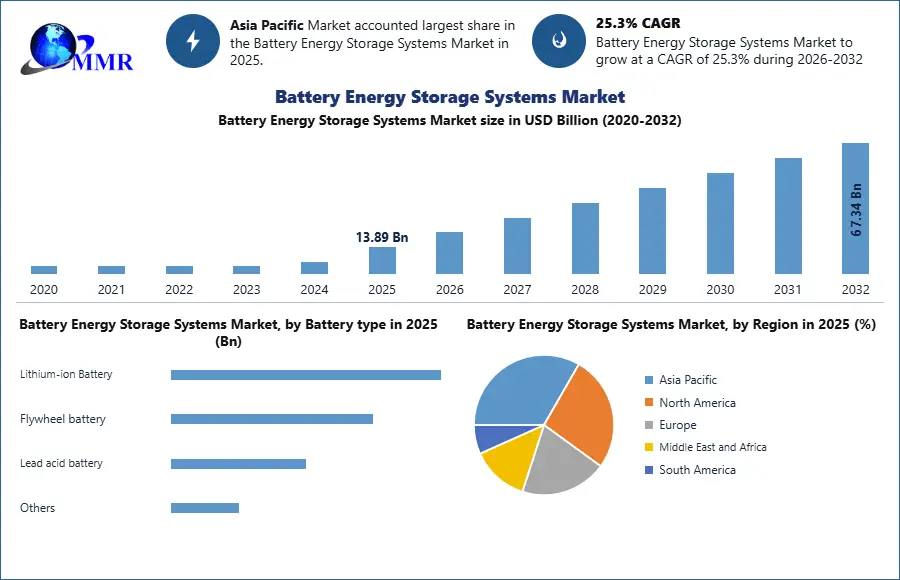
Antimony remains a primary focal point due to its essential role in advanced manufacturing. This mineral serves as a critical component in defense equipment, precision optics, and battery storage systems. Furthermore, Pakistan possesses high-grade antimony deposits that, while often found in smaller formations, offer significant purity. This geographic advantage makes the region a key partner in the US effort to diversify critical mineral supply chains.

The capital requirements for these ventures vary significantly based on the mineral type. While small-scale trading requires less initial capital, larger-scale copper projects demand substantial investment. Such projects represent a precision-calibrated move to integrate Pakistan’s raw materials into the global high-tech baseline.
The Translation: Contextualizing the Mineral Race
In “Next Gen” clarity, this development is about more than just rocks; it is about the “hardware of the future.” Antimony acts as a flame retardant in electronics and a hardening agent for lead in batteries. By securing these minerals, US firms are effectively building a firewall against supply chain disruptions. This partnership transforms Pakistan from a raw material exporter into a strategic node in the global defense and energy architecture.

The Socio-Economic Impact
How does this change the daily life of a Pakistani citizen? This influx of Pakistan mining investment serves as a catalyst for local job creation and technical skill transfer. For students and professionals in geology and engineering, it opens doors to international standards of mineral processing. For the average household, increased foreign direct investment strengthens the national currency and creates a more stable economic baseline, potentially lowering the cost of imported tech over time.
The Forward Path: Innovator’s Perspective
This development represents a Momentum Shift. Moving from speculative interest to active testing and export indicates that the structural foundation for a modern mining industry is being laid. To maximize this progress, Pakistan must now focus on regulatory transparency and value-added processing. Transitioning from exporting raw ore to semi-processed materials will maximize the economic yield for the nation, ensuring we are not just a source, but a sophisticated partner in the global tech ecosystem.








