

A strategic recalibration of Middle East defense architecture is underway as the United States fast-tracks a massive weapons package worth over $8.6 billion. This US arms sales initiative utilizes emergency authority to bypass traditional congressional oversight, reinforcing the security systems of Israel, Qatar, Kuwait, and the UAE. Consequently, this development underscores a shift toward rapid-response procurement in a volatile regional landscape.
The Mechanics of Strategic Defense Procurement
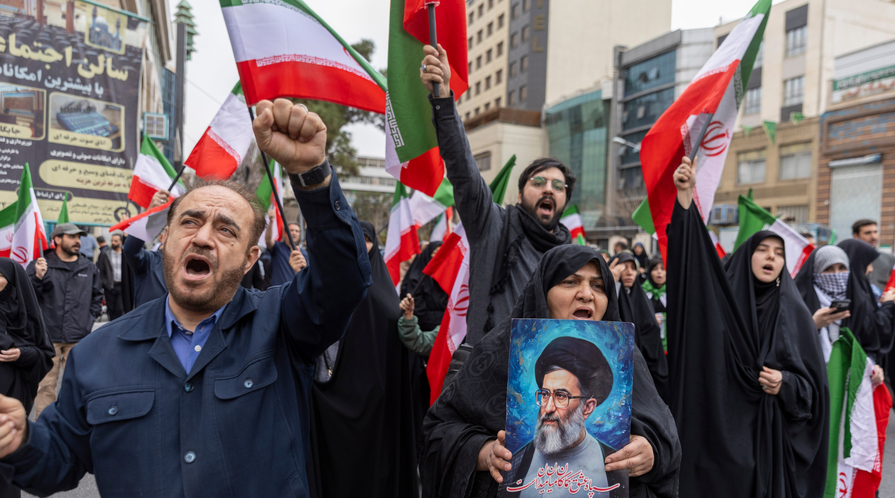
Secretary of State Marco Rubio invoked rare emergency powers to authorize these transactions immediately. By bypassing the standard 30-day congressional review period, the administration has prioritized the rapid deployment of Patriot missile systems and precision-guided munitions. Furthermore, this move follows a peace proposal from Iran, which the US leadership currently views as insufficient for long-term stabilization.
Calibrating Regional Power Balances
The arms package is precisely allocated to address specific defensive gaps. Qatar is scheduled to receive $4 billion in Patriot missile support, while Kuwait will integrate a $2.5 billion defense system. Because these nations have faced recurring drone and missile threats, the US considers these US arms sales as a vital catalyst for maintaining the regional status quo. However, the decision has sparked debate in Washington regarding the balance between executive speed and legislative oversight.
The Translation (Clear Context)
In technical terms, “emergency authority” is a legal mechanism that allows the Executive Branch to skip the debate phase of a weapon sale. The logic here is architectural: the US is reinforcing a “defensive shield” across the Persian Gulf. Instead of waiting for diplomatic consensus, the administration is prioritizing hard-power hardware to ensure that allies remain insulated from external missile threats during ongoing peace negotiations.
The Socio-Economic Impact
This development has direct implications for the Pakistani citizen and the broader regional economy. Increased militarization in the Middle East often leads to heightened volatility in global energy markets, potentially affecting local fuel prices in Pakistan. For Pakistani professionals working in the Gulf, these US arms sales represent a move toward fortified stability in their host countries, ensuring that critical infrastructure remains operational despite regional tensions.
The “Forward Path” (Opinion)
This move represents a Stabilization Move. While the volume of hardware is immense, the intent is clearly focused on maintaining the current baseline of security rather than initiating a new offensive. By bypassing Congress, the administration is signaling that regional defense readiness is non-negotiable, effectively neutralizing the leverage of Iran’s recent peace offer until more stringent terms are met. It is a calculated move to ensure that peace is negotiated from a position of strength rather than necessity.








